
Panoramic Photo Above:
Baseball History Comes Alive Now Ranked As a Top Five Website by Feedspot Among All Baseball History Websites and Blogs!

(Check out Feedspot's list of the Top 35 Baseball History websites and blogs)
Visit the Baseball History Comes Alive Home Page
Subscribe to Baseball History Comes Alive
Free Bonus for Subscribing:
Gary’s Handy Dandy World Series Reference Guide
I always love learning more about the Deadball Era, and today, Mike Janacek returns with an interesting essay on the career of one of the DBE’s best, “Colby Jack” Coombs. For a three-year period (1910-12), he was one of the best in the business. Only a serious injury kept him from fulfilling his potential. I think you’ll enjoy Mike’s essay. -GL
Back into the Deadball Era we go!
“Colby Jack” Coombs
In an era dominated by the exceptional pitchers like Christy Mathewson, Walter Johnson, and Cleveland Grover Alexander, it was always possible for pitchers to have great years but to be overlooked. This was often the case with such players like Eddie Plank who pitched in the shadows of Rube Waddell and Chief Bender.
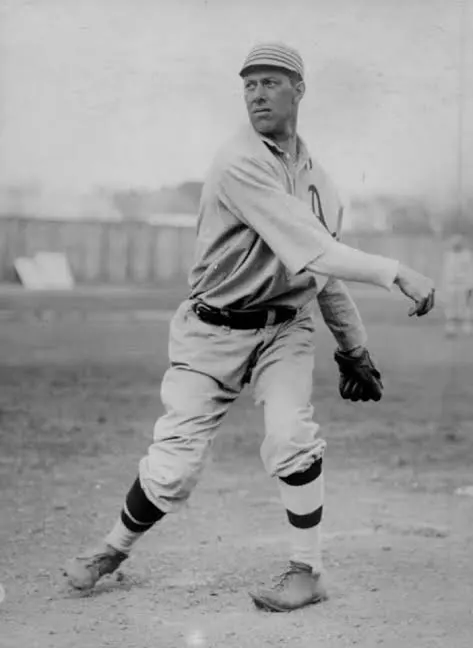
In 1910, a pitcher named Jack Coombs of the Philadelphia Athletics appeared from no where and had one of the best seasons in major league baseball history. Debuting in 1906 with Philadelphia, Jack would win 35 games over his first four years, an average of 9 games a year, nothing spectacular about that. Then in 1910 he blew the lights out.
Jack was born in Iowa, but grew up in Maine and attended Colby College where he starred in basketball, football, track, and baseball. He was the fastest sprinter in New England running the 100-yard dash in 10.2 seconds. Coombs was not only an exceptional athlete but an above average student majoring in chemistry and was accepted to MIT. However, he was approached by Connie Mack’s brother Tom and was signed to a contract.
Jack’s major league debut was a seven hit 3-0 shutout of Washington. That year on September 1, Coombs went 24 innings against the Boston Americans, giving up one run for a 4-1 win. Two days previously Jack had not made it out of the first inning.
The 1910 season started poorly, with Coombs losing his first two starts and being sent to the bullpen. A couple of weeks later, Coombs was inserted into a 3-3 game in the ninth inning and held the White Sox hitless for three innings as the A’s won in the eleventh. Having rediscovered his overhand curve ball to complement his heater, Coombs began to start regularly and ended his season with a 31-9 record leading the American League in wins. His 13 shutouts are a single season American League record and during the year he pitched eleven games in which he gave up only one run. During July and August, he was extra effective winning 18 of his 19 starts and posting a stretch of 53 consecutive scoreless innings.
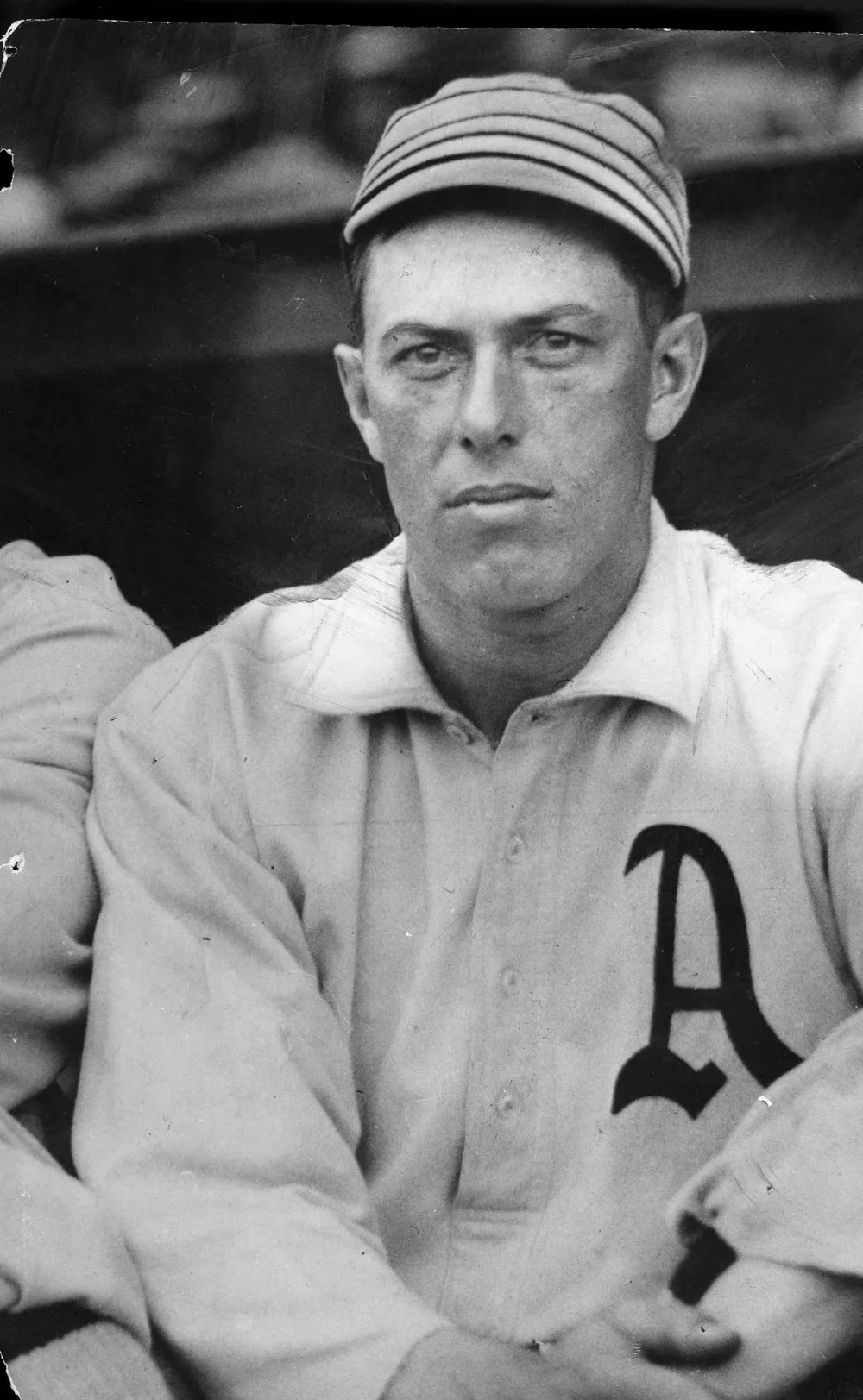
In a classic pitcher’s duel, Coombs hooked up with Ed Walsh on August 4, a game that went sixteen innings only to be called because of darkness. He struck out eighteen batters and surrendered only three hits. Nicknamed “Iron Man,” Coombs earned the moniker when he pitched ten complete games in a sixteen day stretch and finished two others. His season ERA was 1.30 slightly behind Ed Walsh and his WHIP was 1.028. The Athletics finished their remarkable season with a record of 102-48-5 winning the pennant by a 14.5 game margin over the New York Highlanders. Coombs led the staff with 31 wins, while Chief Bender contributed 23, Cy Morgan added 18, and old reliable Eddie Plank posted 16.
Facing the Chicago Cubs in the World Series, the Athletics behind Bender and Coombs beat the National League squad 4 games to 1, with Coombs starting and winning games 2, 3, and 5 over a five-day period, throwing three complete games. In fact, only Coombs and Bender actually pitched in the series. Not only did he dominant on the mound, Jack contributed to the offense going 5 for 13 at the plate.
With 1910 in the books, Coombs and the A’s came out strong again the following season with Coombs clinching the pennant on September 28 and winning 28 games for the season. The A’s bested second place Detroit by 13 and a half games. Coombs batted .319 on the year.
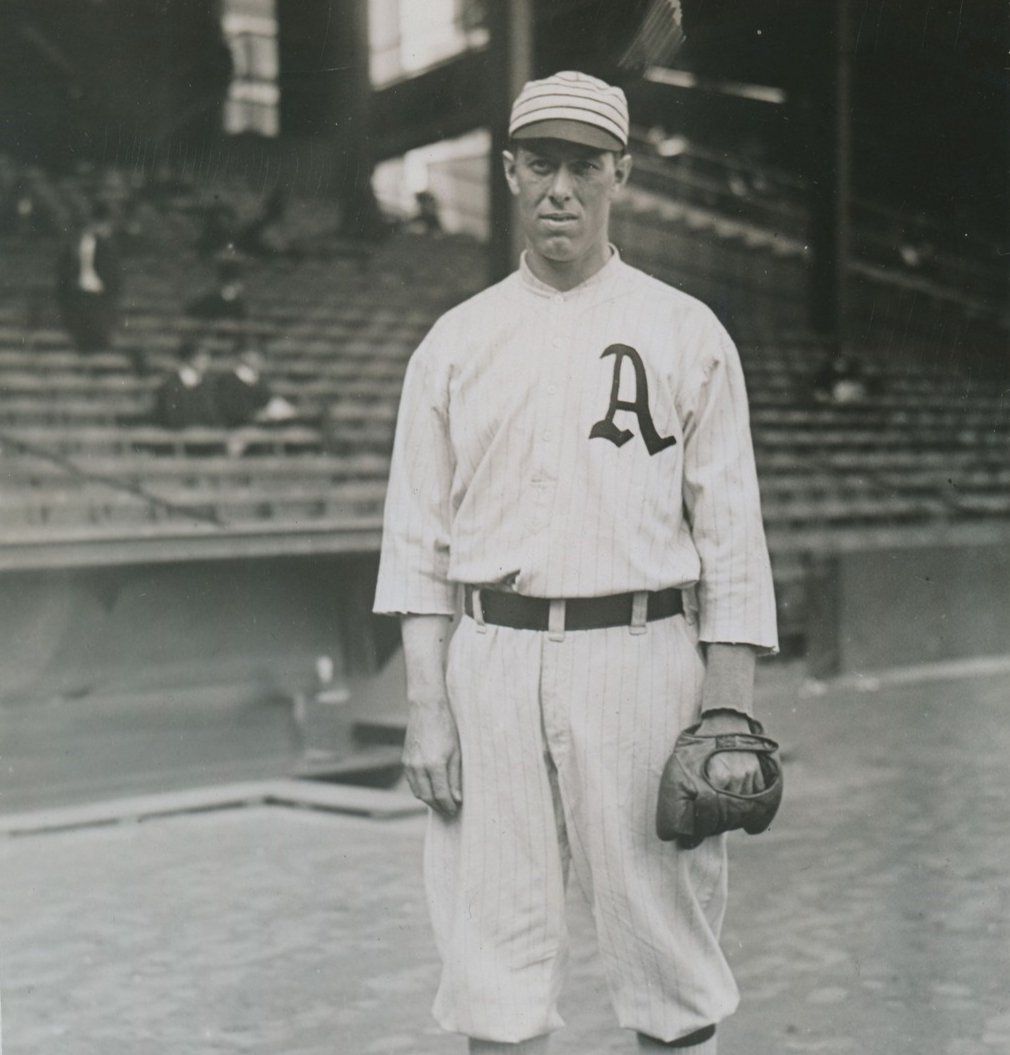
In the World Series, Coombs faced off against Christy Mathewson and the Giants in Game Three, going eleven innings, giving up two runs on three hits for the win. A week of rain delayed Game Four which Bender started and won. In Game Five, Coombs started and with two out in the ninth inning gave up two runs as the Giants tied the game. Jack had strained his groin in the sixth inning when his spikes caught on the mound during a pitch. He refused to leave the game until the tenth inning when he beat out a bunt single further aggravating the injury and was removed from the game. Plank came in for the tenth and the Giants scored a run to win their second game of the series. That night, Coombs was bed ridden with a fever. He did not pitch in the rest of the series.
The following season Coombs was the starting Opening Day pitcher then missed a month suffering from his groin injury. He still managed to win 21 games against 10 losses.
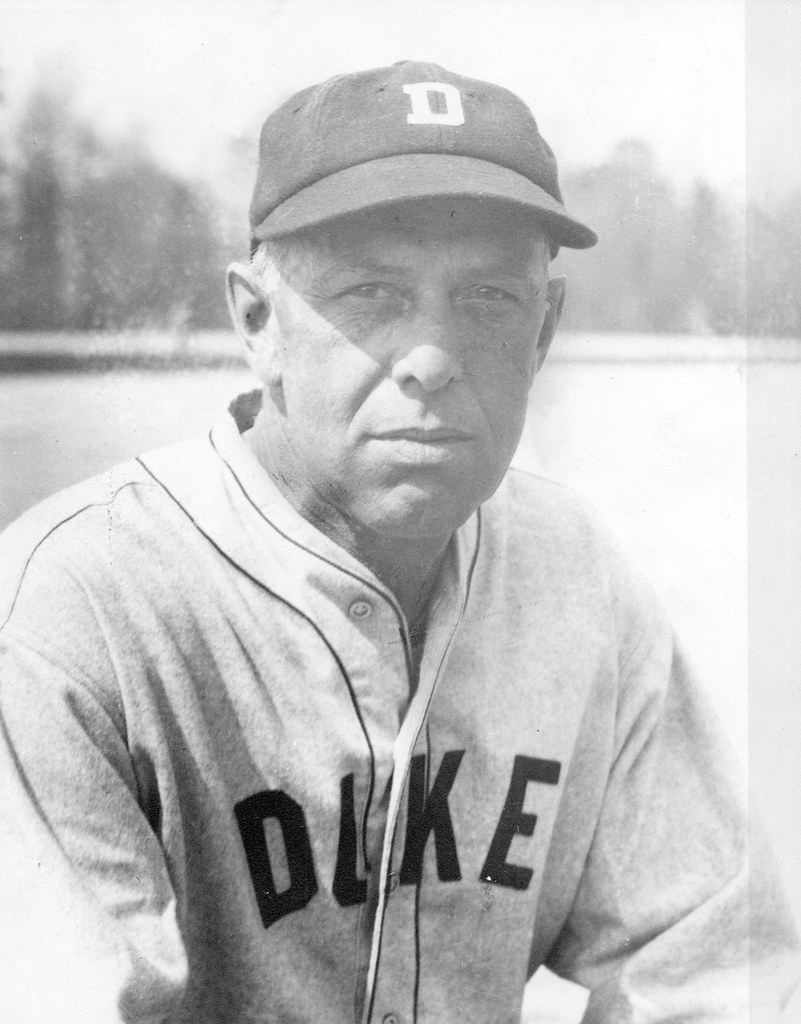
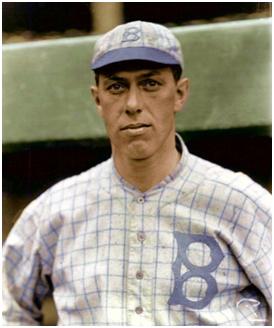
Suffering from illness in 1913-1914, Coombs appeared in only four games pitching 13.1 innings. Released by the Athletics, Jack signed with the Brooklyn Robins. After two lost seasons he won 15 games in 1915 and the following season went 13-8 with a 2.66 ERA to help propel the Robins to their first World Series appearance, winning the Robin’s only game.
Following a couple of subpar seasons, Coombs retired in 1918, although he pitched 5.1 innings in 1920 for the Detroit Tigers retiring with a career record of 158-110. 2.78 ERA, and 1052 strikeouts. In retirement Jack Coombs became a championship-winning college coach at Duke University (1921-1952) who sent many players to the major leagues. During his tenure at Duke, he authored a baseball instructional book that was used by 187 colleges, universities, and hundreds of high schools.
For a short three-year period, Jack Coombs was one of the best pitchers in major league baseball, winning more than half (80) of his games in that period and posting a winning percentage of .721. One can only speculate how differently his career may have turned out if he had not suffered from that groin injury in 1912 and its lingering effects.
Jack Coombs passed away at his home in Palestine, Texas on April 15, 1957, aged 74.
Mike Janacek
Subscribe to Baseball History Comes Alive. FREE BONUS for subscribing: Gary’s Handy Dandy World Series Reference Guide. https://wp.me/P7a04E-2he




An interesting guy. I believe he pinch hit a lot.
The baseball field at Duke is named for him.
Thanks VInce…yeah he was a good-hitting pitcher.
Good article by Mike!
Thanks Mark!
Great article. Found this while researching. John Wesley Coombs, AKA Colby Jack was my great great uncle. The home he grew up in still stands, about two mile up the same road I live on. I often pass his home, and wish I could have seen his amazing skills.
Thanks for the kind words, Mike…glad you found us. I always love it when we’re contacted by a relative of a former player. Do you have any interesting stories, anecdotes, or personal family info about him you may have picked up over the years that you can share? If so, would make for a nice follow-up essay. Let me know. {I’m sending this to your email also). Gary