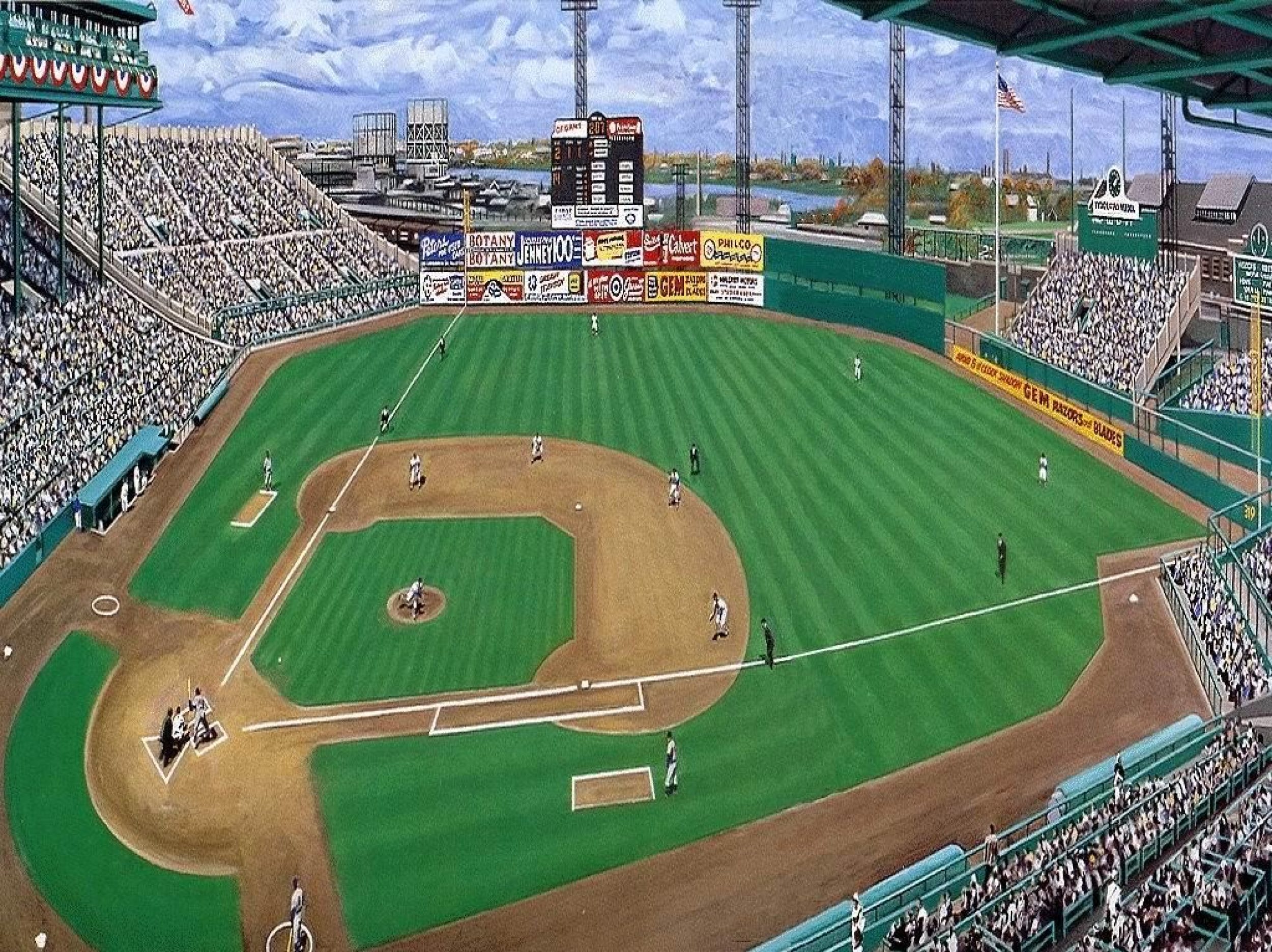
Panoramic Photo Above:
Braves Field during 1948 World Series
Baseball History Comes Alive Now Ranked As a Top Five Website by Feedspot Among All Baseball History Websites and Blogs!
(Check out Feedspot's list of the Top 35 Baseball History websites and blogs)
Visit the Baseball History Comes Alive Home Page
Subscribe to Baseball History Comes Alive
Free Bonus for Subscribing:
Gary’s Handy Dandy World Series Reference Guide
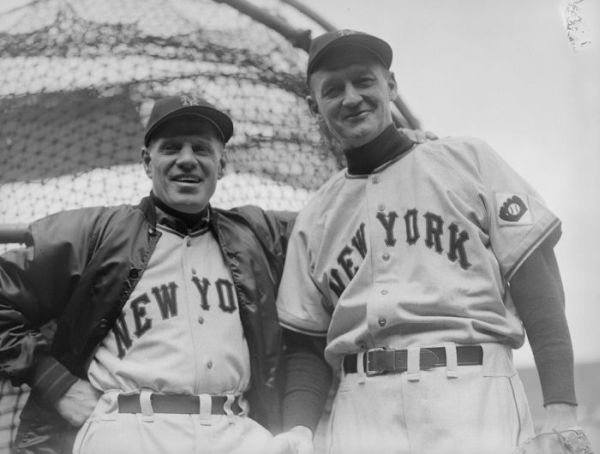
We welcome back Vince Jankoski today with another interesting essay on coaches. This time he highlights the evolution of the modern pitching coach. As I’ve said before, there’s no group in baseball more neglected than coaches. Fortunately for us, Vince is attempting to right this obvious wrong, and will soon publish a book of essays highlighting the careers of prominent coaches, which I look forward to reviewing. In the featured photo, we see Giants’ coach Frank Shellenback – who Vince credits as the first modern pitching coach – with manager Leo Durocher. -GL
We Can Thank the St. Louis Browns For the Modern Pitching Coach!
“Ray [Miller] got me to take less time between pitches. I think when you take longer, maybe you’re not confident and certainly it’s tough on the fielders behind you. [Ray] helped me tremendously.” – 1980 Cy Young Award winner Steve Stone crediting pitching coach Ray Miller for his success (1)
In the early days of baseball there were no pitching coaches. Occasionally, a coach was given the extra duty to pay some attention to the pitching staff. Notable among these was Wilbert Robinson of the early Twentieth Century New York Giants, but there was also Jack Coombs and Dan Howley of the Tigers of the 1920s. There were, however, no true pitching coaches, at least as we understand the job.
So, how did baseball evolve from no true pitching coaches in its early days to today where teams have not only pitching coaches, but assistant pitching coaches, bullpen coaches, and bullpen catchers? We can thank the St. Louis Browns.
The Browns of the 1930’s were a woeful lot. From 1930-1938 they never finished in the first division, and never had a winning record. When a team is that bad, lack of success cannot be attributed to any one aspect of the game. Nevertheless, the pitching staff got its share of the blame – deservedly so. The staff finished last in the American League in ERA every year from 1934-1938. In both 1936 and 1937, Browns pitchers pitched to an ERA of more than six earned runs per game, each time more than an earned run greater than the league average. It was a pitiful performance.
The Browns management was a realistic lot. They knew that they did not have the funds to scout and sign good pitchers. They also knew that they did not possess quality players with which to trade for good pitchers. Sooooooo, necessity being the mother of invention, they invented the modern pitching coach, and gave the job to Frank Shellenback. Maybe it was genius. Maybe it was inspiration. Maybe it was simply hoping against hope. Whatever the cause, Frank Shellenback became the first coach to focus his attention solely on pitchers. He was the first true pitching coach.
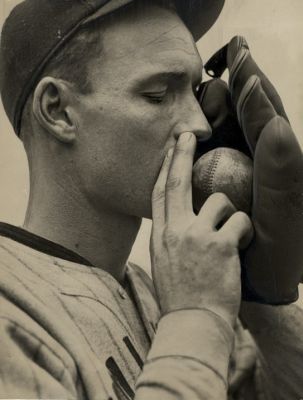
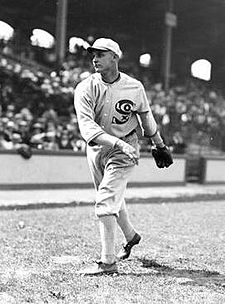
Shellenback was a spitballer. Unfortunately, he was not on a major league roster when spitball pitchers were grandfathered after the pitch was outlawed in 1920. Shellenback had been released by the Chicago White Sox the preceding year and made his way to the Pacific Coast League. The PCL also outlawed the pitch, but also grandfathered spitball pitchers then on PCL rosters, including Shellenback. Frank could continue to throw his best pitch, but he could not bring it with him to the major leagues. The result was 295 wins over eighteen years on the West Coast.
Unsurprisingly, Shellenback did not usher a miraculous turn around for the Browns staff. In his lone season with the team, they finished last, losing 111 games. They again pitched to an ERA in excess of 6.00. Their top three starters (Jack Kramer, Vern Kennedy, and Bob Harris) were a combined 21-45. Each had an ERA above 5.70.
Notwithstanding Frank’s lack of success in St. Louis, other teams began to accept the idea of a true pitching coach. After leaving the Browns, Shellenback moved on to the Red Sox and Tigers. In 1950 he landed as pitching coach for the Giants. During Frank’s six years with the Giants, he had great success. The team won two pennants, and were generally in the pennant race every year. They led the league in team ERA twice in the pennant-winning seasons of 1951 and 1954, and only once finished lower than third in team ERA. In the ’54 season the team ERA was a full 1.02 lower than the league ERA. Pitching coaches were also beginning to have success with other teams and those teams were contending for pennants. Teams more successful than the Browns took notice, and copied their approach, some – no all – with much more success than the Browns of the 1930s. Now, every team has at least one pitching coach.
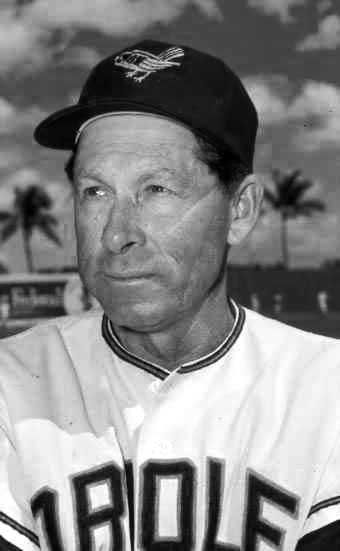
Invention of the pitching coach was not the Browns sole contribution to baseball’s pitching coach evolution. They not only invented the pitching coach. They also invented the pitching coach dynasty, although not in St. Louis.
In 1954 the Browns moved to Baltimore. By then, the job of pitching coach had been accepted by all major league teams. The Browns brought with them as their pitching coach Harry Brecheen who had ended his playing days with them the previous year after a successful career mostly with the Cardinals. Brecheen would coach Baltimore pitchers for fourteen seasons – a time when the franchise was rebuilding through young pitching. Rebuild they did. By the 1960’s the O’s featured Jim Palmer, Milt Pappas, Steve Barber, and Dave McNally as well as a host of other pitchers, some not so young (Robin Roberts) and some middle aged as major league pitchers go (Hoyt Wilhelm).
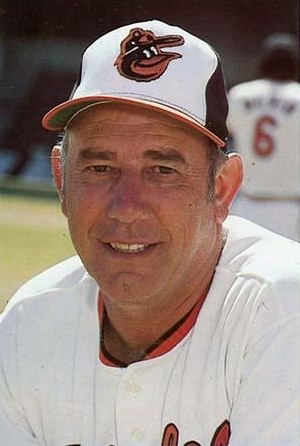
After being blamed for the arm problems plaguing his pitchers in 1967, Brecheen was replaced by George Bamberger who coached Orioles hurlers until 1977. Baltimore continued to post a superior pitching staff, boasting eighteen twenty game winners, including three in 1970 and four in 1971, during Bamberger’s tenure. There was Palmer, McNally, and also Mike Cuellar.
Bamberger was hired to manage the Milwaukee Brewers after the 1977 season. He seamlessly handed the pitching coach baton off to Ray Miller who coached O’s pitchers until mid-season 1985 when he was hired to manage the Twins. His charges included Mike Boddicker, Mike Flannagan, Dennis Martinez, and Storm Davis.
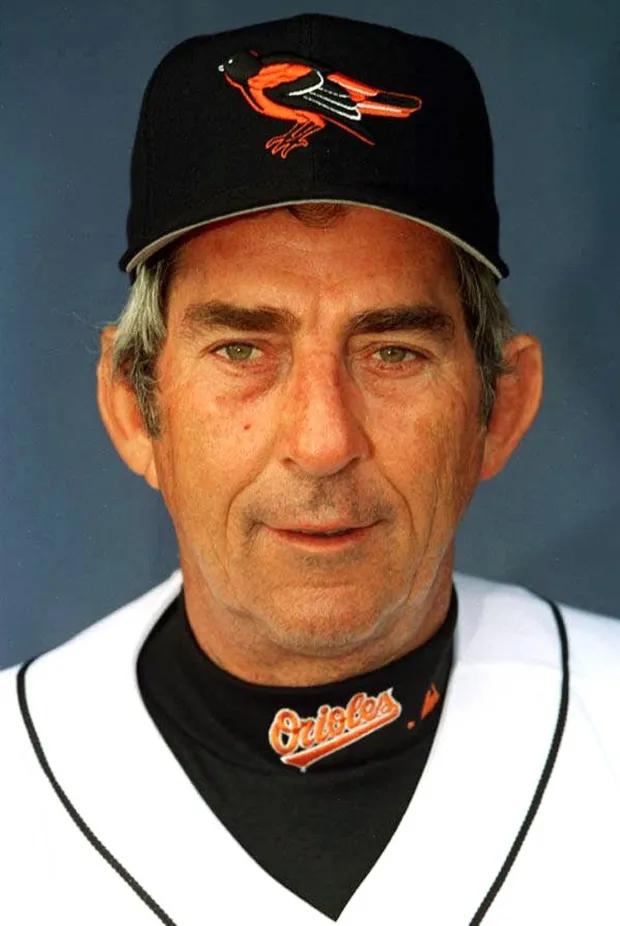
It was truly a pitching coach dynasty. In thirty-two seasons the Brecheen/Bamberger/Miller coaching trio produced six pennant winners, five division titles and three World Championships. There were six Cy Young Award winners (Palmer three times, Cuellar, Steve Stone, and Flanagan), twenty-three twenty game winners, and eight different pitchers winning twenty or more games in a season. Hall of Famer Palmer spent his entire career with first Brecheen, then Bamberger and finally Miller as his pitching coach. Two other Hall of Famers, Robin Roberts and Hoyt Wilhelm, also spent time with the dynasty. There was also Milt Pappas, Steve Barber, Mike Boddicker, Storm Davis, and Dennis Martinez, good hurlers all.
It is all due to the lowly St. Louis Browns. Hail to the Browns!!!!
Vince jankoski
Quote (1) from Steve Stone SABR biography by Joseph Wancho
Subscribe to Baseball History Comes Alive. FREE BONUS for subscribing: Gary’s Handy Dandy World Series Reference Guide. https://wp.me/P7a04E-2he




Always wondered who and when pitching coaches came about. This was a wonderful story to find out. Thank you
Thanks Shawn!