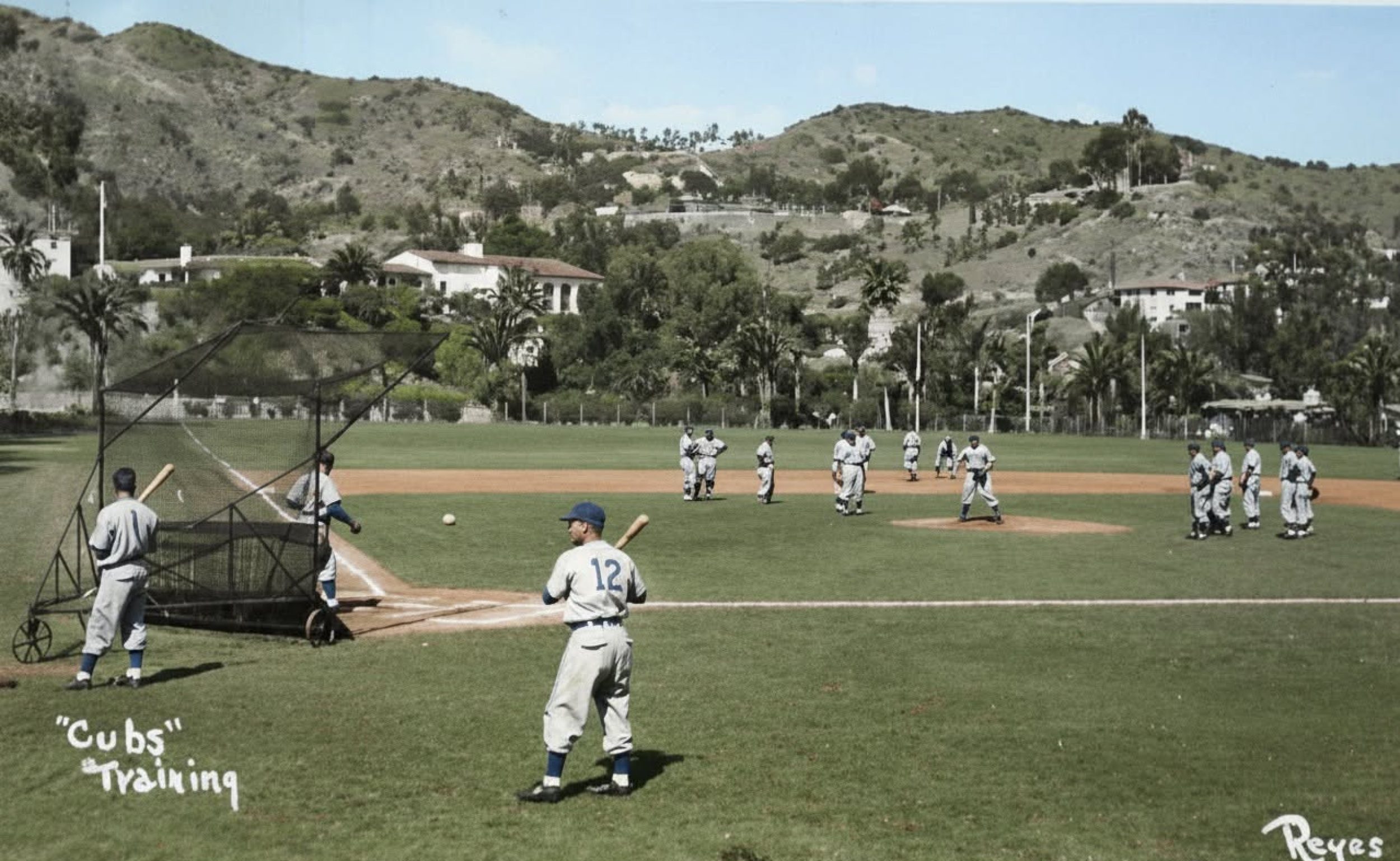
Panoramic Photo Above:
Cubs Spring Training on Catalina Island
Baseball History Comes Alive Now Ranked As a Top Five Website by Feedspot Among All Baseball History Websites and Blogs!
(Check out Feedspot's list of the Top 35 Baseball History websites and blogs)
Visit the Baseball History Comes Alive Home Page
Subscribe to Baseball History Comes Alive
Free Bonus for Subscribing:
Gary’s Handy Dandy World Series Reference Guide
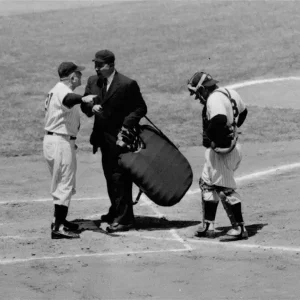
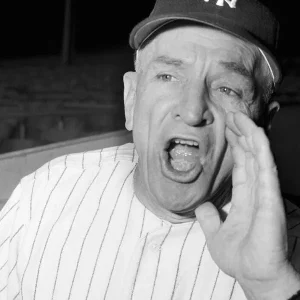
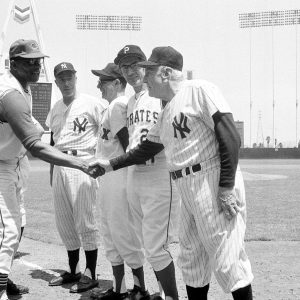
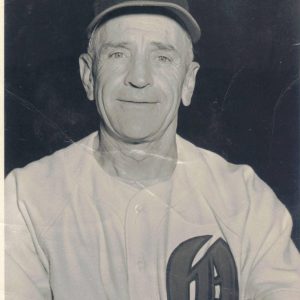
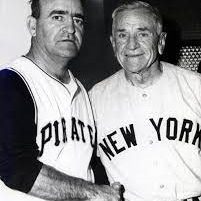
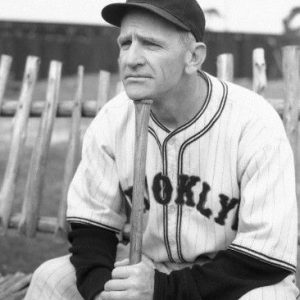
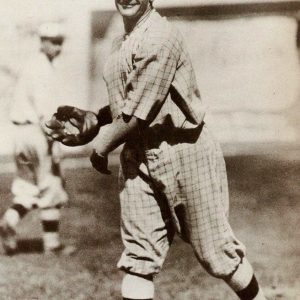
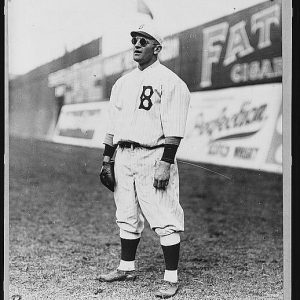
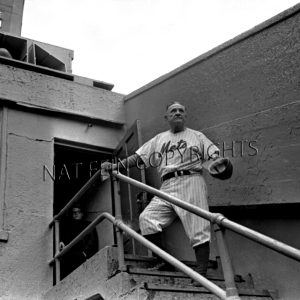
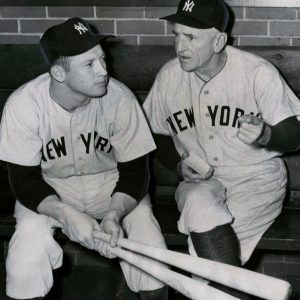
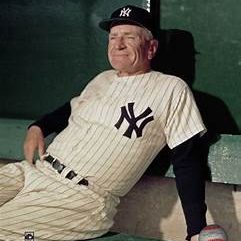
Casey Stengel Photo Gallery
Who Actually Were the Boston “Bees”?
“He was never necessarily the greatest of managers, but any time he had a ball club that had a chance to win, he’d win.” -Bill Veeck, speaking of Casey Stengel
Ninety years ago this week, Judge Fuchs, the owner of the Boston Braves, sold the team to new ownership headed by Bob Quinn, who you may remember, had been the owner of the Red Sox from 1923-1933. The new ownership thought the time was right for a new name to help change the Braves’ losing image. So they had the bright idea of conducting a survey among Boston newspaper reporters, asking them to come up with a new nickname for the franchise. The reporters selected the name “Bees.”
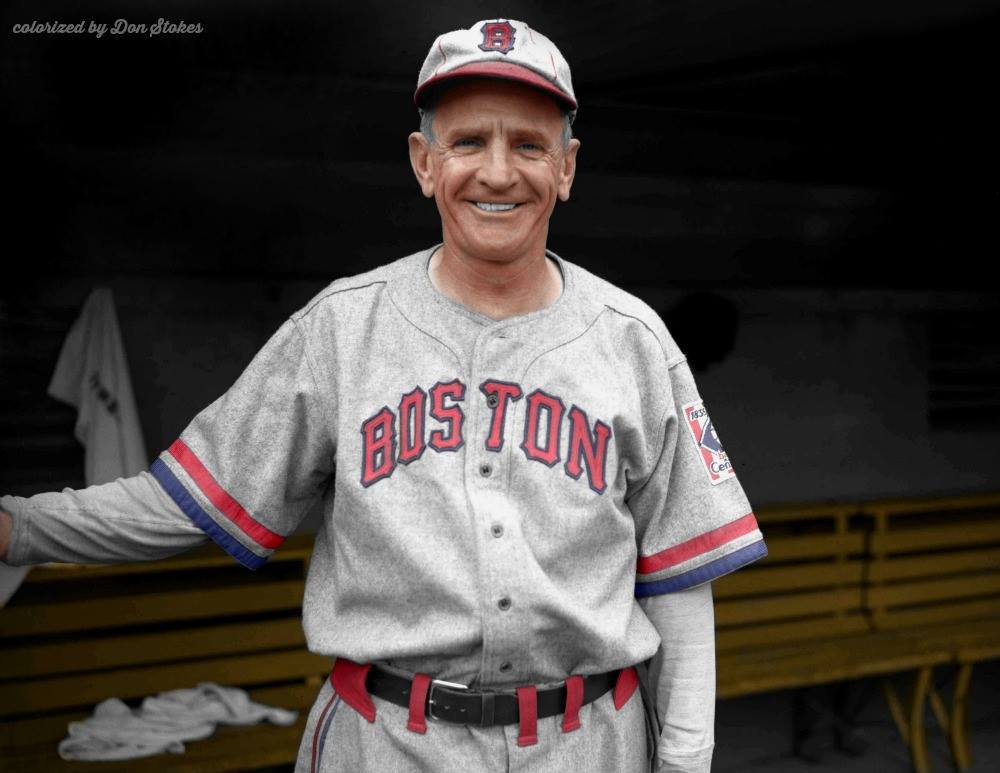
The new name did little to alter the team’s fortunes; so in 1941, after five seasons as the “Bees,” the team was sold again, this time to a group headed by Lou Perini. He had the good sense to restore the team’s original name, the “Braves.”
It’s interesting to recall how the team fared while they were known as the Bees. For the 1936 and 1937 season, they were managed by Bill McKechnie who compiled a 150-156 (.490) record over those two seasons. He was replaced for the 1938 season by Casey Stengel. Over his three season as the Bees skipper, Casey posted a 205-250 (.455) mark, which was not far off of his six-year total at the Boston helm (1938-1943), during which the team went 373-491 (.432).
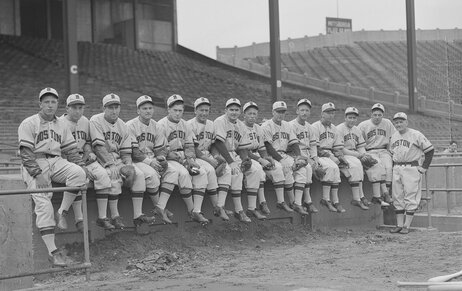
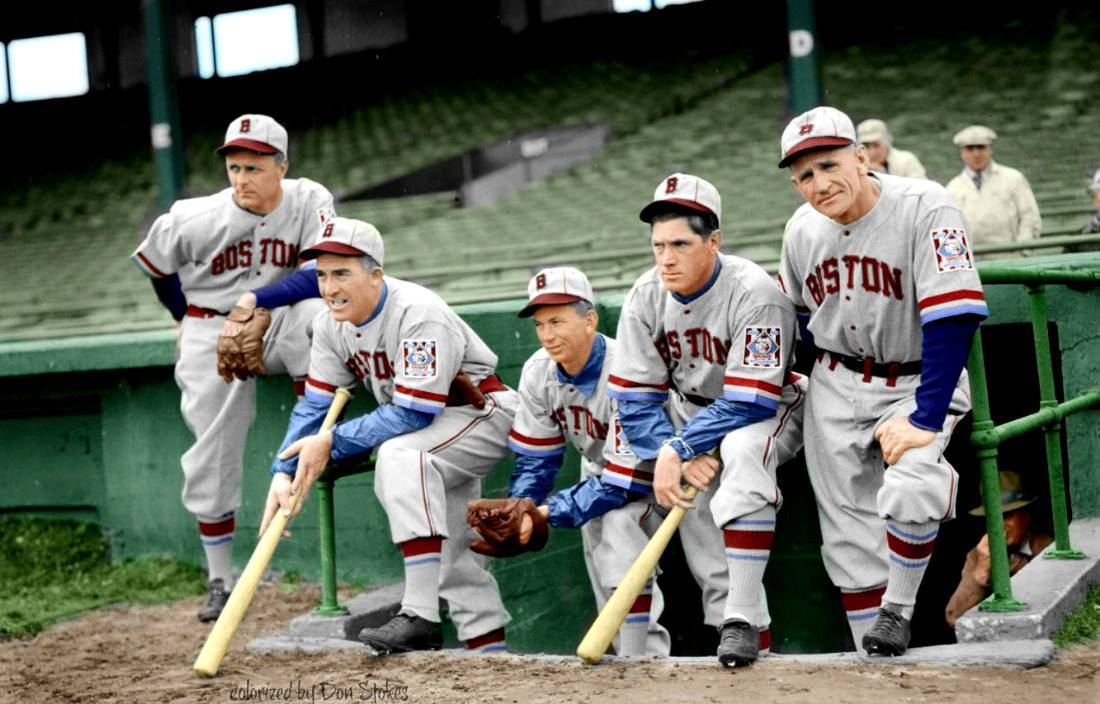
(In the featured photo above, we see Casey with his 1939 Boston Bees that went 63-88 (.417), good for seventh place in the eight-team National League. L-R: Boston Bees Jim Turner, Ralph Hodgin, Stan Andrews, Eddie Miller, Buddy Hassett, Phil Masi, Tom Earley, Jimmy Outlaw, Fred Frankhouse, Joe Sullivan, Red Barkley, Bill Weir, Art Doll, and manager Casey Stengel sitting along on the third base wall at Braves Field, 1939.)
Below is a beautiful colorization of the ’39 Bees by our resident baseball artist, Don Stokes, one of his best efforts. That team and those players are about as obscure as you can get!
Casey’s Managerial Career
We’re all aware of the remarkable success Casey had in New York with the Bronx Bombers from 1949-1960, possibly the most successful run in major league history for any manager. The “Old Perfessor” compiled an 1149-696 record (.623), winning ten pennants, and seven World Series championships, including a record five consecutive championships from 1949–1953. In World Series play, all with the Yankees, he went 37-26 (.587), with his 37 World Series wins ranking first all-time.
Hidden behind the veneer of a clown was a sharp, innovative tactician and master motivator. With his unorthodox managing style, he was well ahead of the times. Unlike many of today’s managers who rigidly obey the dictates of the analytic nerds, Casey followed no “book.” He learned to trust his baseball instincts, honed over more than a half-century in the game. Connie Mack once said of him: “I never saw a man who juggled his lineup so much and who played so many hunches so successfully.”
Not as well known is that Casey’s earlier career as a manager wasn’t always so successful. As a matter of fact, it was downright dismal. Few baseball fans remember his record before he got to New York – and with good reason! He managed some really miserable teams in the National League, compiling a less-than-stellar 581-741 record (.439) over nine seasons with the Brooklyn Dodgers and the Boston Bees (Braves). Over these nine seasons, he finished 5th twice, 6th twice, and 7th five times. Sort of makes you wonder what Yankee General Manager George Weiss was thinking when he hired Casey in October of 1948!
Stengelisms
I can’t do a write-up on Casey without a few choice Stengelisms. To start off, here’s one of my favorites:
“I came in here and a fella asked me to have a drink. I said I don’t drink. Then another fella said ‘I hear you and Joe DiMaggio aren’t speaking.’ And I said, ‘I’ll take that drink!’ “
And a few more:
- “I’ll never make the mistake of being 70 again!”
- “Sure I played, did you think I was born at the age of 70 sitting in a dugout trying to manage guys like you?”
- “Being with a woman all night never hurt no professional baseball player. It’s staying up all night looking for a woman that does him in.”
- “They say Yogi Berra is funny. Well, he has a lovely wife and family, a beautiful home, money in the bank, and he plays golf with millionaires. What’s funny about that?”
- “They say some of my stars drink whiskey, but I have found that ones who drink milkshakes don’t win many ball games.”
- “The Mets have shown me more ways to lose than I even knew existed.”
- “It’s wonderful to meet so many friends that I didn’t used to like.”
- “The key to being a good manager is keeping the people who hate me away from those who are still undecided.”
So again, I ask, what was George Weiss thinking when he handpicked a baseball lifer with little managerial success and elevated him to the plum job of Yankee skipper? Maybe you can come up with an answer!
Gary Livacari
Subscribe to Baseball History Comes Alive. FREE BONUS for subscribing: Gary’s Handy Dandy World Series Reference Guide. https://wp.me/P7a04E-2he
Information: Excerpts edited from Boston Bees Wikipedia page
Visit the Baseball History Comes Alive Home Page
https://www.facebook.com/Don-Stokes-Old-Time-Baseball-Colorizations-923346241033508




Casey managed the Oakland Oaks to the PCL pennant in 1948. Maybe the Yankees had a working agreement with them. Billy Martin and some ex-Yankees were on the Oaks. Stengel also managed the Yankees’ top farm team in Kansas City in 1945 so there was another early connection to the Yankees.
Thanks…that’s probably what George Weiss was thinking!
If there were such a thing as WAR for managers, I think you’d find that Brooklyn and Boston would have been worse off without Stengel. That would explain Stengel’s future success to a degree (the bigger factor being the wealth of Yankees talent). There was also the matter of his ability to manage players’ personalities and the media, similar to what contributed to Torre’s success decades later.
Thanks…all good points!
Stengel’s strength as a manager was selecting the right player for a given situation. In order to do that, he needed to have the right player. Stengel did with the Yanks but not with the other teams.
You’re right Vince!