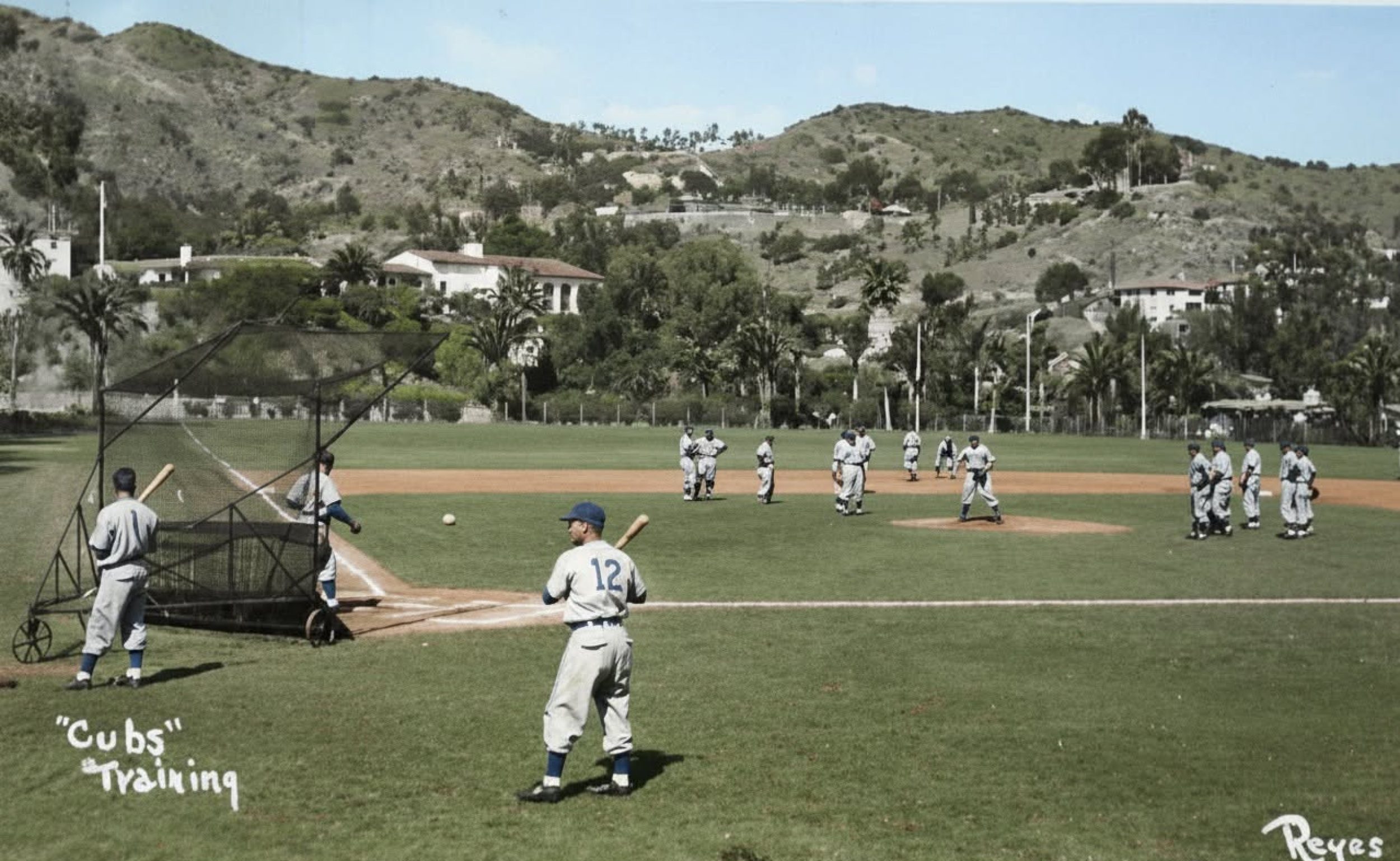
Panoramic Photo Above:
Cubs Spring Training on Catalina Island
Baseball History Comes Alive Now Ranked As a Top Five Website by Feedspot Among All Baseball History Websites and Blogs!

(Check out Feedspot's list of the Top 35 Baseball History websites and blogs)
Visit the Baseball History Comes Alive Home Page
Subscribe to Baseball History Comes Alive
Free Bonus for Subscribing:
Gary’s Handy Dandy World Series Reference Guide
When Vince Jankoski sent me an essay discussing Carlos Beltran’s qualifications for the Hall of Fame, I was hesitant to post it. I have a rule that says anything after about 1970 is too modern Baseball History Comes Alive. But when I read the essay, I discovered that Vince puts Beltran’s stats in historical perspective, comparing him to some of the great center fielders of the past. OK Vince…it’s a go! Anyway, I think you’ll enjoy Vince’s deep dive into Carlos Beltran’s merits for the Hall. Then you can make up your own mind! -GL
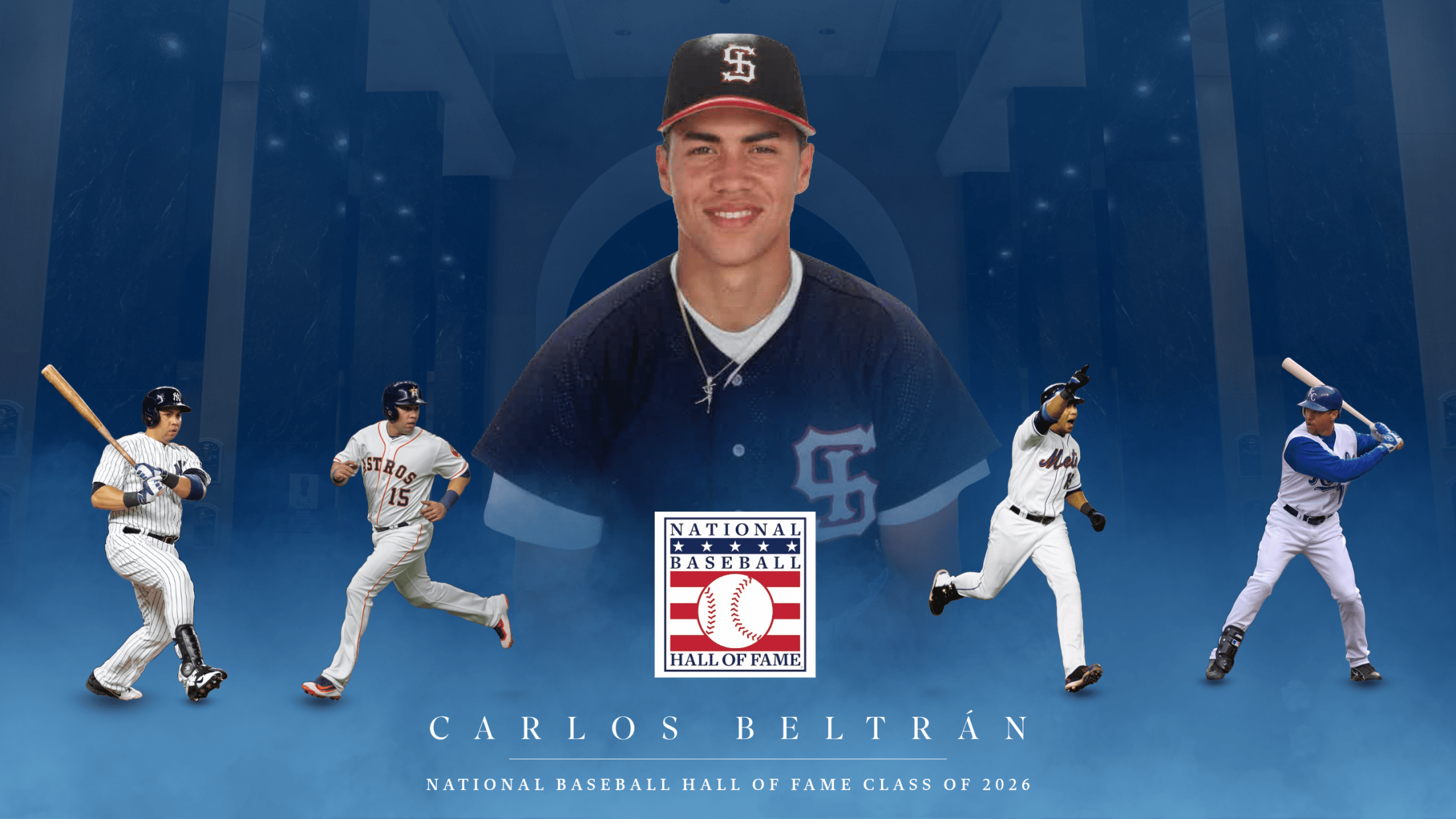
Carlos Beltran For the Hall of Fame
Yes or No?
Carlos Beltran was recently elected to the Hall of Fame with 84.2% of the ballots cast. Controversy exists because Beltran was an alleged ringleader of the 2017 Houston Astros sign stealing efforts. Whatever the truth of those allegations, any sign stealing did not affect Beltran’s career numbers and, consequently, the merits of his Hall of Fame selection. The 2017 season year was his last. He batted only .231 with an on-base percentage of .283 and a slugging average of .383, numbers all well below his average yearly productions. Cheating, even if true, did not get him into the HOF.
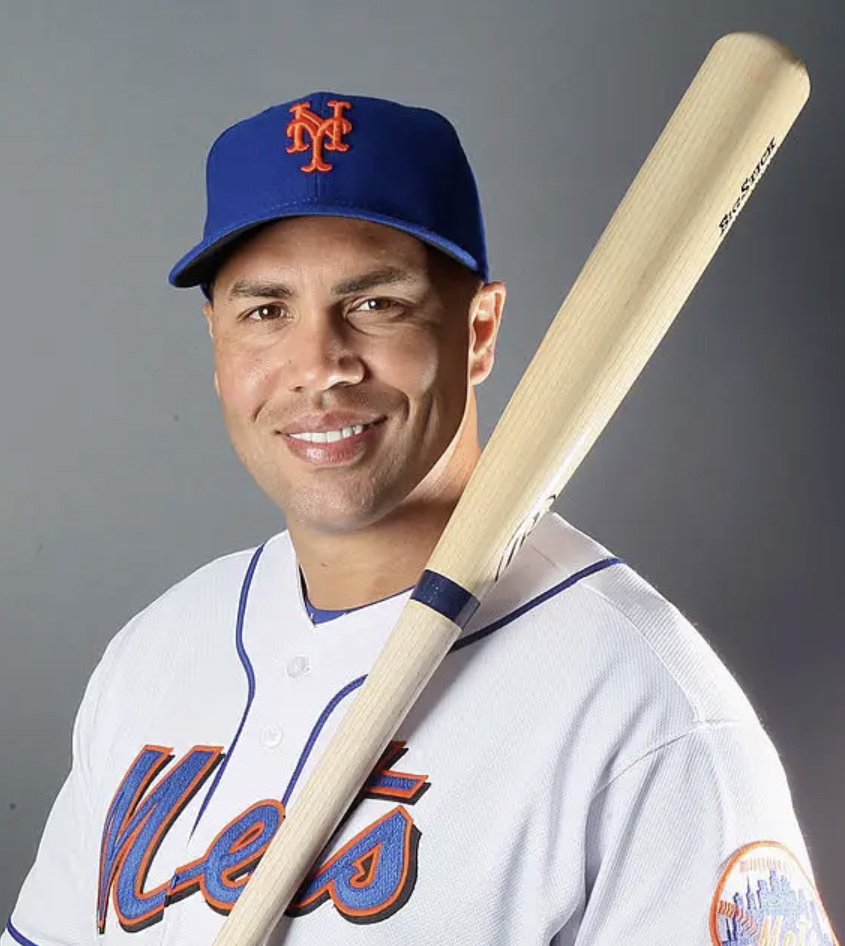
The real controversy as I see it is whether Beltran’s career justifies entrance into Cooperstown at all. Beltran spent most of his career in centerfield. Teams generally look for offensive production, particularly power production, in their center fielders. Defense, while important, is secondary. For this reason, induction into the Hall of Fame for center fielders generally depends on offensive output. Defense may be a tie breaker, but only a tie breaker. Therefore, it is useful to compare Beltran’s offensive stats to other center fielders in the Hall of Fame.
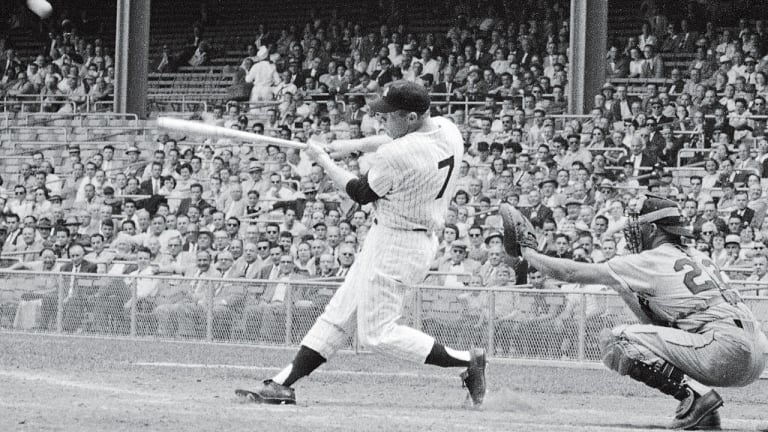
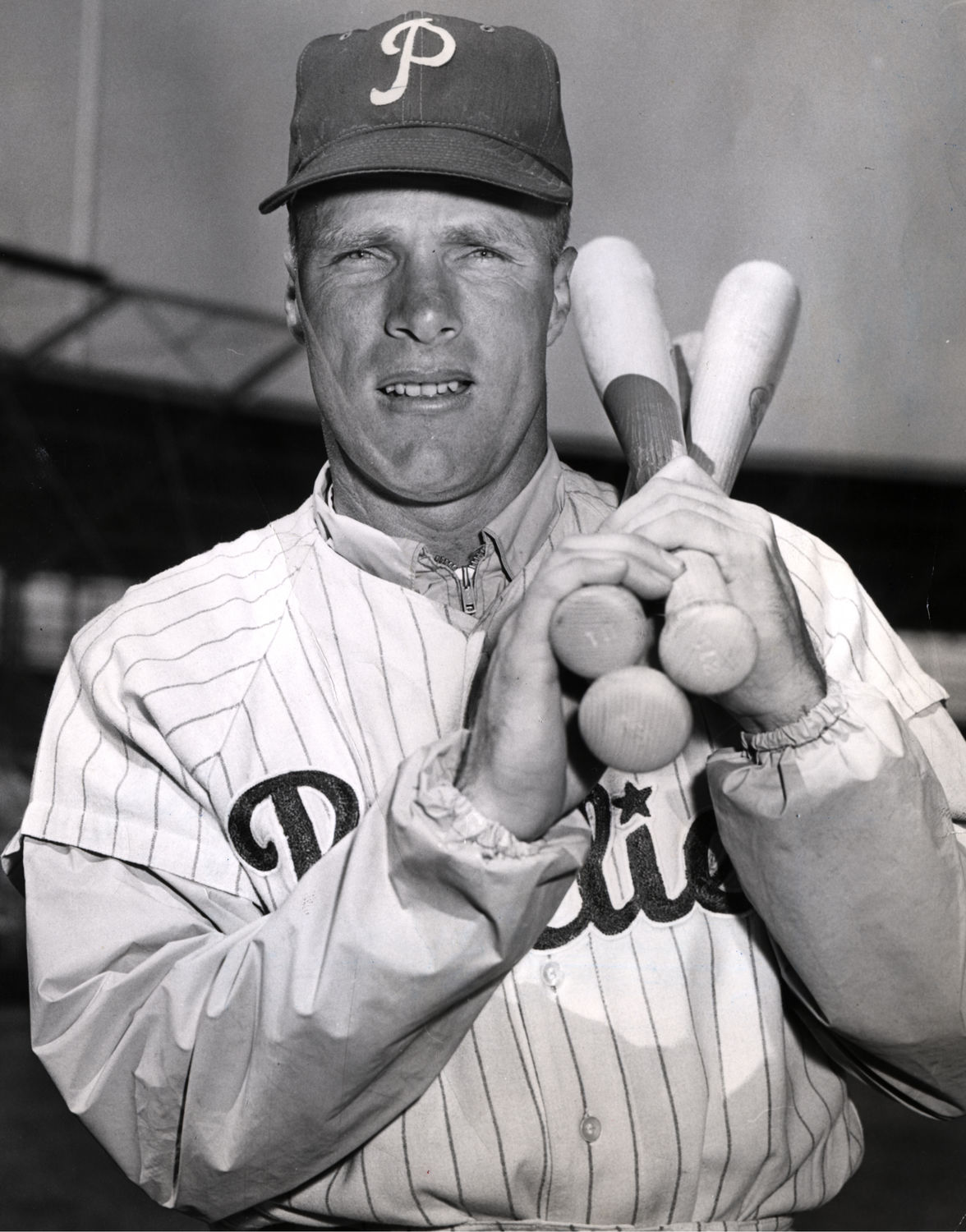
For this analysis, I use two ground rules. First, I will compare Beltran only to inductees who played post-World War II. The game was too different before WW II (no night baseball, no African-American pitchers, the dead ball prior to 1920, no expansion) to make comparisons to pre-WW II players valid. Second, I will divide the post-WW II inductees into two groups. Group 1 consists of those players whose offensive statistics standing alone merit induction in the Hall: Joe DiMaggio, Larry Doby, Ken Griffey, Jr., Mickey Mantle, Willie Mays, and Duke Snider. It might be argued that Doby and Snider do not fit into this group. I thought so too until I did the research. Group 2 consists of HOF inductees whose offensive numbers might be insufficient for enshrinement but whose defense put them over the top: Richie Ashburn, Andre Dawson (who played close to half his games in center), and Kirby Puckett.
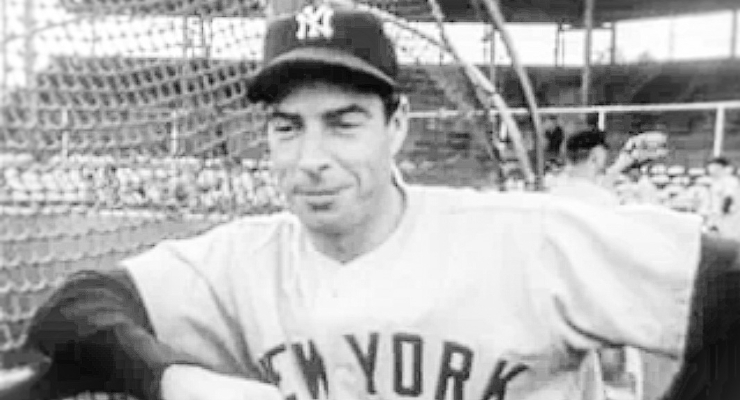
Beltran’s offense clearly does not favorably compare with the members of Group 1. Beltran’s career batting average (.279), on base percentage (.350), walks per 162 game season (68), slugging average (.486), OPS+ (119), and WAR (4.4) are all lower than the comparable figures for any Group 1 inductee. I include walks per 162 games in this comparison because I figure that nobody knows a batter’s ability better than the pitchers who throw to him. If the pitchers are afraid to give a batter anything to hit, it must say something about the batter’s hitting ability. See the chart below for the comparison.
BA OBP BB/162 SA OPS+ WAR
Beltran .279 .350 68 .486 119 4.4
DiMaggio .325 398 74 .579 155 7.4
Doby .283 .387 91 .490 140 5.5
Griffey .284 .370 80 .538 136 5.1
Mantle .298 .423 117 .557 172 7.4
Mays .302 .387 79 .557 155 8.4
Snider .295 .381 73 .540 140 5.0
I appreciate that there is more to offense than the numbers noted above. For example, an article in one newspaper noted that Beltran stole 312 bases, more than twice the number stolen by Mickey Mantle among others. Of course, Beltran made 49 outs attempting to steal those bases. This amounts to a success rate of 86.4%. Mantle pilfered 153 bases in 191 attempts, an 80.1% success rate. Can anyone reasonably suggest that Mantle could have stolen as many bases as Beltran if he was given the green light more often? With apologies to exceptions like Lou Brock and Ricky Henderson, stolen bases are not what gets post-WW II players into the Hall of Fame.
It can also be argued that Beltran had better career numbers for categories such as hits or home runs than some other post-WW II center fielders in Group 1, but those others had careers shortened by military service (DiMaggio and Mays while on MLB rosters, Ashburn and Snider while in the minors and Doby while in the Negro Leagues), injuries (Mantle, Puckett, and to a lesser extent Griffey), and/or delayed entry into MLB (Doby).
Beltran never led the league in hits, doubles, triples, home runs, RBIs, runs scored, batting average, on base percentage, slugging average, or WAR. By contrast DiMaggio led a total of eleven times in these categories, Doby eight times, Mantle twenty-five times, Mays twenty-eight times, and Snider nine times.
So, Beltran doesn’t get to Cooperstown by offense alone. Next, let’s compare Beltran’s offensive numbers to those HOF inductees (again post-WWII) who needed good defense to get them over the hump and into the Hall. This is what I reference as Group 2. See the chart below.
BA OBP BB/162 SLG OPS+ WAR
Beltran .279 .350 68 .486 119 4.4
Ashburn .308 .397 89 .382 111 4.4
Dawson .279 .323 36 .482 119 4.8
Puckett .318 .363 41 .477 124 4.6
Ashburn led the league fifteen times in offensive categories, Dawson three times, and Puckett six times.
Beltran’s offensive numbers compare favorably to Group 2, although it is close. His lifetime batting average equals Dawson’s, his on base percentage exceeds Dawson’s, his walks per 162 game season surpass Dawson and Puckett, his slugging average tops every player in this group, his OPS+ equals Dawson and is better than Ashburn’s, and his WAR equals Ashburn’s. So, the argument goes, if these guys are good enough to get into the Hall of Fame on good but not great offensive stats coupled with superior defense, shouldn’t Beltran be inducted also? The answer is “yes” only if Beltran’s defense compares favorably to theirs. So, let’s compare the defense.
For comparison, I use (1) number of gold gloves won, keeping in mind that gold gloves were not awarded in Ashburn’s first nine seasons, (2) the number of times leading the league in assists, putouts, double plays, and fielding average, and (3) range factor in games played in center field – recognizing that this category may overlap with others. I also recognize that a player’s assist total may be a function of the willingness or unwillingness of baserunners to attempt to take an extra base on a particular fielder thereby reducing the assist totals of some outfielders with outstanding arms.
Beltran won three Gold Gloves. He led the league in assists four times and in double plays twice. He led the league in fielding average only one time, in 2012 when he played mostly right field. He twice led the league in putouts. His range factor was 2.79 per nine innings. See the chart below for a comparison of defensive statistics between Beltran and Group 2 Hall of Fame inductees.
GG PO A FA DP RF/9
Beltran 3 2 4 1 2 2.79
Ashburn 0 9 7 2 2 3.10
Dawson 8 3 2 1 1 2.89
Puckett 6 3 3 0 3 2.91
As with offensive numbers, Beltran’s fielding figures are comparable to those whose superior defense was needed to get them into the HOF, although again it is close.
Does Beltran belong in the HOF? I say too close to call.
Vince Jankoski
Subscribe to Baseball History Comes Alive. FREE BONUS for subscribing: Gary’s Handy Dandy World Series Reference Guide. https://wp.me/P7a04E-2he




I wonder how Andruw Jones’ numbers compare? What I’d really like to know is why, when his first eligible ballot garnered him 7% of the vote, did he end up in this year? Did he get so much better after he retired?
(No offense to Messrs. Jones and Beltran. Both borderline in my opinion, but I am much tougher than the BBWAA folks–pretty close to half the inductees I would give the boot and leave it at the best of the best and not feel obligated to constantly add new members which inevitably waters down the whole megillah. See: Rock and Roll HoF. And I don’t suppose I’ll soon forgive Carlos for standing at the plate with his thumb up his butt while the pennant whistled by him in 2006. You’ve got to take a hack in that situation!)
Would like to know who your top-ten guys to kick out are. Would make for an interesting essay!
If the voting is too restricted, there will be too many years in which nobody is elected and fans will lose interest.