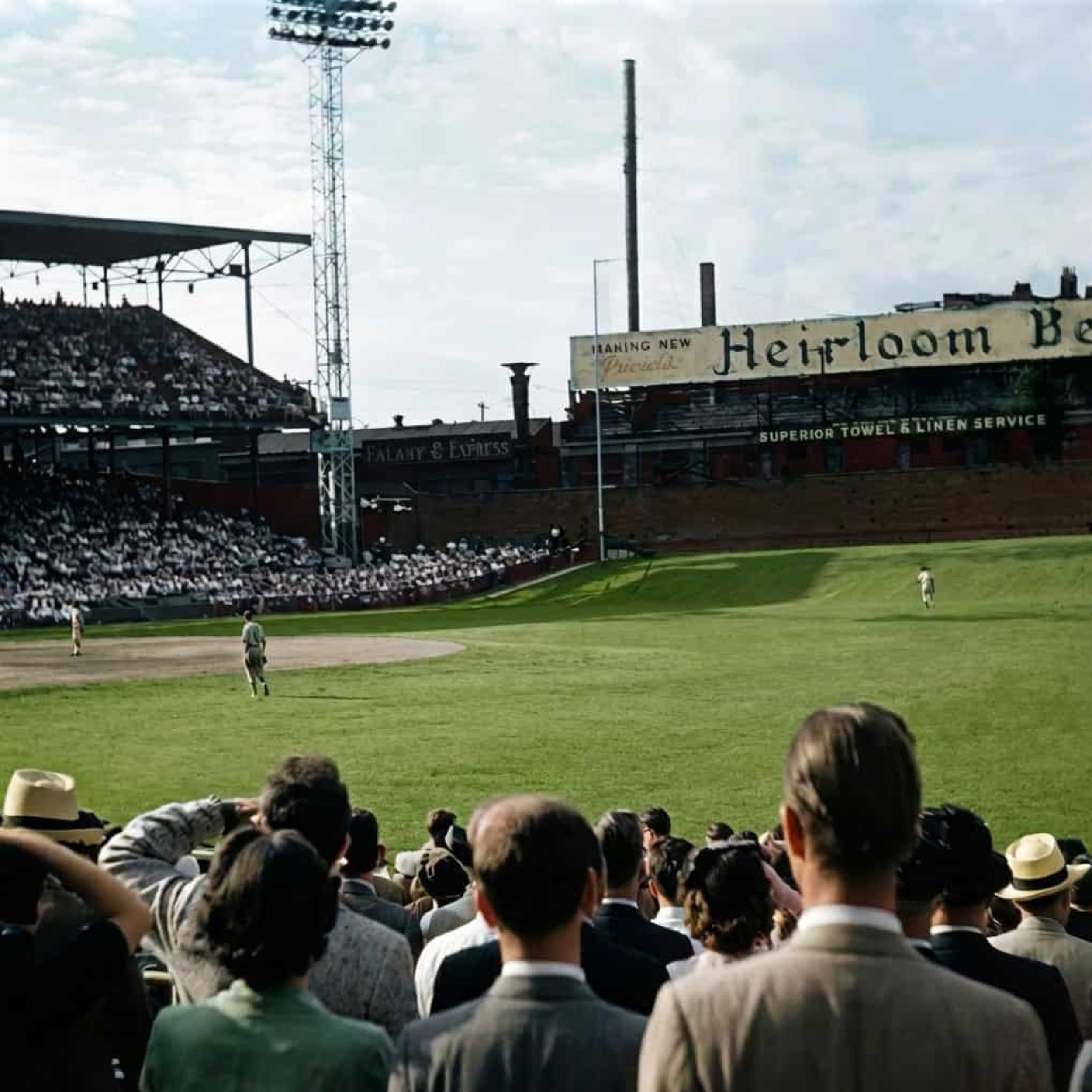
Panoramic Photo Above:
Crosley Field, Cincinnati
Baseball History Comes Alive Now Ranked As a Top Five Website by Feedspot Among All Baseball History Websites and Blogs!

(Check out Feedspot's list of the Top 35 Baseball History websites and blogs)
Visit the Baseball History Comes Alive Home Page
Subscribe to Baseball History Comes Alive
Free Bonus for Subscribing:
Gary’s Handy Dandy World Series Reference Guide
Tommy John Photo Gallery
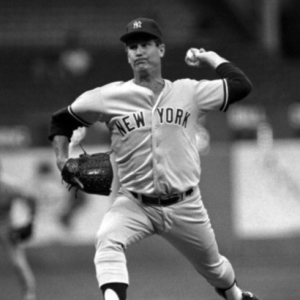
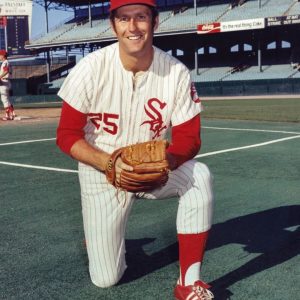
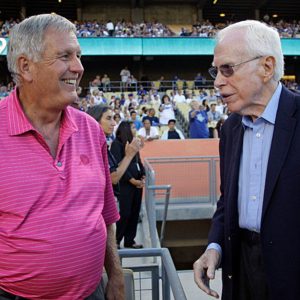
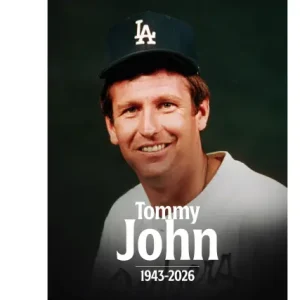
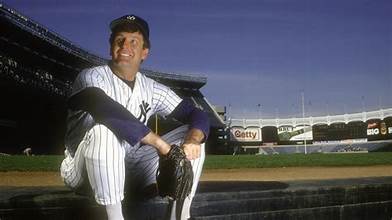
RIP Tommy John:
The Pitcher Who Changed Baseball Forever
…And Why Isn’t Tommy John in the Hall of Fame?
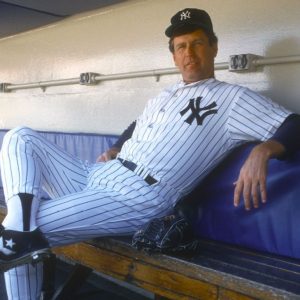
The baseball world was saddened to learn of the passing of one of its most remarkable figures. On Saturday, August 15, 2026, Tommy John passed away at the age of 83 at his home in Lakewood Ranch, Florida. Most baseball fans know his name because of the famous surgery that bears it. But Tommy John was much more than the name attached to an operation. He was a talented, durable pitcher who enjoyed a remarkable 26-year major-league career (1963-1989), and then, after what appeared to be a devastating injury, accomplished something that had never been done before.
Tommy John’s Career Numbers
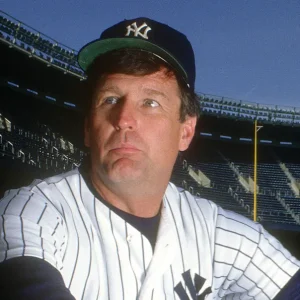
A native of Terre Haute, Indiana, the four-time All-Star made his major-league debut with the Indians in 1963 and went on to pitch for the White Sox, Dodgers, Yankees, Angels and Athletics. The 6’3″, 180-pound southpaw’s best year was 1977 when he posted a 20-7 record (.741) with a 2.78 ERA. When his career finally ended in 1989, he had compiled a 288-231 record (.555) to go along with a 3.34 ERA, 2,245 strikeouts, 46 shutouts, and 162 complete games. In 14 postseason games, he went 6-3 with a 2.65 ERA. 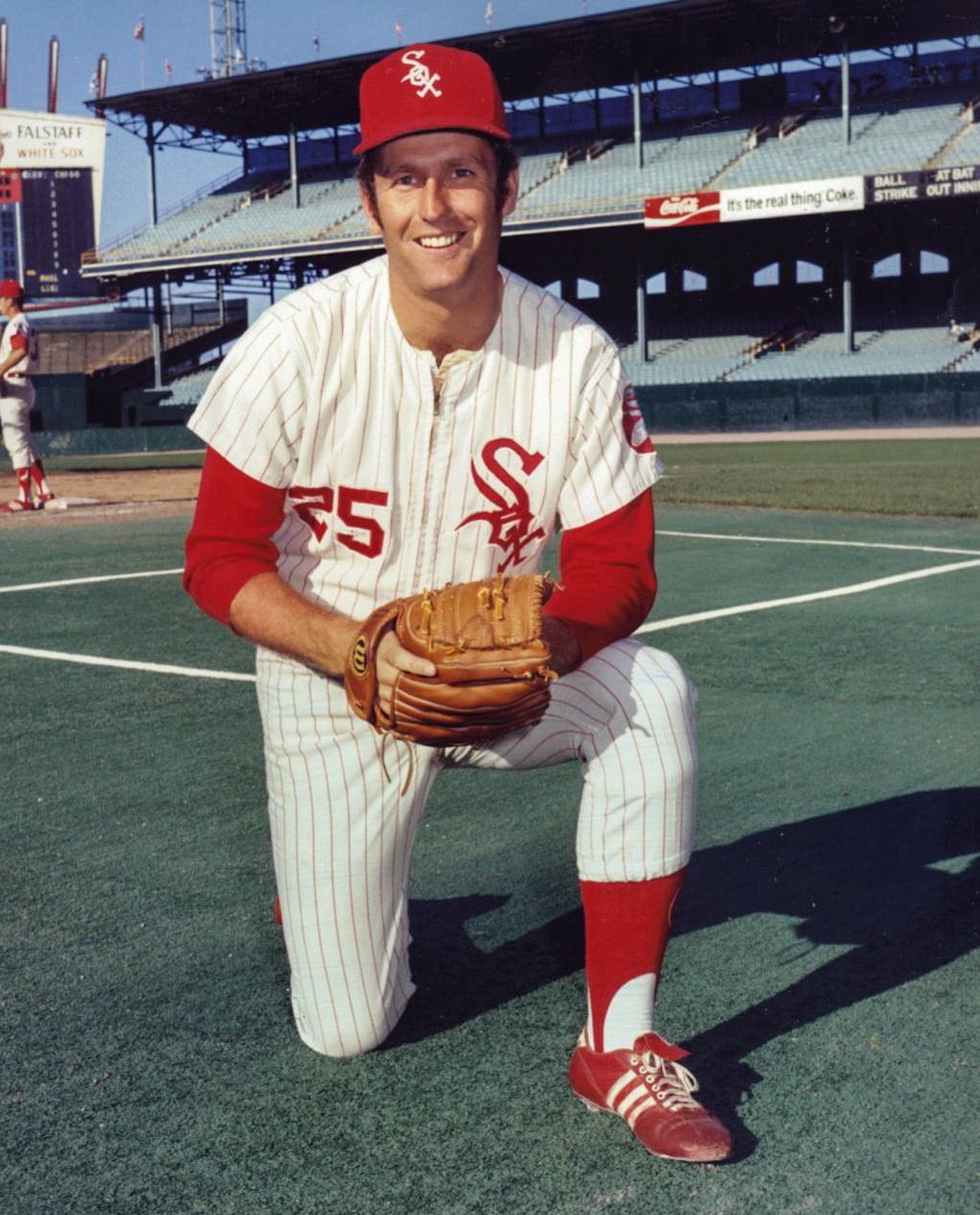
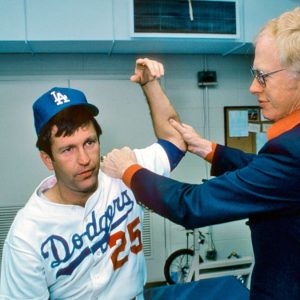
But the most important chapter of his career began in 1974. Tommy was having one of the best seasons with the Dodgers. He was 13-3 when, during a July game against the Montreal Expos, he suffered a serious injury to his left elbow that involved the ulnar collateral ligament. At the time, such an injury was essentially considered a career-ending event for a pitcher.
Enter Dr. Frank Jobe
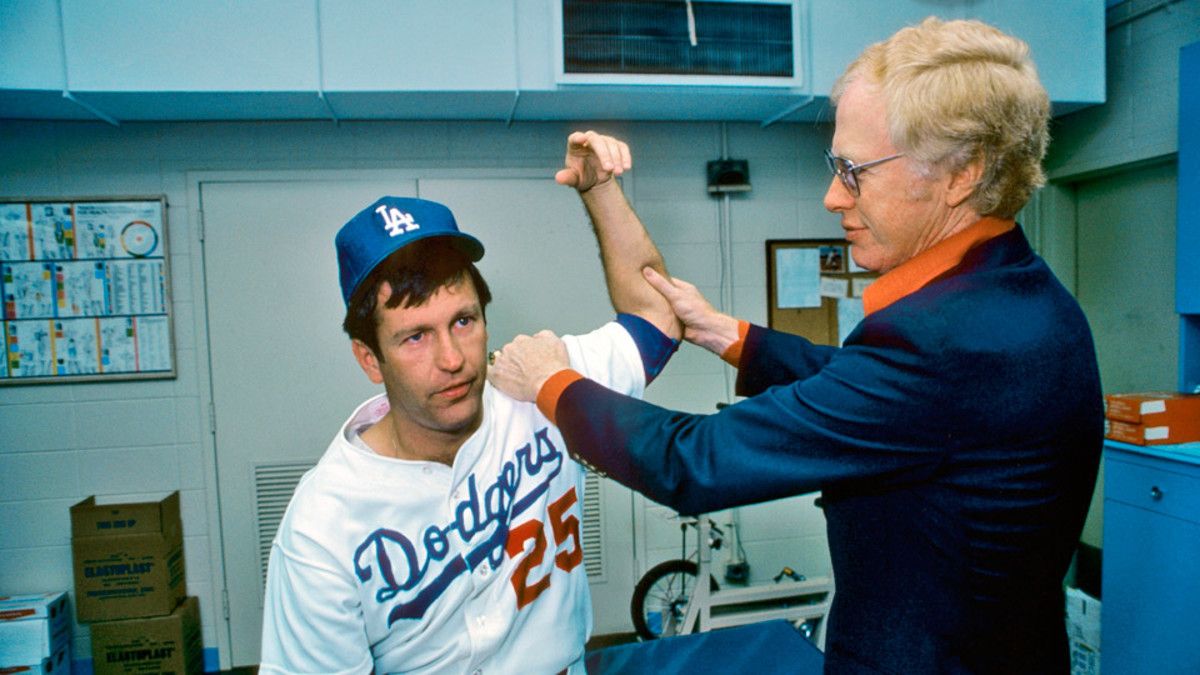
Dr. Frank Jobe, the Dodgers’ team physician, proposed an experimental operation that had never before been performed on a major-league pitcher. On September 25, 1974, he reconstructed John’s damaged elbow ligament using a tendon from John’s forearm. It was an extraordinary gamble. Jobe reportedly gave John only about a one-in-100 chance of pitching again.
But Tommy John’s career wasn’t over…
After a difficult and involved rehabilitation, he returned to the Dodgers in 1976 and won 10 games. The following season, he went 20-7 with a remarkable 2.78 ERA and finished second in the National League Cy Young Award voting. He eventually pitched for 14 more seasons after the surgery, winning 164 games—more than half of his career total.
Think about that for a moment. The operation that was supposed to give him a tiny chance of pitching again instead gave him another decade-plus in the major leagues. And it changed baseball. Today, “Tommy John surgery” is a familiar phrase to every baseball fan. Thousands of pitchers have undergone the procedure, and many have returned to successful careers. What began as an experimental operation on one injured Dodger pitcher became one of the most important advances in sports medicine. There is something wonderfully appropriate about the fact that the operation was named after the man who was willing to take the chance.
Surely a Hall of Fame Career
You’ll have to make a really strong argument to convince me why Tommy John does not belong in the Hall of Fame. If we discount his off-field contributions and judge his career from a purely statistical perspective, he certainly qualifies.
Consider all this: His 288 victories are more than many highly regarded pitchers already enshrined in Cooperstown. Even a partial list reads like a roster of many of baseball’s all-time greats: Bert Blyleven (287), Fergie Jenkins (284), Jim Kaat (283), Jim Palmer (268), Bob Feller (266), Carl Hubbell (253) Bob Gibson (251), Juan Marichal (243), Whitey Ford (236), Catfish Hunter (224), Pedro Martínez (219), Don Drysdale (209), and Sandy Koufax (165). His 288 victories would currently rank him 24th among the 90 pitchers in the Hall. In addition, his 3.34 career ERA is better than that of 18 members.
Tommy John’s Legacy to Baseball
Tommy John never reached 300 victories and was never elected (yet!) to the Baseball Hall of Fame. That remains a subject of considerable debate among baseball historians and fans and a case can certainly be made that he belongs. But when we look back years from now, I suspect his legacy will be measured by something more than wins, losses, or awards: He helped change what was possible. Before Tommy John, an injured pitcher’s career could end with a damaged elbow. After Tommy John, there was hope.
And that may be the greatest baseball legacy of all.
Rest in peace, Tommy John.
Gary Livacari
Subscribe to Baseball History Comes Alive. FREE BONUS for subscribing: Gary’s Handy Dandy World Series Reference Guide. https://wp.me/P7a04E-2he
Visit the Baseball History Comes Alive Home Page




It certainly seems that he deserves to be in the Hall.
Yeah…and Randy Bachman belongs in the R&R Hall of Fame along with his two bands (the Guess Who and Bachman-Turner Overdrive). We all know why neither will happen – internecine politics. It’s baffling why Tommy John isn’t in the Baseball HoF. Lord knows, he belongs there both for his overall pitching record and for the contribution he made for so many pitchers who followed him. He may yet make it; the damned shame is he won’t have lived to see it.
Great observations, Frank…thanks for checking in!