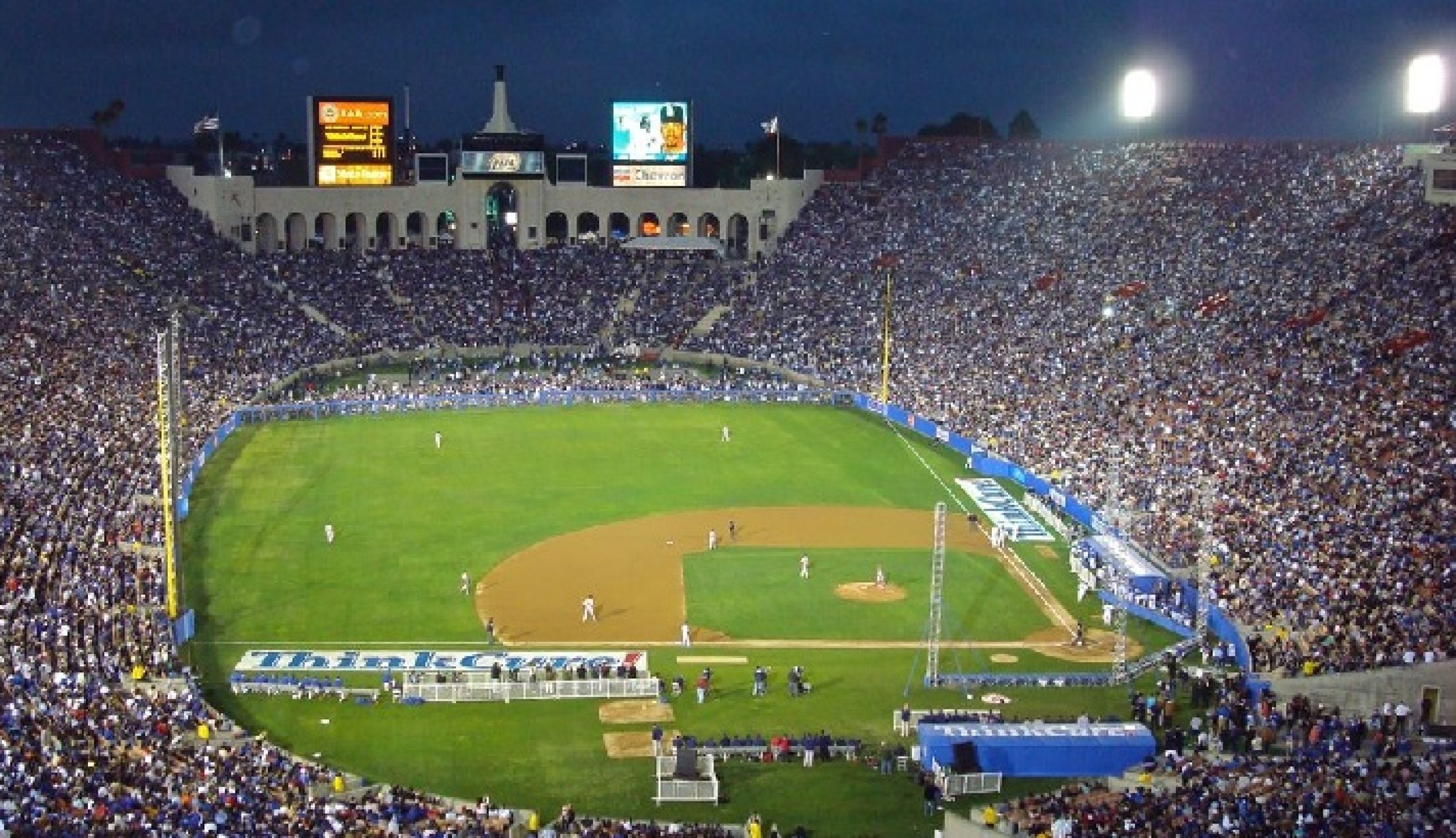
Panoramic Photo Above:
Los Angeles Coliseum
Baseball History Comes Alive Now Ranked As a Top Five Website by Feedspot Among All Baseball History Websites and Blogs!
(Check out Feedspot's list of the Top 35 Baseball History websites and blogs)
Visit the Baseball History Comes Alive Home Page
Subscribe to Baseball History Comes Alive
Free Bonus for Subscribing:
Gary’s Handy Dandy World Series Reference Guide
We welcome back Ron Christensen today with a real eye-opening deep-dive into the career of Billy Goodman. I remember him from his time with the White Sox, including the 1959 pennant-winning team. I had no idea about the rest of his career, including his role as a “super-sub.” As Ron says, if there is ever a Hall of Fame for utility players, Billy Goodman should be the first to go in! -GL
Lets Remember Billy Goodman:
The One-Man Bench!
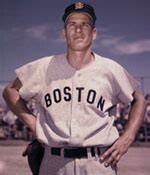
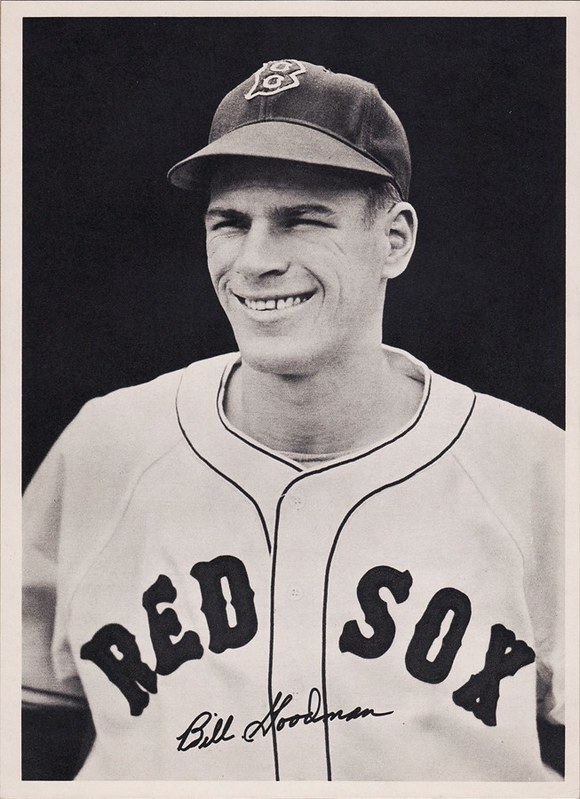
Imagine winning a batting title – without having a defined starting position. Or having such a great season you only narrowly miss being named league MVP – even though you didn’t know what position you might play from one game to the next. Or imagine being named to the All-Star team – though your playing time that season only came when others were injured.
Such is the life of the utility player. Correction: such is the life of an incredibly talented utility player. Those with the talent and versatility to play multiple positions and win batting titles don’t stay utility players; they quickly become starters. Unless you’re Billy Goodman, a utility player of nearly unmatched talent who played for the Boston Red Sox in the 1950s and who was for several seasons almost too valuable to be given a starting position.
I know when you read the last part of that last sentence you’ll shake your head and think I’m nuts. Maybe so. But think about it for a moment. Billy Goodman came to the Red Sox in 1948 after a successful minor league season in Louisville. With no defined role and the team laden with big-name stars, Goodman’s starting position was the bench. Having to rely on injuries to teammates for playing time, Goodman played substitute whenever and wherever needed, initially filling in at times for Bobby Doerr at second base and for Johnny Pesky at third base before finding a temporary home at first base where he spent much of that first season. Overall, he earned enough playing time to accumulate 527 plate appearances, bat .310 with a .414 on-base percentage, and be voted by the team as its Rookie of the Year, finishing fourth in the voting for American League Rookie of the Year. And he ended the season with a not-too-shabby .993 fielding average.
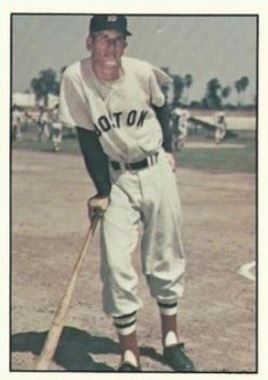
As the 1949 season approached, Boston Manager Joe McCarthy was in a quandary – where to play Billy Goodman. The answer? Same as the season before – Goodman rode the bench on Opening Day. Walt Dropo was a slugging rookie that year, and was given the nod as the everyday first baseman. But it wasn’t long before Dropo slumped and Goodman was back at first getting regular playing time. He again proved himself a solid performer, batting .298 in 122 games and making the All-Star team, finishing second in the voting for American League first baseman.
You might think that an All-Star level performance in 1949 would earn Goodman a starting
position with the Red Sox in 1950. It did, at least until April 30th when Goodman collided with Ferris Fain in a game against the Philadelphia A’s and sustained an ankle fracture. He was batting .333 at the time and was replaced at first by Walt Dropo. But unlike the year before, Dropo went on a tear, crushing home runs and hitting for high average. When Goodman was cleared to play in late May, first base was no longer available to him. It now belonged to Dropo.
Goodman remained on the bench, substituting again for Doerr and Pesky when they went down with injuries. By June he had played in games at all four infield positions, and in July took over left field for an injured Ted Williams when Williams fractured his elbow during the All-Star game. In one eight-game stretch after taking over for Williams, Goodman went 17-for-32 and batted .531.
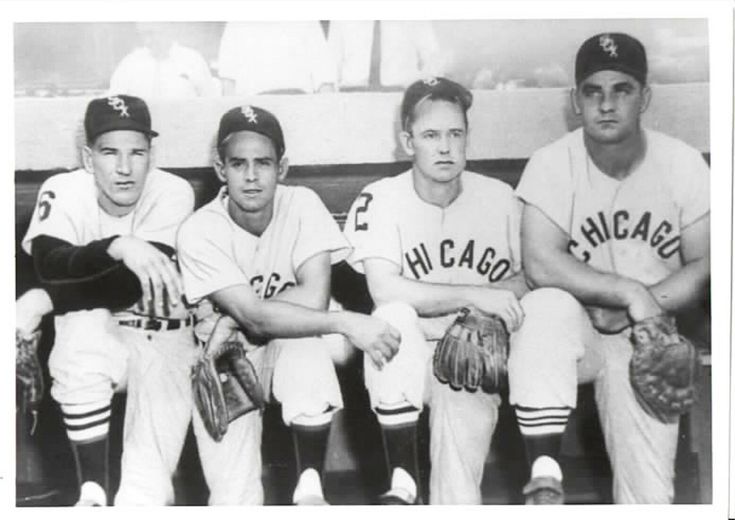
When Williams returned to the lineup, Goodwin was leading the league in hitting. With
Williams back in left field, Dropo having taken over first base, and Doerr and Pesky both
healthy, the Sox were revisited by their opening day quandary – where to play Goodman.
Although Goodman was leading the league in hitting, he needed more playing time to
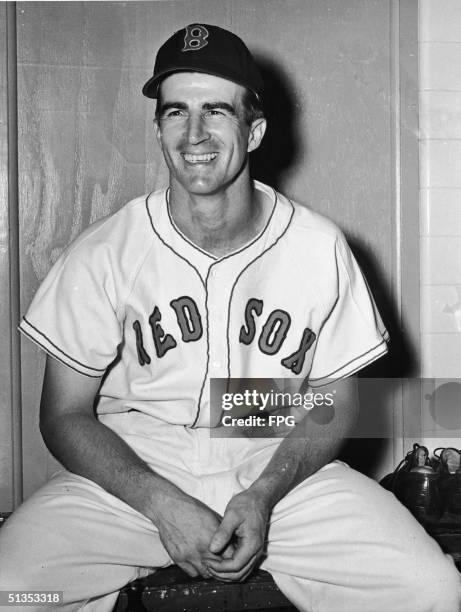
have enough at-bats to win the title. It was Pesky who fell on the sword, offering to sit out the final few weeks of the season to keep Goodman in the lineup. Pesky’s selflessness paid off, with Goodman finishing with a league-high .354 average and enough at-bats to win the batting crown. Goodman is often recognized as the only utility player to ever win a batting title.
Goodman also finished second to Phil Rizzuto for the 1950 AL MVP award, and was ranked
eleventh by the Associated Press for Male Athlete of the Year. Despite the accolades, Goodman still didn’t have a starting role waiting for him in 1951. He did, however, receive ample playing time, bouncing between right field, first base, second base and third base. His offense fell off a bit as he batted only .297, but he still garnered 162 hits on the year.
At the end of the 1951 season, Bobby Doerr retired. In 1952, Walt Dropo and Johnny Pesky
were traded and Ted Williams was recalled to military service due to the Korean War. Now the Sox were filled with holes (no pun intended), and could’ve used three Billy Goodmans to fill them. But they only had one to turn to, one everyone expected would be the heir apparent to Doerr at the keystone. But Goodman remained in utility mode, seeing innings in the outfield and at three different infield positions, most of which came at second base. Even in a utility role, Goodman finished the season leading the team in at-bats with 513, and was runner-up for the batting title with a .306 average.
It took six seasons, but in 1953 Billy Goodman finally found a position he could call his own.
He was named the Red Sox’s everyday second baseman, a decision that agreed with him as he batted .313 for the season, good enough to tie for third in the AL batting race. Goodman was also selected to the All-Star team as the American League’s starting second baseman.
Goodman remained with the Red Sox through the 1956 season. In 1957 he was traded to the Baltimore Orioles, where he was again used in a utility role, playing as many as six different positions. He batted .308 on the season, and over the winter was traded to the Chicago White Sox. Goodman primarily played third base for the Sox (Nellie Fox was their everyday second baseman), and finished the 1958 season with a .299 average. In 1959, Goodman platooned at third base for the White Sox, and had his first exposure to the World Series, playing in five of the six Series games in a losing effort to the Los Angeles Dodgers.
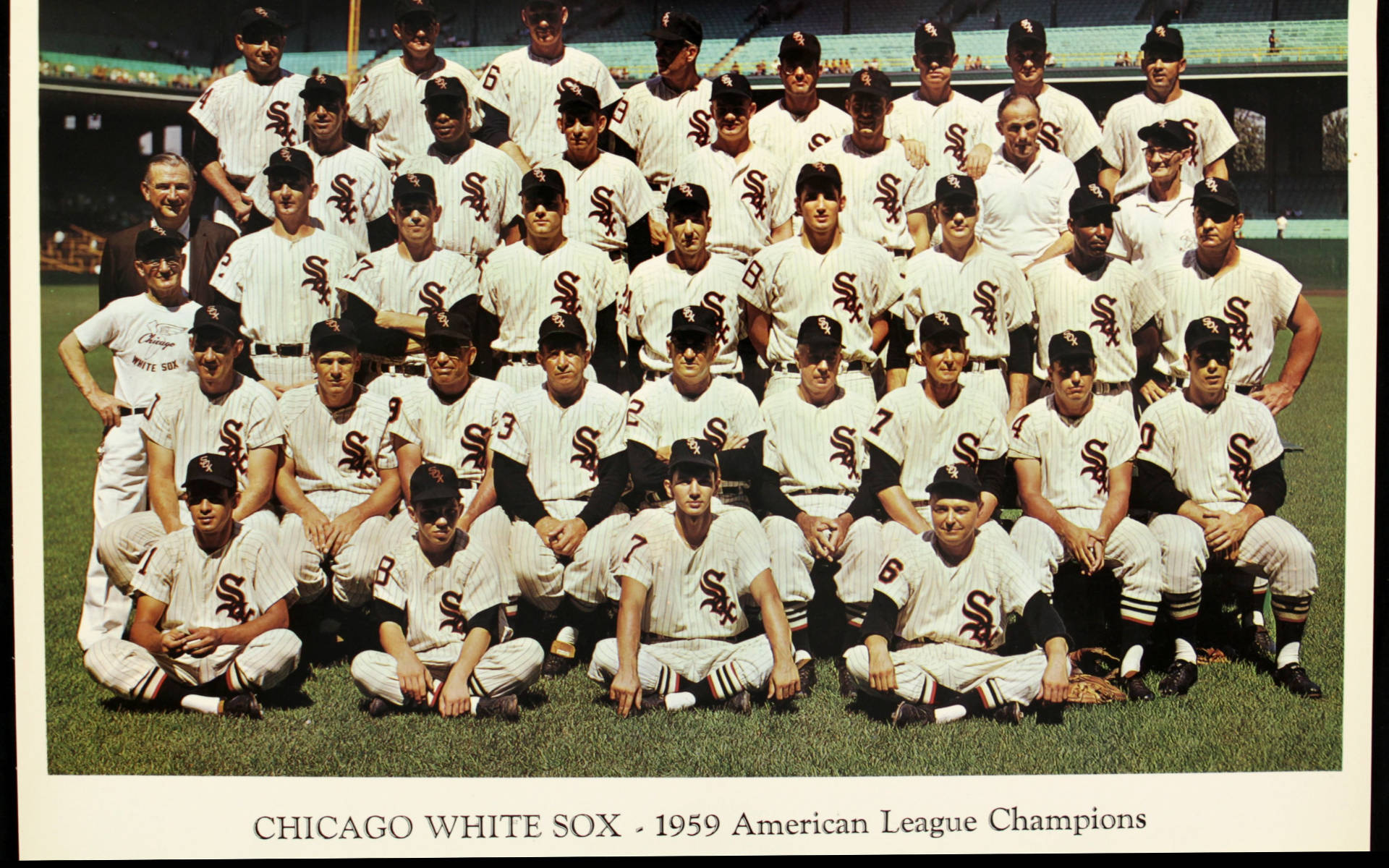
Goodman finished his career with the expansion Houston Colt 45’s in 1962, his final season as a major league player. He left with a lifetime batting average of .300, had 1,691 hits in 1,623 games, and five times had 5-hit games. He was twice voted to the All-Star team – at two different positions – and his on-base percentage of .414 in 1948 ranks him tenth all-time for on-base percentage by a rookie. Through it all, Goodman played every position but pitcher and catcher.
Goodman was diagnosed with multiple myeloma in 1983, succumbing to the disease on October 1, 1984. He was 58 years old. In 1969, he was inducted into the North Carolina Sports Hall of Fame, and in 2004 was inducted posthumously into the Boston Red Sox Hall of Fame. If ever there is a Utility Player Hall of Fame, Billie Goodman will be its first inductee.
Ron Christensen
REFERENCES:
1. Wikipedia: Billy Goodman
2. SABR: Billy Goodman – by Ron Anderson
3. Baseball Reference: Billy Goodman
4. Fenway Park Diaries: Fenway’s Best Players: Second Baseman – Billy Goodman
5. Boston Globe: In Memory of Billy Goodman – by Neil Singelais, October 3, 1
Photo Credits: All found on Google se
Subscribe to Baseball History Comes Alive. FREE BONUS for subscribing: Gary’s Handy Dandy World Series Reference Guide.
Visit the Baseball History Comes Alive Home Page




I remembered Goodman from the 1959 White Sox. But being just a Chicago kid then, I had no idea of his great seasons prior to his White Sox days. Great article to bring me up to date. What an impressive and unique career he had. I do wonder if any ballplayers in today’s world would be humble enough to play that utility role with such skill.
Thank you, Jay. Really glad you enjoyed the article. There are some good utility players playing today, but I don’t think any match the versatility of Goodman and his ability to succeed so well offensively while playing so many different positions defensively, sometimes game to game. And you’re right – he was a decent, humble guy who just rode with the opportunities he was given.
Thanks again for your comment.
Ron: Outstanding article; I really enjoyed it. I had never come across Goodman before, but I love guys like that. One of my favorite players right now is Ernie Clement, who plays second, third, short, and the odd game in the outfield. Every team needs a player who can fill the designated player role.
Thanks Mike! So glad you enjoyed it. I agree – a versatile utility player is a valued asset to any team. Hope to see another of your articles featured in the newsletter soon.