Panoramic Photo Above:
American Family Field (Miller Park), Milwaukee
Baseball History Comes Alive Now Ranked As a Top Five Website by Feedspot Among All Baseball History Websites and Blogs!

(Check out Feedspot's list of the Top 35 Baseball History websites and blogs)
Guest submissions from our readers always welcome click for details
Visit the Baseball History Comes Alive Home Page
Subscribe to Baseball History Comes Alive
Free Bonus for Subscribing:
Gary’s Handy Dandy World Series Reference Guide
Jerry Koosman, RIP (1942–2026)
The hard-throwing left-hander who helped turn baseball’s lovable losers into World Champions
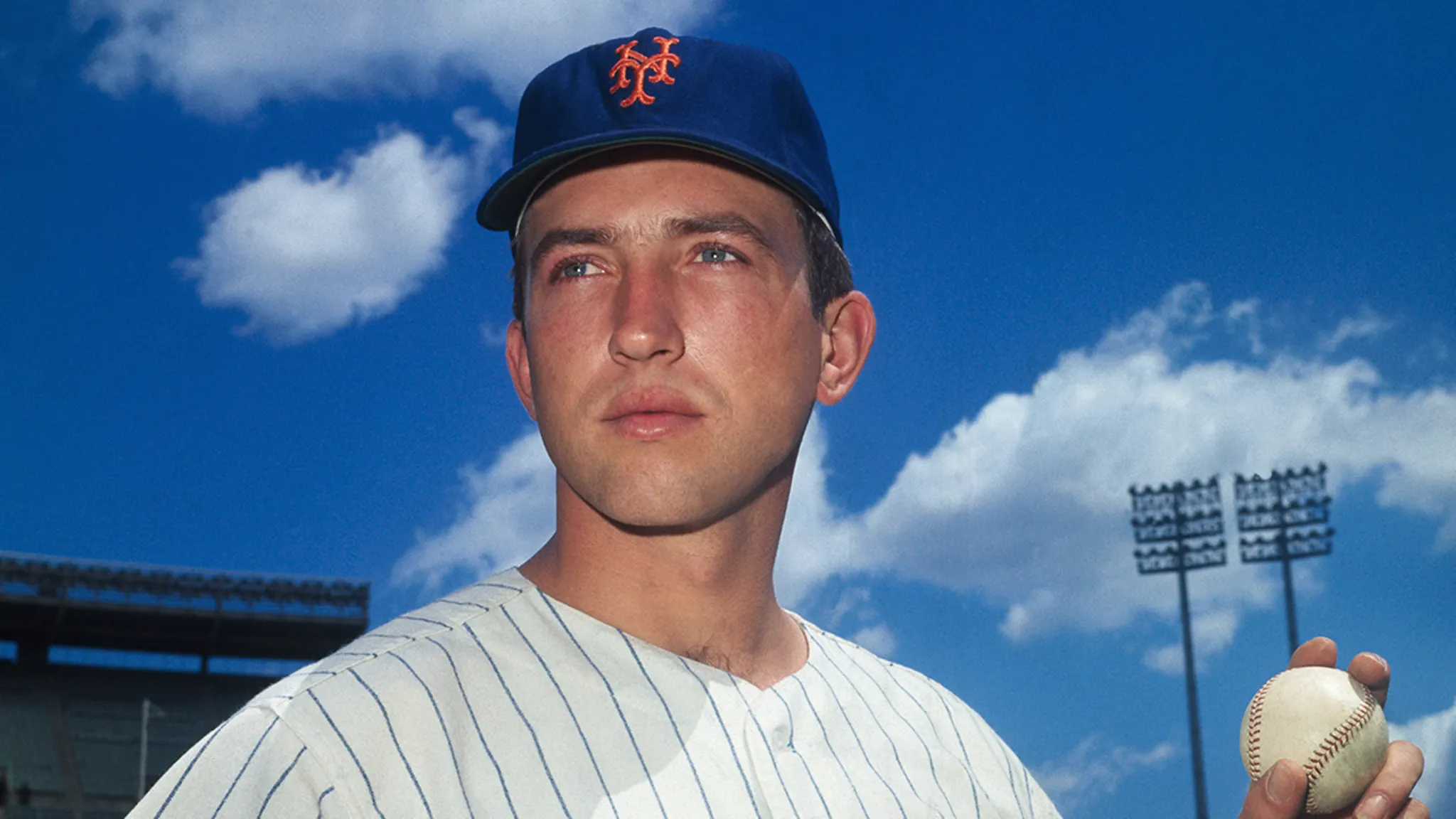
The baseball world was saddened today to learn of the passing of Jerry Koosman, aged 83, losing another connection to one of the game’s most memorable stories. 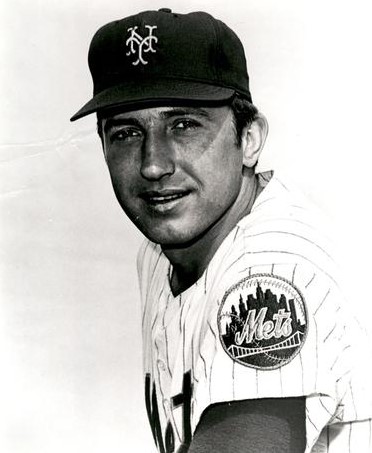
For those of us who remember the unforgettable 1969 baseball season (as a Cub fan, how could I forget it!), the name Jerry Koosman will always bring back memories of the “Miracle Mets,” the team that shocked the baseball world by defeating the heavily favored Baltimore Orioles in the World Series. Although Hall of Famer Tom Seaver received most of the headlines, it was Koosman who was on the mound for Game Seven when the Mets completed their improbable journey from perennial losers to World Series Champions.
From Lovable Losers to World Champions
When the Mets entered the National League as an expansion franchise in 1962, they quickly established themselves as one of the worst teams in baseball history. Their inaugural club lost an almost unbelievable 120 games, and losing seasons became an annual occurrence. In fact, the Mets had never even finished above .500 before 1969. But things began to change with the arrival of talented young pitchers, including Tom Seaver and Jerry Koosman.
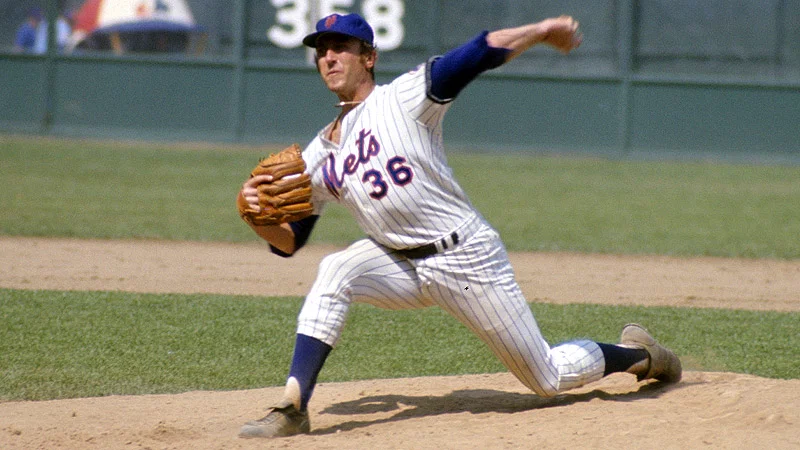
Koosman made his major league debut in 1967, but his breakthrough came the following season. In 1968, he compiled an outstanding 19-12 record with a sparkling 2.08 ERA, earning his first All-Star selection. He finished second in National League Rookie of the Year voting to another future Hall of Famer, Johnny Bench.
The Miracle Season of 1969
With Seaver and Koosman leading the pitching staff, the Mets accomplished the seemingly impossible in 1969. Under manager Gil Hodges, they won 100 games, captured the National League East title, and swept the Atlanta Braves in the first National League Championship Series. Koosman contributed a 17-9 record and a fine 2.28 ERA, providing the perfect complement to Seaver’s Cy Young Award-winning season.
The 1969 World Series
Their opponents were the powerful Baltimore Orioles, a team that had won 109 games. Few observers gave the overachieving Mets much of a chance against a powerful Orioles lineup that included such stars as Frank Robinson, Brooks Robinson, and Boog Powell; plus pitchers Jim Palmer, Mike Cuellar, and Dave McNally.
After Baltimore won the opening game, the Mets turned to Koosman for Game Two. The 26-year-old left-hander delivered one of the finest performances of his career, holding the Orioles hitless for six innings. He eventually departed with two outs in the ninth, having allowed just one run. Ron Taylor recorded the final out, preserving a 2-1 victory.
The Greatest Moment of His Career
Three games later, on October 16, 1969, Koosman returned to the mound at Shea Stadium with the Mets holding a three-games-to-one advantage.
The Orioles jumped ahead 3-0, but the Mets battled back. Koosman settled down and kept Baltimore’s powerful offense in check. With two outs in the ninth inning, Orioles second baseman Davey Johnson lifted a fly ball to left field. Cleon Jones settled under it and made the catch. The impossible had happened! The New York Mets were World Champions!
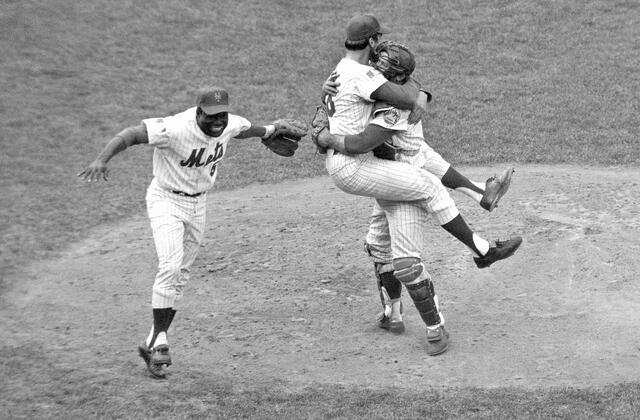
Koosman had pitched a complete-game five-hitter, winning his second game of the Series. For a franchise that had known almost nothing but defeat, it was a moment of pure baseball magic. More than half a century later, the image of Koosman embracing Jerry Grote on the Shea Stadium mound remains one of the most enduring photographs in baseball history.
A Career That Deserves More Recognition
Although the 1969 World Series was undoubtedly the highlight of Koosman’s career, he was far from a one-season wonder. He helped lead the Mets back to the World Series in 1973, when New York lost a hard-fought seven-game Series to the Oakland Athletics. Koosman again pitched effectively, winning Game Five.
His finest regular season came in 1976, when he won 21 games and finished second in National League Cy Young Award voting. After struggling with poor run support during the Mets’ declining years, Koosman was traded to the Minnesota Twins following the 1978 season. He responded by winning 20 games in 1979, proving he still had plenty left in his talented left arm. He later pitched for the White Sox (1981-1983), and was a key to the division-winning 1983 team, bringing postseason baseball to Chicago for the first time in 24 years. He also pitched two seasons for the Phillies before retiring following the 1985 season at age 42.
When all was said and done, Koosman had compiled a career record of 222-209, with a 3.36 ERA, 2,556 strikeouts, 140 complete games, and 33 shutouts over 19 major league seasons (1967-1985). Those are impressive numbers by any standard, especially considering that he spent many years pitching for teams that provided limited offensive support.
Remembering Jerry Koosman
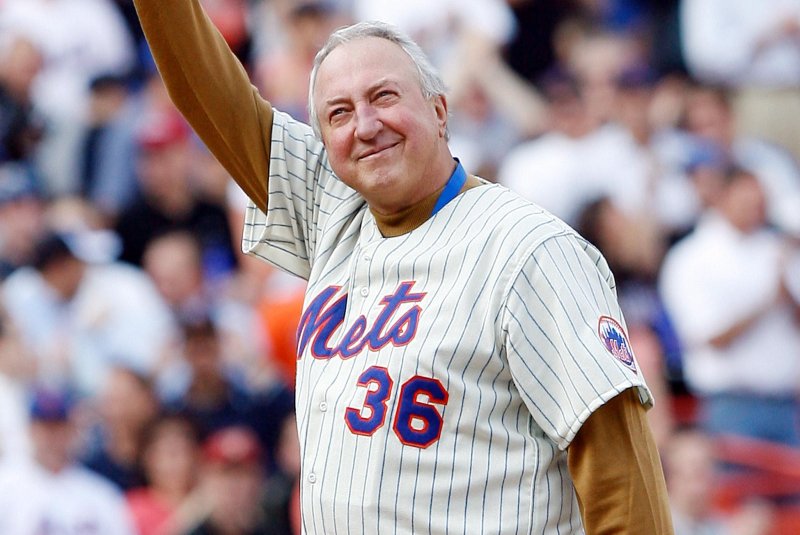
Jerry Koosman never received quite the recognition accorded his famous teammate Tom Seaver. But he was a fierce, durable competitor who seemed to save his best performances for the biggest moments. With his passing yesterday, we can sadly add his name to the list of outstanding left-handed pitchers who have passed away this year: Tommy John, Mickey Lolich, Sam McDowell, and Wilbur Wood.
Rest in peace, Jerry Koosman. Thanks for helping give baseball fans one of the greatest Cinderella stories the game has ever known.
Gary Livacari
Photo Credits: All found on Google search
Subscribe to Baseball History Comes Alive. FREE BONUS for subscribing: Gary’s Handy Dandy World Series Reference Guide. https://wp.me/P7a04E-2he
Visit the Baseball History Comes Alive Home Page