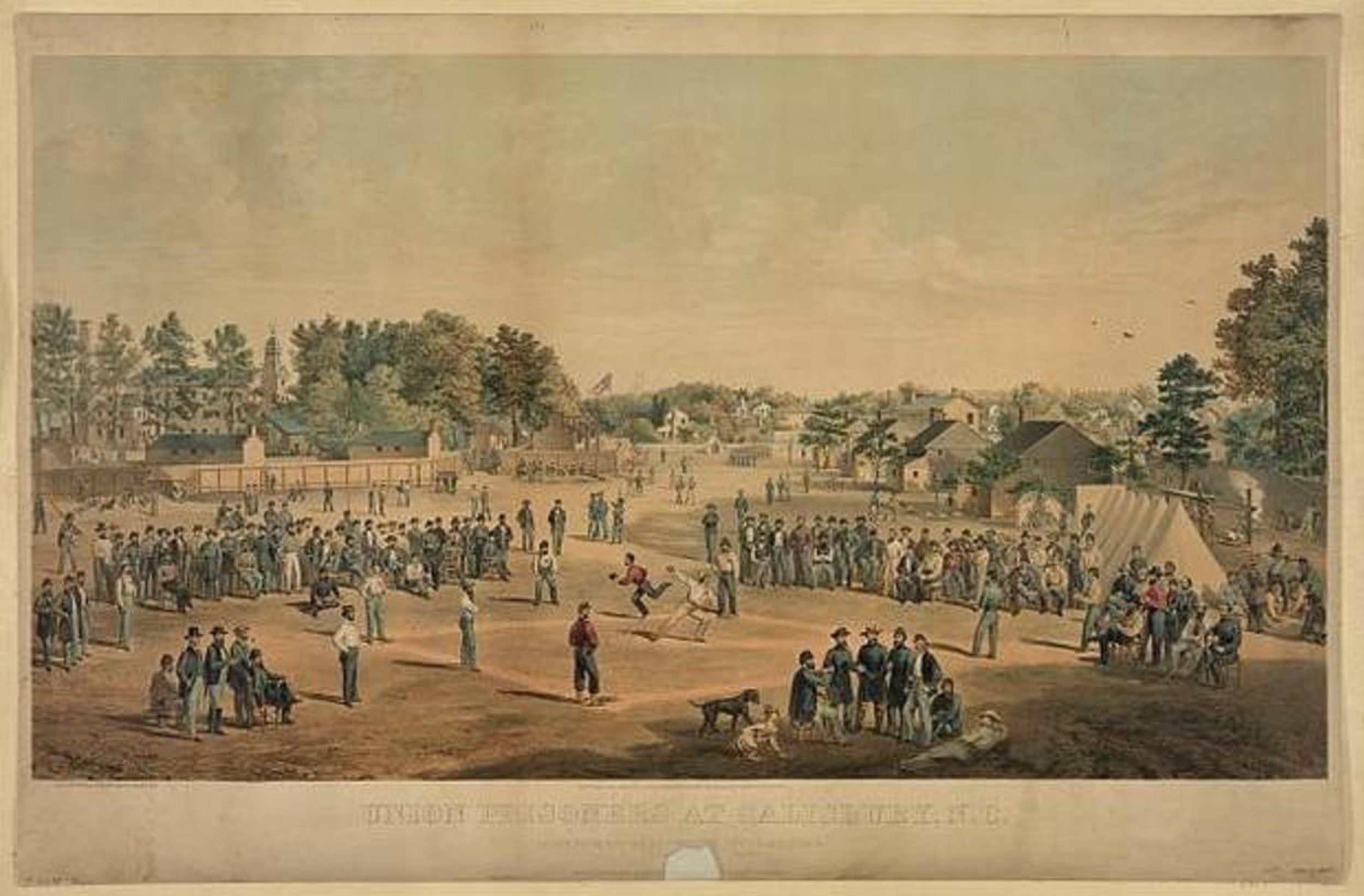

Panoramic Photo Above:
Baseball During the Civil War
Baseball History Comes Alive Now Ranked As a Top Five Website by Feedspot Among All Baseball History Websites and Blogs!

(Check out Feedspot's list of the Top 35 Baseball History websites and blogs)
Countdown to Opening Day, 2027
Guest submissions from our readers always welcome click for details
Visit the Baseball History Comes Alive Home Page
Subscribe to Baseball History Comes Alive
Free Bonus for Subscribing:
Gary’s Handy Dandy World Series Reference Guide
Freddie Lindstrom and the 1924 World Series Photo Gallery


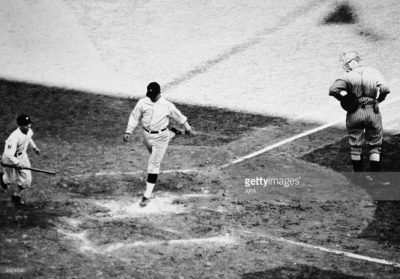


Answers to Today’s Quiz!
It’s Hall-of-Famer Freddie Lindstrom doing a reenactment of the “Pebbles Game” from the 1924 World Series!
“It was Fate, that’s all…Fate and a pebble!” -Teammate Heine Groh quoted in The Glory of Their Times
That’s how Heine Groh described the unusual events that transpired to make the Giants’ 18-year-old rookie Freddie Lindstrom the goat of the 1924 Fall Classic and handed the world championship to the original Washington Senators for the first and only time in their franchise history.
In today’s quiz, Hall-of-Famer Lindstrom is re-enacting the fateful events of the 1924 World Series. In the featured photo above, we see a young, rookie Freddie Lindstrom, many years younger and quite a few pounds thinner than the reenactment photo, about the time of the 1924 World Series.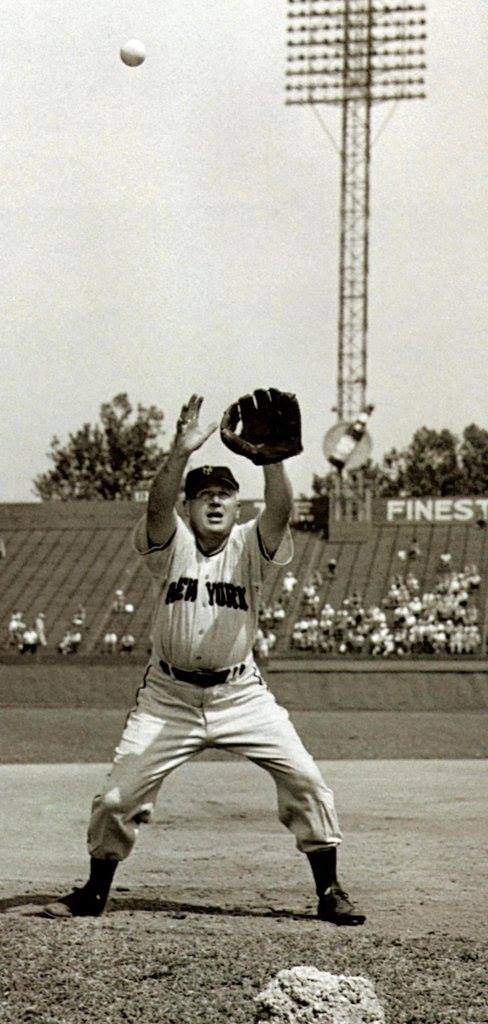
Also, on this date in 1934, Freddie was traded from the Pirates to the Cubs along with pitcher Larry French for pitchers Guy Bush and Jim Weaver.
Here’s a few words about Freddie edited from his SABR biography by Charles F. Faber:
“In his very first season in the major leagues, Freddie Lindstrom was involved in one of the more memorable events in World Series history…Freddie became the youngest player ever to appear in a World Series game at the age of 18 years, 10 months, and 13 days, a record that has never been broken. Until that fateful final game, the rookie was having a great series. In Game 2, he made seven assists, a single-game World Series record for third basemen that stood for 16 years. The “boy wonder” made four hits in Game 5 off Walter Johnson, arguably the game’s greatest pitcher.”
Here’s also a few words about the 1924 World Series and the play that etched Freddie Lindstrom forever into World Series lore:
The 1924 World Series – The Decisive Game Seven
The series was tied at three games apiece. The Giants were leading 3-1 as the bottom of the eighth unfolded. Washington loaded the bases with two out. Senators’ player-manager Bucky Harris then hit a sharp but routine ground ball headed toward the Giants’ 18-year-old rookie third baseman, Freddie Lindstrom. It apparently hit a pebble and took a high hop over Lindstrom’s head, sailing into left field. No error was charged, but two runners scored to tie the game.
The great Walter Johnson, making his first World Series appearance at the age of 36, was brought in to pitch the ninth. The Big Train was exhausted, having started and lost Games One and Five. But Johnson “reached deep down” and stayed in the game through the extra innings. He allowed runners in every inning from the ninth through the twelfth, but he kept the Giants from scoring. So it was still 3-3 when Washington came up in the fateful bottom of the twelfth.
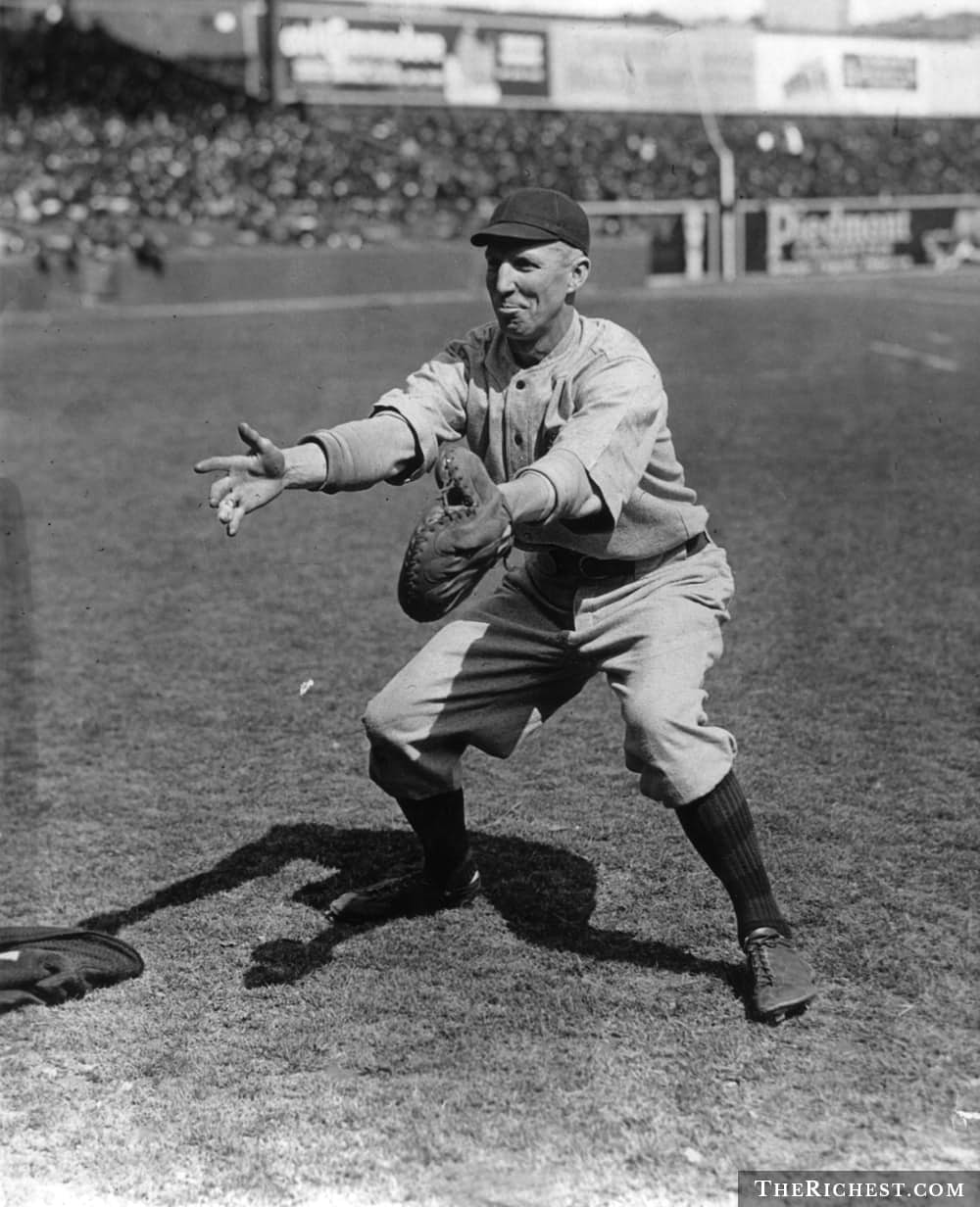
Hank Gowdy had caught every inning of every game in this series and was still behind the plate as the game moved into the twelfth. With one out, Washington’s catcher Muddy Ruel, a dreadful 1-for-19 in the Series, hit a high foul pop-up right behind the plate. Gowdy got a bead on the ball – as a catcher does a thousand times over his career – and tossed his mask aside. But he didn’t toss it far enough. As luck would have it, he stepped directly into the darn thing, trapping his foot. He struggled as he got under the ball to make the catch, while also trying to shake the mask free. Unfortunately, it fell uncaught to the ground.
It would soon prove to be a very costly error…
Don’t Give a Major Leaguer a Second Chance!
As so often happens when a major leaguer is given a reprieve, Ruel then drove a double down the left-field line. The next batter, Walter Johnson – a good-hitting pitcher – reached on another error, with Ruel holding at second.
Center fielder Earl McNeely then drove an identical grounder straight at Lindstrom, who had visions of an inning-ending double play. But instead, this ball, too, hopped over his head into left field!
Ruel, one of the slowest runners in the game, chugged around third while Giants’ left fielder Irish Meusel fielded the ball. For some mysterious, unexplainable reason, Meusel decided he had “no play.” Instead of throwing home in an attempt to prevent the series-winning run from scoring, Meusel just tucked it “into his hip pocket” and trotted to the dugout. The slow-footed Ruel crossed home plate without a play. The run gave the original Washington franchise its only World Series championship during its tenure in the nation’s capital.
So the question became: Who was really to blame, Lindstrom, Gowdy…Or Meusel?
Has Freddie been unjustly maligned all these years?
Gary Livacari
Information: Quote from Freddie Lindstrom SABR biography by Charles F. Faber; other excerpts edited from the Freddie Lindstrom Wikipedia page
Subscribe to Baseball History Comes Alive. FREE BONUS for subscribing: Gary’s Handy Dandy World Series Reference Guide.
Visit the Baseball History Comes Alive Home Page