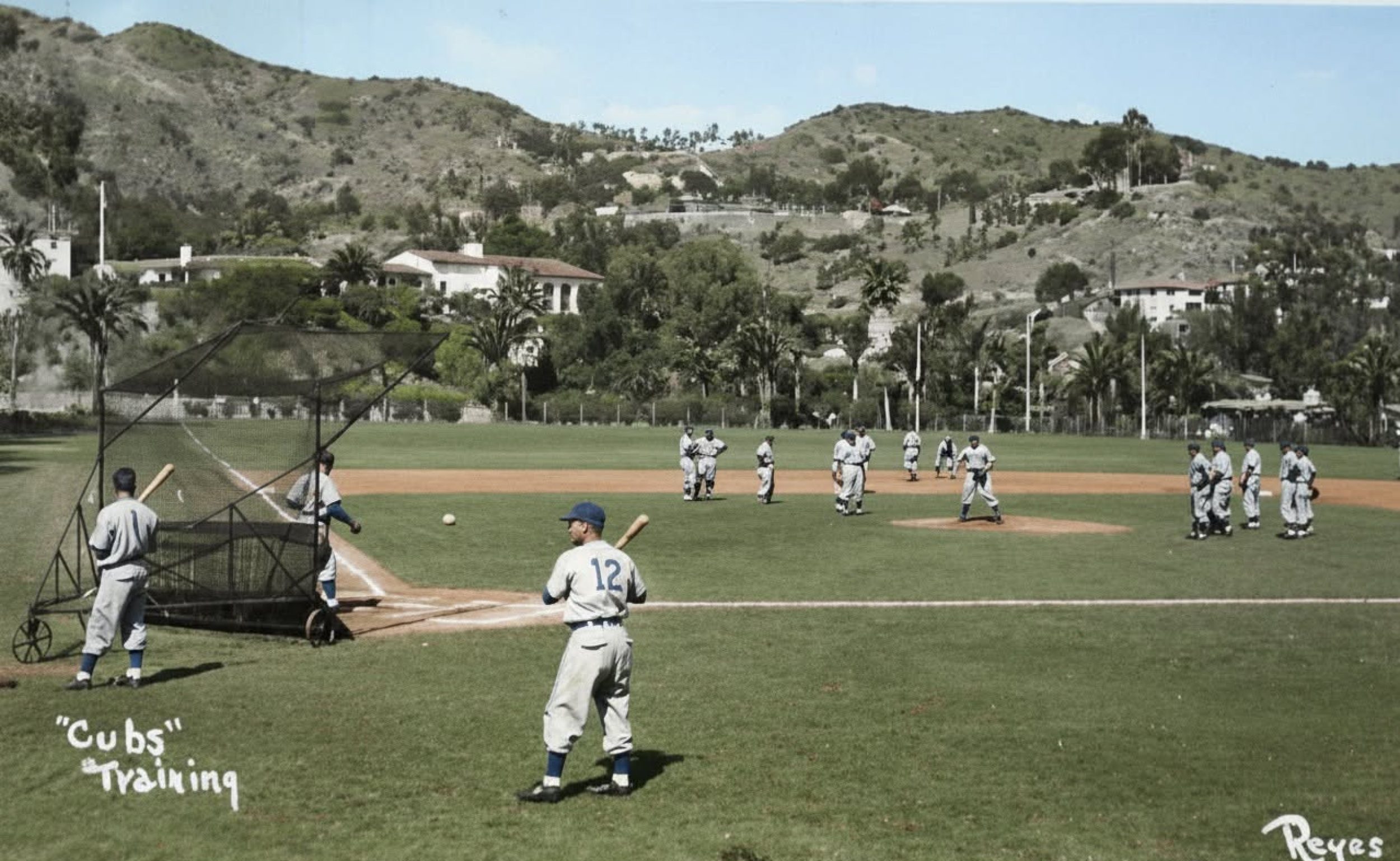
Panoramic Photo Above:
Cubs Spring Training on Catalina Island
Baseball History Comes Alive Now Ranked As a Top Five Website by Feedspot Among All Baseball History Websites and Blogs!
(Check out Feedspot's list of the Top 35 Baseball History websites and blogs)
Visit the Baseball History Comes Alive Home Page
Subscribe to Baseball History Comes Alive
Free Bonus for Subscribing:
Gary’s Handy Dandy World Series Reference Guide
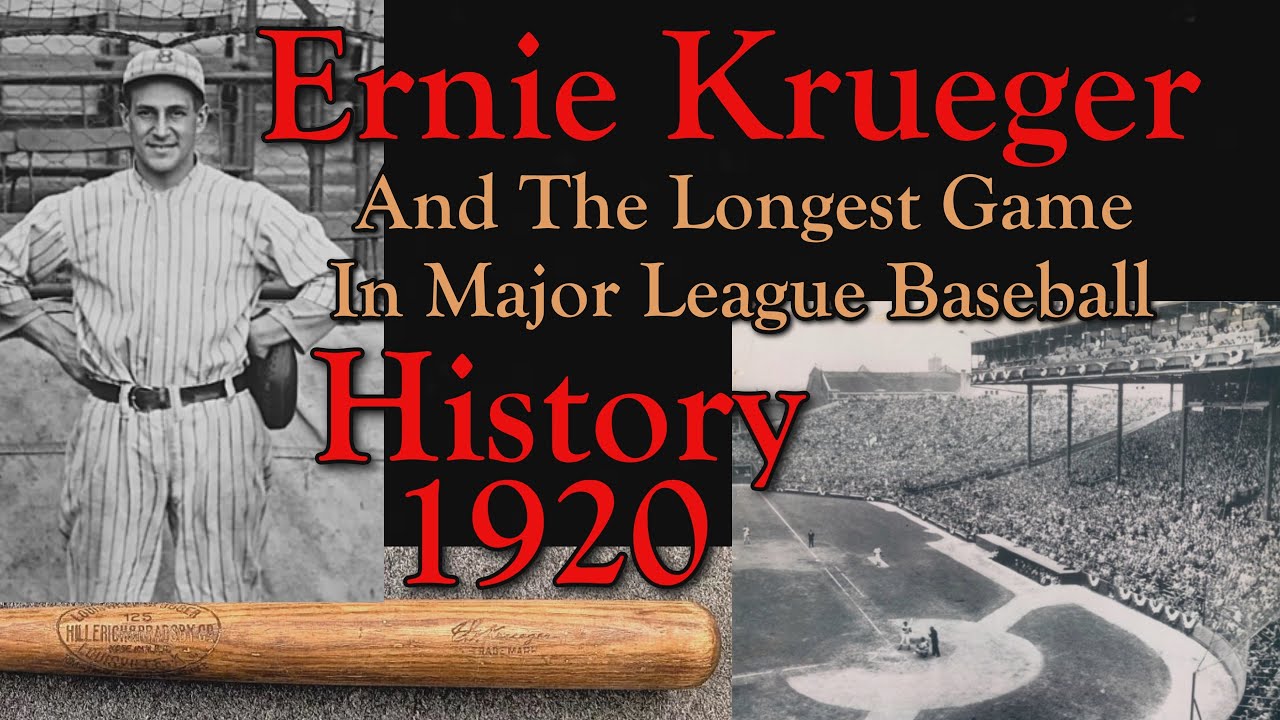
Ron Christensen returns today with an interesting account of the longest game in major league history: a 26-inning affair played on May 1, 1920. I don’t think we have to worry about this record ever being broken! -GL
A Baseball Marathon:
The Longest Game in Major League History
It was played May 1, 1920, and in terms of consecutive innings played in a single major-league game, it is destined to forever hold the record. The game began innocently enough on an overcast Saturday afternoon between the visiting Brooklyn Robins and the hometown Boston Braves. It almost wasn’t played as a persistent light rain had fallen throughout the morning. But by 3 pm the rain had stopped, and though threatening clouds persisted, the sunless sky cleared just enough to allow the teams to play. Still, it was far from ideal baseball weather, with a damp field and a temperature of only 49 degrees, and because of it less than 4,000 fans pushed through the turnstiles of Braves Field, far less than its 40,000-seat capacity. But those who braved the chill and damp and remained for all 26 innings were rewarded with having witnessed the longest major league baseball game ever played, and likely the longest that ever will be.
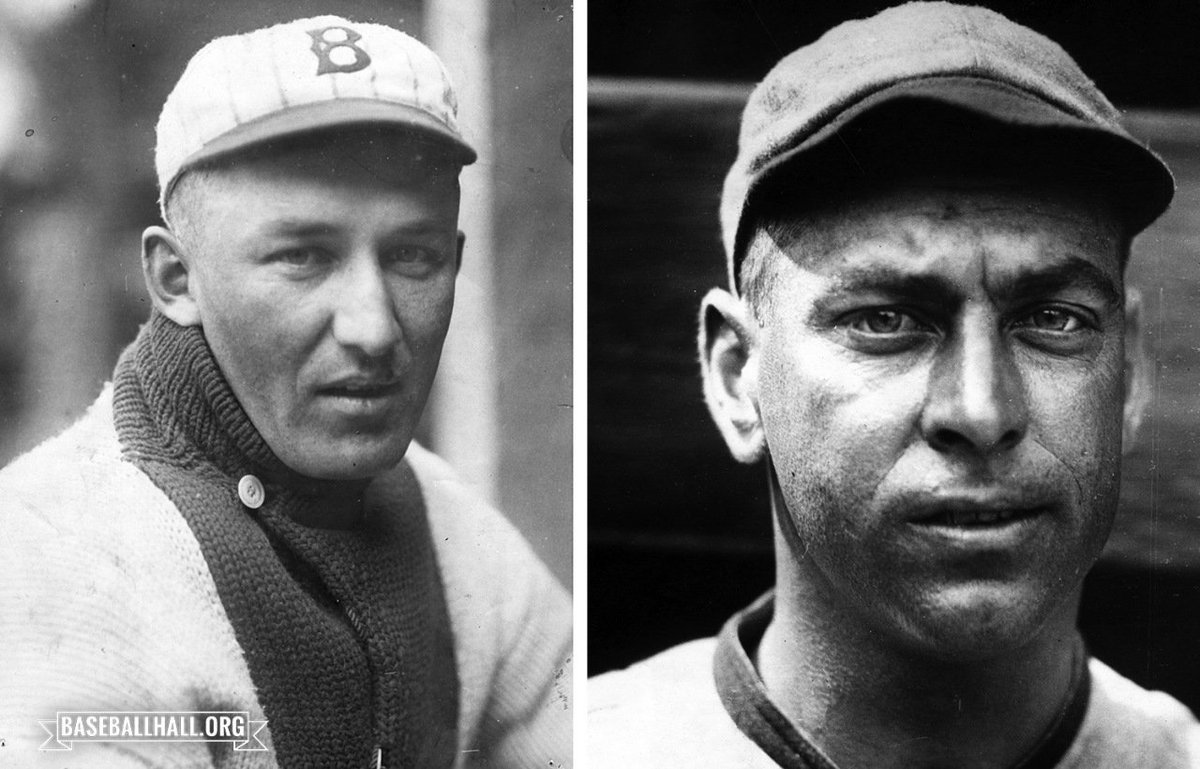
Ending in a tie after 26 innings, the game didn’t offer much offense. Brooklyn was the first to score a run, which it did in the top of the fifth. Joe Oeschger (pronounced Eschker), the Braves pitcher, walked leadoff batter Ernie Kreuger, Brooklyn’s catcher. Leon Cadore, Brooklyn’s pitcher, followed with a ground ball back to Oeschger, which might have been a double play had Oeschger not bobbled the ball. Oeschger’s only option was to throw Cadore out at first, which allowed Kreuger to advance to second. Ivy Olson, Brooklyn’s second baseman, slapped a two-strike broken-bat single to shallow left, scoring Kreuger for the first run of the game, and the only run Brooklyn would score. Oeschger struck out the next batter and got the final out on a line drive to left field.
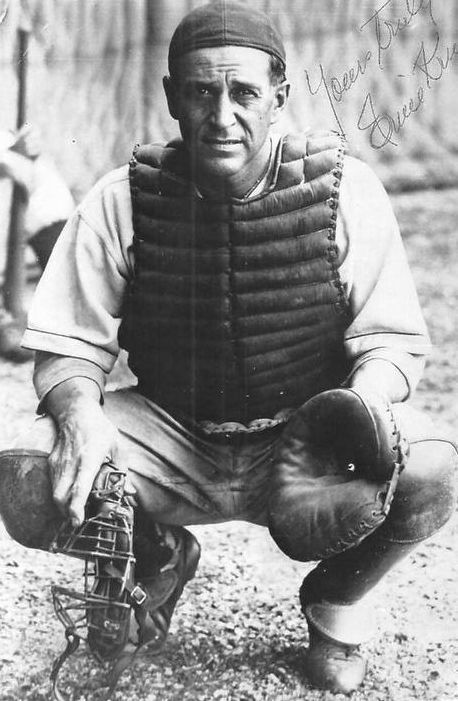
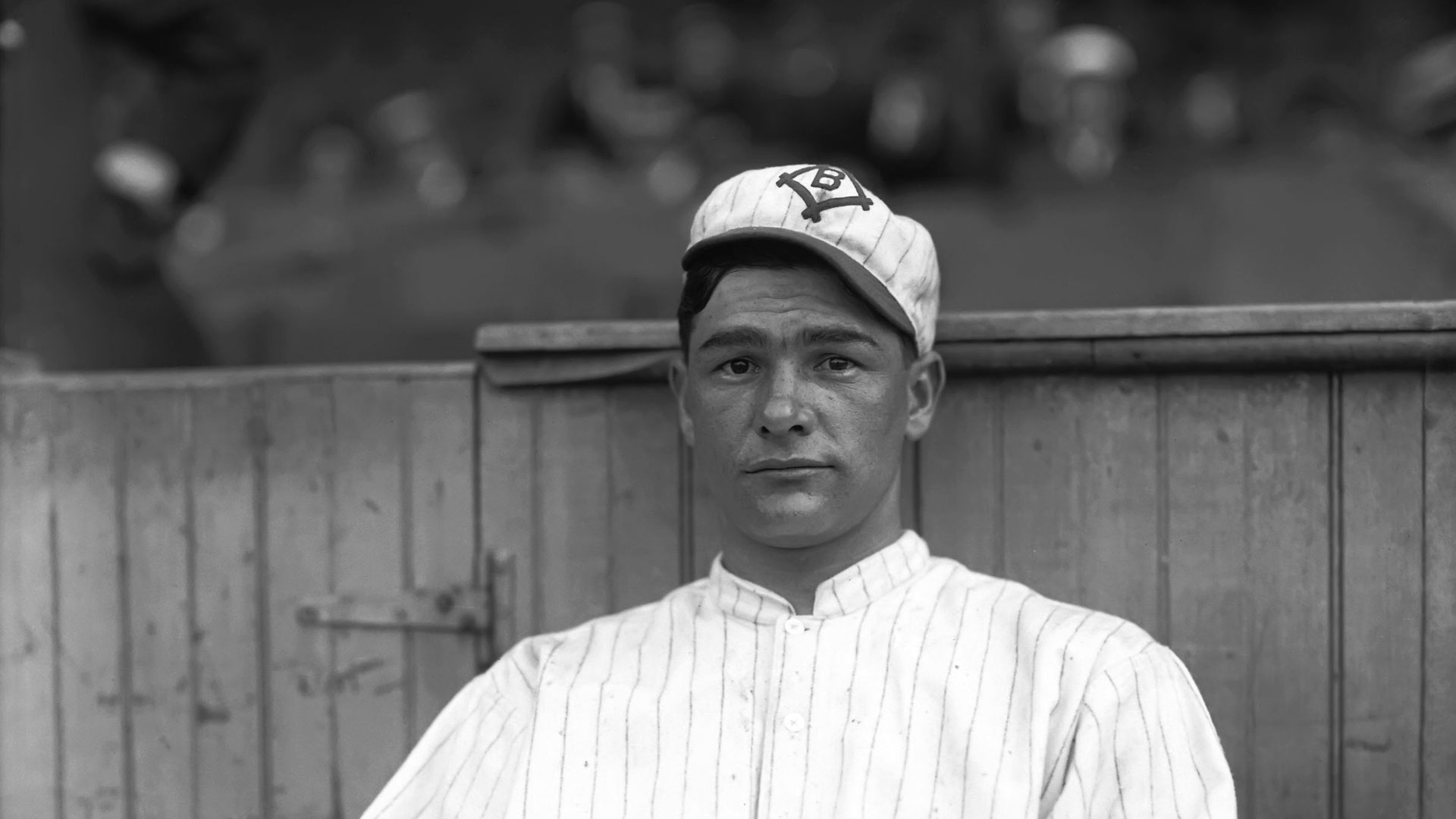
Boston responded with a run of their own in the bottom half of the sixth inning, tying the game at one run apiece. This was the only run the Braves would score, and it would prove to be the final run of the game. With one out, Braves right fielder Walton Cruise tripled off the Braves Field scoreboard, then scored on a single by third baseman Tony Boeckel. Shortstop Rabbit Maranville then doubled, but Boeckel was tagged out at home by Kreuger on a relay throw from Oeschger. The inning ended without a further scoring threat.
The Braves narrowly missed an opportunity to win the game in the bottom of the ninth. Rabbit Maranville led off with a single and moved to second on pinch-hitter Lloyd Christenbury’s sacrifice bunt. Christenbury was hit by the throw to first from Cadore, which put runners on first and second with no outs. Oeschger’s sacrifice moved both runners up to second and third, and an intentional walk to center fielder Ray Powell loaded the bases. Second baseman Charlie Pick then hit a hard ground ball to Ivy Olson at second, who tagged Powell running to second and threw to first to get Pick for the double-play.
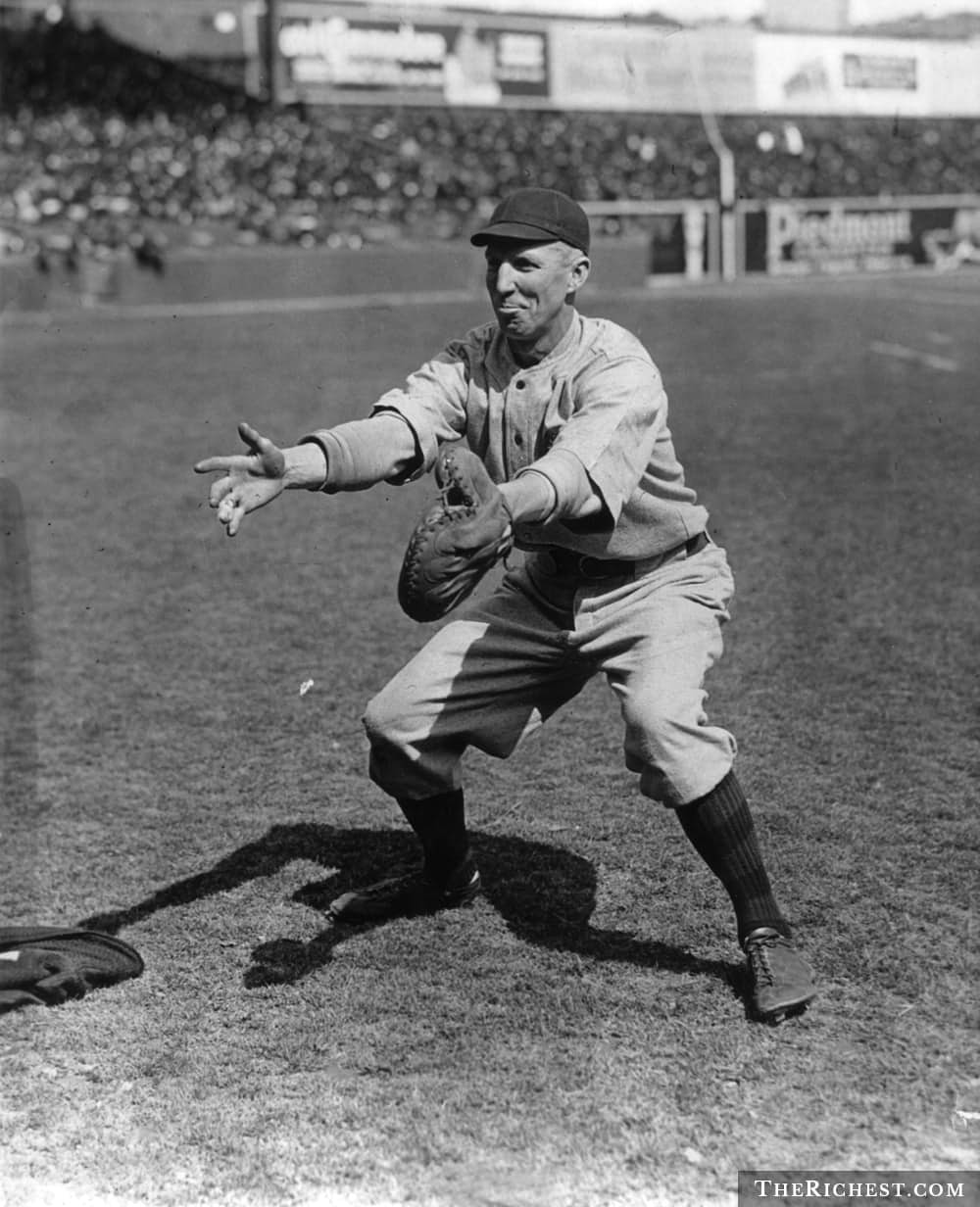
In the top of the seventeenth inning, left fielder Zack Wheat singled for Brooklyn to open the inning. Center fielder Wally Hood sacrificed Wheat to second, and first baseman Ed Konetchy singled, sending Wheat to third with one out. Shortstop Chuck Ward hit a ground ball to his counterpart, shortstop Rabbit Maranville, who threw to third in an unsuccessful attempt to catch Wheat off the bag. The bases were now loaded for Brooklyn with one out. Rowdy Elliot, who had replaced Kreuger at catcher, grounded back to Oeschger, who threw home for the force-out of Wheat. Braves catcher Hank Gowdy then threw to first for the double play on Elliot, but his throw was wide, and first baseman Walter Holke, unable to field the ball cleanly, could only knock it down. Seeing this, Konetchy broke for home. Holke scrambled for the ball and threw to Gowdy at home, but his throw was also wide. Gowdy was able to make the catch and, with a leap and a full stretch, placed the tag on the sliding Konetchy to complete a spectacular game-saving double play. Oeschger would later comment that “Gowdy’s dive saved my neck!”
By the twenty-sixth inning, outfielders and batters alike were starting to complain that they couldn’t see the ball. Dark clouds had persisted throughout the afternoon, and during the final innings, a misting rain had returned. Home plate umpire Barry McCormick and field umpire Bob Hart met with both managers – Brooklyn’s Wilbert Robinson and Boston’s George Stallings – and after a brief discussion decided to halt the game. When the announcement was made to the fans, it was met with boos from the few who remained. This sentiment was also expressed by Brooklyn’s Ivy Olson, who wanted the game to continue one more inning to secure the bragging rights that the teams had played three full nine-inning games in one contest.
The game ended in a 1-1 tie at 6:50 p.m., 3 hours and 50 minutes after it began. Think about that for a moment. The teams played twenty-six innings – almost three complete games – in 3 hours and 50 minutes! That alone has to be some kind of record. In 2019, there were 154 nine-inning games played that went 3 hours and 50 minutes or longer.
Fortunately, Daylight Saving Time began that day, giving the teams an additional hour of daylight. Had the game been played the day before, a 26-inning game would not have been possible. Future Hall of Famer Zack Wheat, pleased that the game had mercifully ended, said: “I carried enough lumber to the plate to build a house today!” The amount of lumber notwithstanding, only three baseballs were used the entire game.
Ron Christensen
REFERENCES:
SABR – An Extreme Exercise in Futility, by Warren Corbett
Wikipedia – MLB’s Longest Game
SB Nation – They Played 26 Innings and Nobody Won, by Al Yellon
MLB.com – The Longest Games in MLB History
Photo Credits: All found on Google search
Subscribe to Baseball History Comes Alive. FREE BONUS for subscribing: Gary’s Handy Dandy World Series Reference Guide. https://wp.me/P7a04E-2he
Visit the Baseball History Comes Alive Home Page




Thank you, Ron, for your nice description of the 26-inning game. As a matter of fact, I mentioned this game to a couple of friends who I was eating dinner with just a couple of days ago. As a baseball history buff, I knew a number of things about the game, of course, but not all of the details you included, especially the details of the ninth inning and the comparison to the 154 nine-inning games in 2019 that were longer in terms of time.
Thanks, Len! Really glad you enjoyed it. In addition to the timing of the game, another point that really impressed me was that they used only three baseballs the entire game. I know this was typical of the era, but today we’re so used to seeing games where three (or more) balls are used before the top of the first is completed.
I agree with Len.
I forgot a lot of the details and some of the HOF players that participated in that game.
Thanks, Ron.
Thanks Paul. Really glad you liked the essay. Interesting fact: Gary published this essay on 6/23, which coincidentally is the anniversary date (1981) of the completion of the longest minor-league game ever played (33 innings), a game that began but was suspended earlier in April. In that game, the Pawtucket Red Sox beat the Rochester Red Wings 3-2. As Gary is a baseball historian and enjoys baseball trivia and oddities, I wonder if he planned it that way? Hmmm!
Wish I could say yes to that Ron…but no!
Yes. If you remember, the game originally started in April on Easter Eve. Because of a lack of curfew rules in the International League and the fact that they couldn’t reach the President of the IL to see if they could suspend, the game ended early in the morning on Easter after 4 AM.
In between MLB went on its first in season strike and the minors were the only game in town.
The build up to the game was unbelievable and every media outlet attended the resumed game.
It lasted less than an inning when Dave Koza hit the winning RBI.
It’s unbelievable that two future HOF’ers played in that game-Wade Boggs and Cal Ripken, Jr plus other really good future MLB players-Marty Barrett and Bruce Hurst on the Sox side and I’m drawing a blank for Rochester.
A great book by Dan Barry titled, “Bottom of the 33rd” is a fascinating, detailed read of the game and all the suspense during the interval of the resumption and the aftermath.
Great insight, Paul. A lot of great details on the game I never knew. I’ll have to check out the book you mention. I believe Mike Boddicker played for Rochester as well.
Ron,
I remember the day really clear. It was the first time visiting the Hall of Fame.
I remember the news of the day because it was when Israel destroyed Iran’s nuclear reactor-talk about the more things change the more they stay the same.
In sports, John McEnroe in some major tournament berated the referee or line judge- one of the many times he was a complete jerk. Locally, in Central NY, tornado warnings forced the postponement of a local minor league baseball we were scheduled to go to; turns out it was a false alarm as by game time it was the perfect summer night.
It’s amazing what you remember 45 years ago from memory and yet, I don’t remember what I did the other day.😆…Ah, memories!