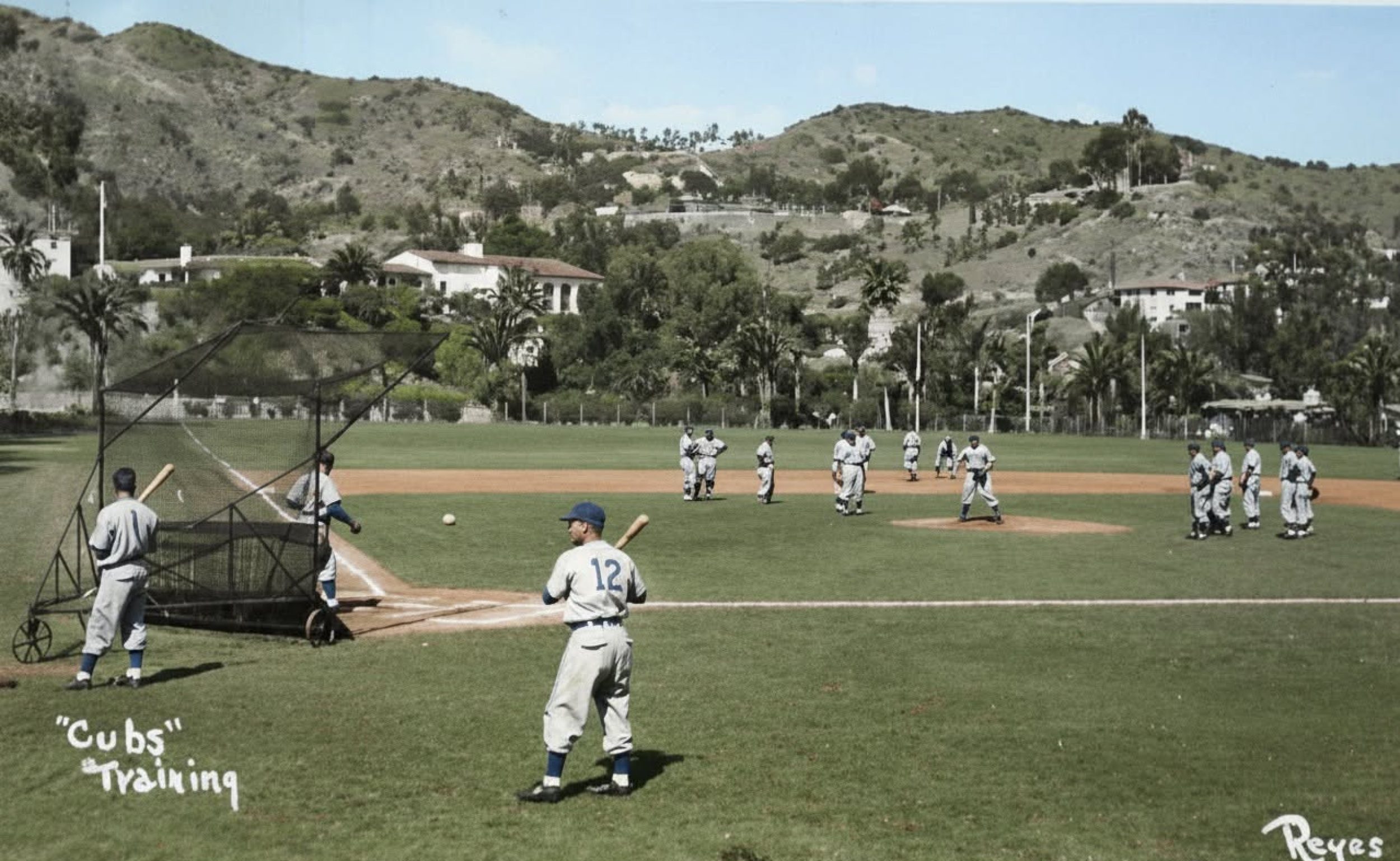
Panoramic Photo Above:
Cubs Spring Training on Catalina Island
Baseball History Comes Alive Now Ranked As a Top Five Website by Feedspot Among All Baseball History Websites and Blogs!
(Check out Feedspot's list of the Top 35 Baseball History websites and blogs)
isit the Baseball History Comes Alive Home Page
Subscribe to Baseball History Comes Alive
Free Bonus for Subscribing:
Gary’s Handy Dandy World Series Reference Guide
Most of us are familiar with the Blue Laws that prohibited sales of alcohol in the early 20th century. But how many know that the Blue Laws also forbade playing baseball on Sundays? Ron Christensen provides us a nice review of how these laws affected the early game. I found it interesting, and I think you will too. -GL
BLUE LAW BLUES!
BRIDGEPORT BASEBALL TEAM ARRESTED . . . AGAIN!
Recidivism is a legal term referring to an individual’s relapse into criminal behavior, essentially the tendency of someone convicted of a crime to offend again in the future. Well, in the summer of 1913, the Bridgeport Mechanics, a minor league baseball team, did exactly that. Players, manager, an umpire, and even a ticket seller were all taken into custody pursuant to warrants issued for their arrests. Following a trial in the Court, all were found guilty by a judge who imposed a $15.00 fine on each defendant.
So, did the Mechanics, et al, learn their collective lesson? Perish the thought! Three days after the fines were levied, they went out and did it again. And they did it again after that. So what did these hardened criminals of baseball do to warrant so much fuss with the law? They violated Connecticut’s longstanding “Blue Laws” by playing baseball on Sunday.
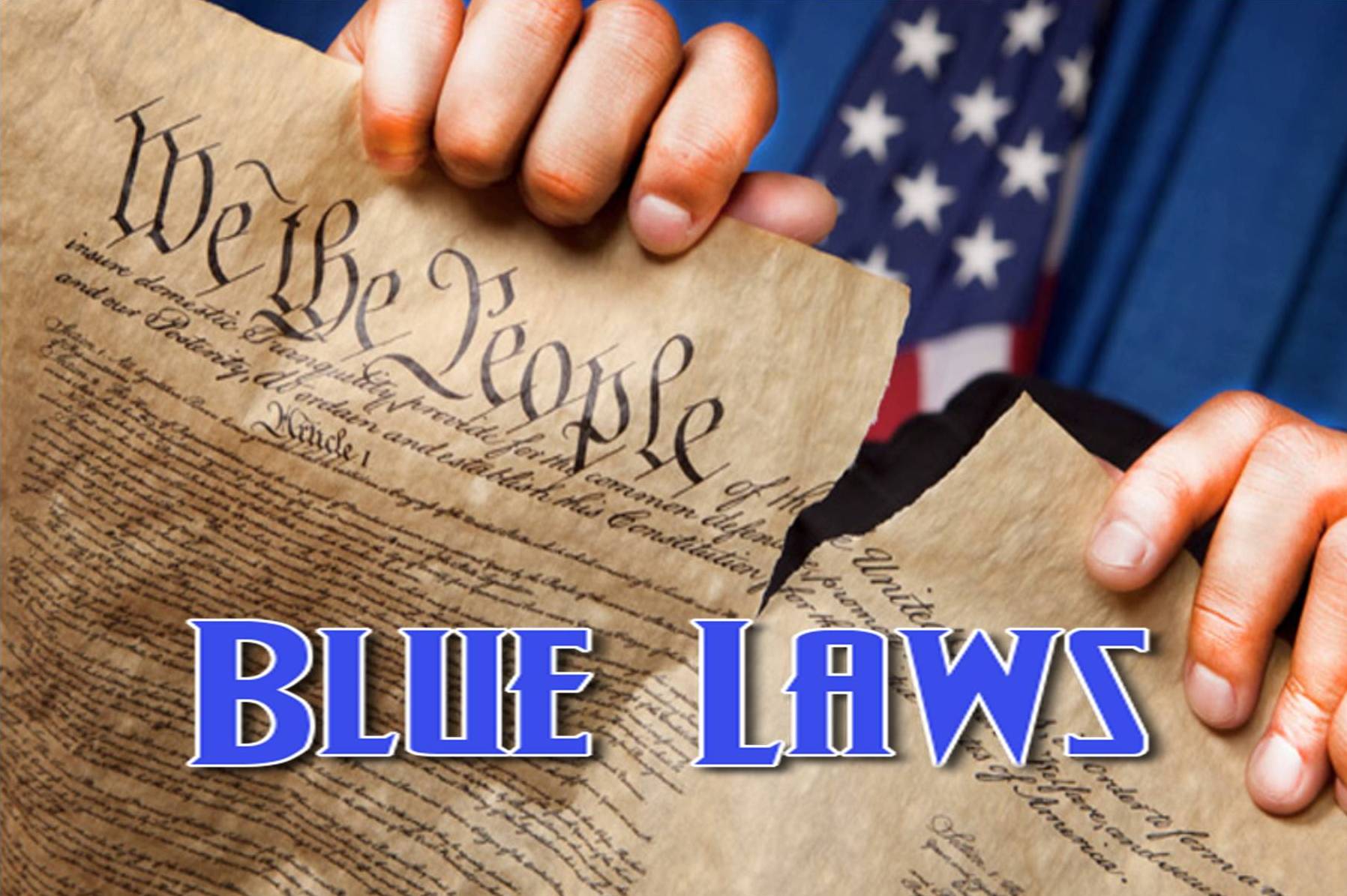
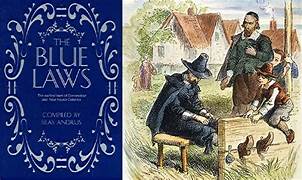
Blue Laws have been a part of our governance since Colonial times. Often referred to as ‘Sunday Laws,’ Blue Laws were originally adopted to serve a religious purpose, specifically to promote the observance of the Christian day of worship – Sunday. In doing so, Blue Laws restricted or banned many recreational and business activities from taking place on Sunday. Intended to enforce a Puritan view of morality, Blue Laws were arguably harsher in Colonial Connecticut, where Puritanism was sometimes too Puritanical even for Puritans.
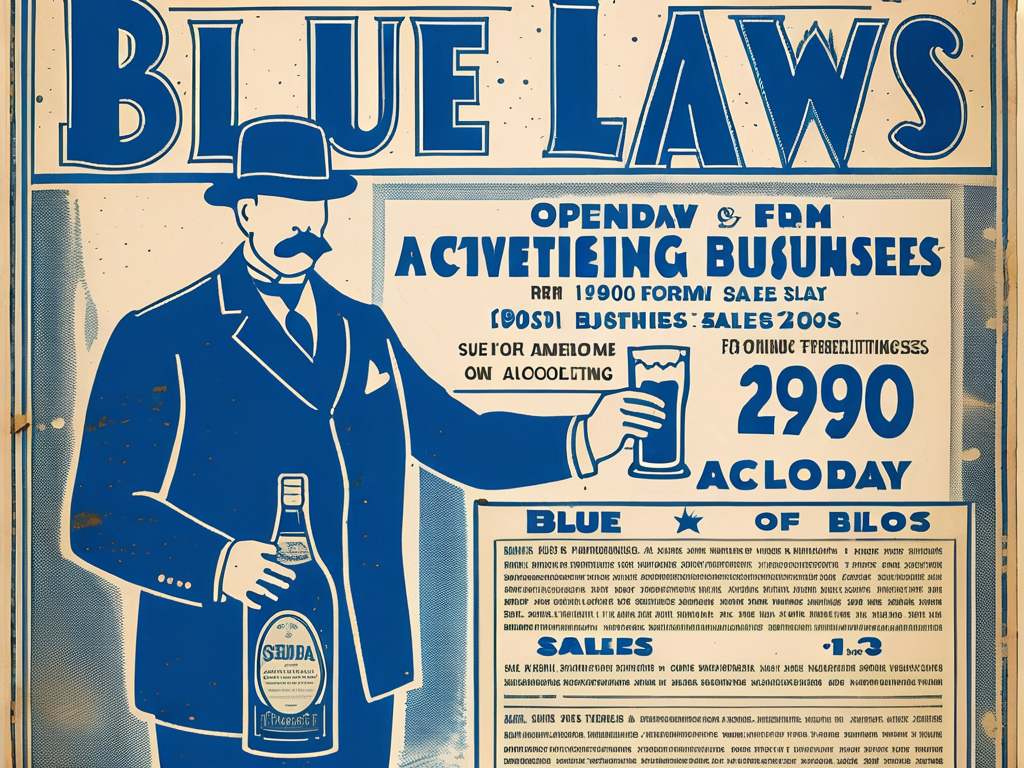
Fast forward to 1913 and the continued grip of Blue Laws on Sunday baseball long after the Colonial Era had ended. With the dawn of the new century, the passing of the Gilded Age, and the influx of immigration that brought many non-Protestants to our shores, people looked at Sundays in a whole new light. Many continued to reserve the morning hours for church and worship, but come afternoon, it was time to play baseball. To quote Bob Dylan, “the times they are a changin’.”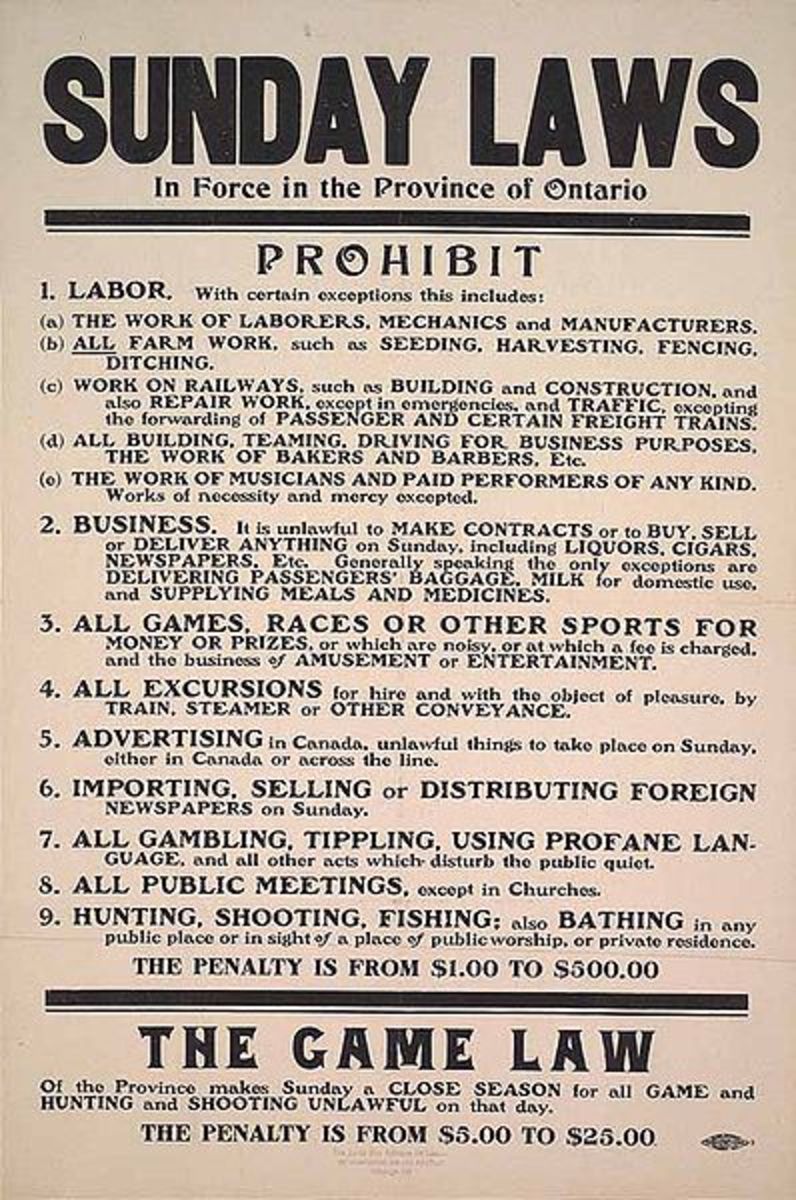
But alas, throughout Connecticut, there still existed clusters of pious Yankee traditionalists who maintained a steadfast, albeit blind, adherence to the sanctity of Blue Laws. None of these was more formidable than Bridgeport’s Pastors Association. Sunday baseball was simply too much for them to bear, so they assumed the mantle of torchbearer in leading the charge of enforcing the Blue Laws to prohibit the exhibition of commercial sporting events on Sunday.
The Pastors presented their complaints to the Bridgeport States Attorney, who seemed more of a baseball fan than expected and less enthusiastic in pursuing arrest warrants than anticipated. Undeterred, the Pastors hired a private detective to attend the Mechanics Sunday games. After witnessing (and enjoying) a few of these, the detective submitted a written report confirming the playing of baseball on Sunday, and included within the names of those who participated. The Pastors, with report in hand, again approached the States Attorney, and this time warrants were issued, and arrests were made.
The prosecuting zeal (sarcasm emoji here) of the States Attorney was clearly evident in his remark made during trial that he thought it was better “to have the public witnessing a baseball game than participating in card playing where profanity and immorality prevail.” When, after their first conviction, the Mechanics dared to play Sunday ball again, and then did so again after a second conviction, it became necessary for the irate Pastors to lodge their complaints with the Bridgeport Police Chief, as the States Attorney was no longer viewed as an ally.
The Mechanics, a minor league team loosely affiliated with the New York Yankees because their manager, Gene McCann, was a former Yankees scout (the name ‘Mechanics’ was derived from the name ‘McCann’), were one of many such baseball teams challenging the logic and utility of the Sunday Blue Laws and their application to commercial sporting ventures. But the winds of change were slow to arrive. It wasn’t until 1921 that the Connecticut General Assembly approved a bill allowing Sunday recreation, one that was promptly vetoed by the Connecticut Governor, calling it “one of the greatest menaces to the stability of the nation!” Finally, in 1925, under the leadership of a new and more enlightened Governor, Connecticut finally enacted a law permitting commercial sporting events, including baseball, to be played on Sunday.
The Bridgeport Mechanics, a team of dedicated minor leaguers who never won a championship, nonetheless championed the cause of Blue Law reform. They placed themselves in the crosshairs of the legal system in an effort to promote and expand America’s baseball pastime in early 20th-century Connecticut.
Ron Christensen
REFERENCES:
- Today In Connecticut History, by Walt Woodward
- Wikipedia: Connecticut Blue Laws
- Wikipedia: Blue Laws
Photo Credits: All found on Google search
Subscribe to Baseball History Comes Alive. FREE BONUS for subscribing: Gary’s Handy Dandy World Series Reference Guide. https://wp.me/P7a04E-2he
Visit the Baseball History Comes Alive Home Page




Interesting!!
Thanks
Thanks Pete. Much appreciated.
Gotta love the posters. Sunday professional baseball could not be played in Pennsylvania until 1933. Amazing what impact a Great Depression can have on common sense. Great job on an interesting topic.
Thank you Vince. I appreciate your input. And I agree, Gary does a marvelous job finding just the right images to truly enhance the essay.
Great story, Ron.
Sunday blue laws applied in Massachusetts that did not allow baseball on Sundays until 1928. Even then, the stipulation was it had to be at least over 1,000 feet away from a church. Fenway Park was located less than that from a church. This lead them to rent out Braves Field for their Sunday games from 1929-1932. Rules were loosened after that year which allowed the Sox to play Sunday games.
When lights were installed in the late 40’s, games played on Sunday had to be suspended once twilight approached as no night baseball was allowed. That is, until 1954 when another law amended it so games started in the daylight could turn the lights on to finish games. However, night baseball games could not be scheduled!
Charles Bevis wrote an entire book on Sunday baseball that thoroughly covered the
prohibition. Very different times, to say the least.
Thank you Paul. Great comments on the Massachusetts Blue Laws and their impact on Fenway Park even after they were repealed. I never realized this lasted until 1954 – that was a complete surprise to me. I’m grateful for the insight, and for the mention of the book. I’ll have to look it up.
Ron,
One of the interesting pieces of trivia is that Rocky Point in Rhode Island did not have blue laws in the late 1890’s .
They had baseball grounds where many professional teams played there on Sundays. In fact, the Red Sox (then known as the Americans) played an in-season game against the Philadelphia A’s in 1903.
In 1914, Babe Ruth, still with the Providence Greys pitched against the Chicago Cubs in an exhibition game there in 1914.
Really interesting info! Thanks, Paul. I never knew this. I’m grateful for the insight.
Ron,
From your essays, it would appear you are a New Englander. Am I correct?
Paul – sorry if this is out of sequence. Didn’t see a “reply” button to your latest post. Yes, you are correct. I’m a New Englander. In Connecticut, actually. I’m guessing you are a northern neighbor, in Massachusetts?
Ron
Originally from Lowell, Mass., but have lived in NH for 47 years now. Still pretty central- less than 60 miles to Boston and within a half hour drive to a Double A team and three collegiate wooden bat summer leagues, which beats nothing on a summer evening.
Paul – agreed, baseball is a great way to spend a summer evening. We have a Double-A team not far from me as well – the Yard Goats. Gotta love the names of minor league franchises! I had season tickets the first two years the team played here, but with work commitments I usually gave these away, so now I just attend individual games here and there.
Enjoy the season. All the best to you in the Granite State!