Panoramic Photo Above:
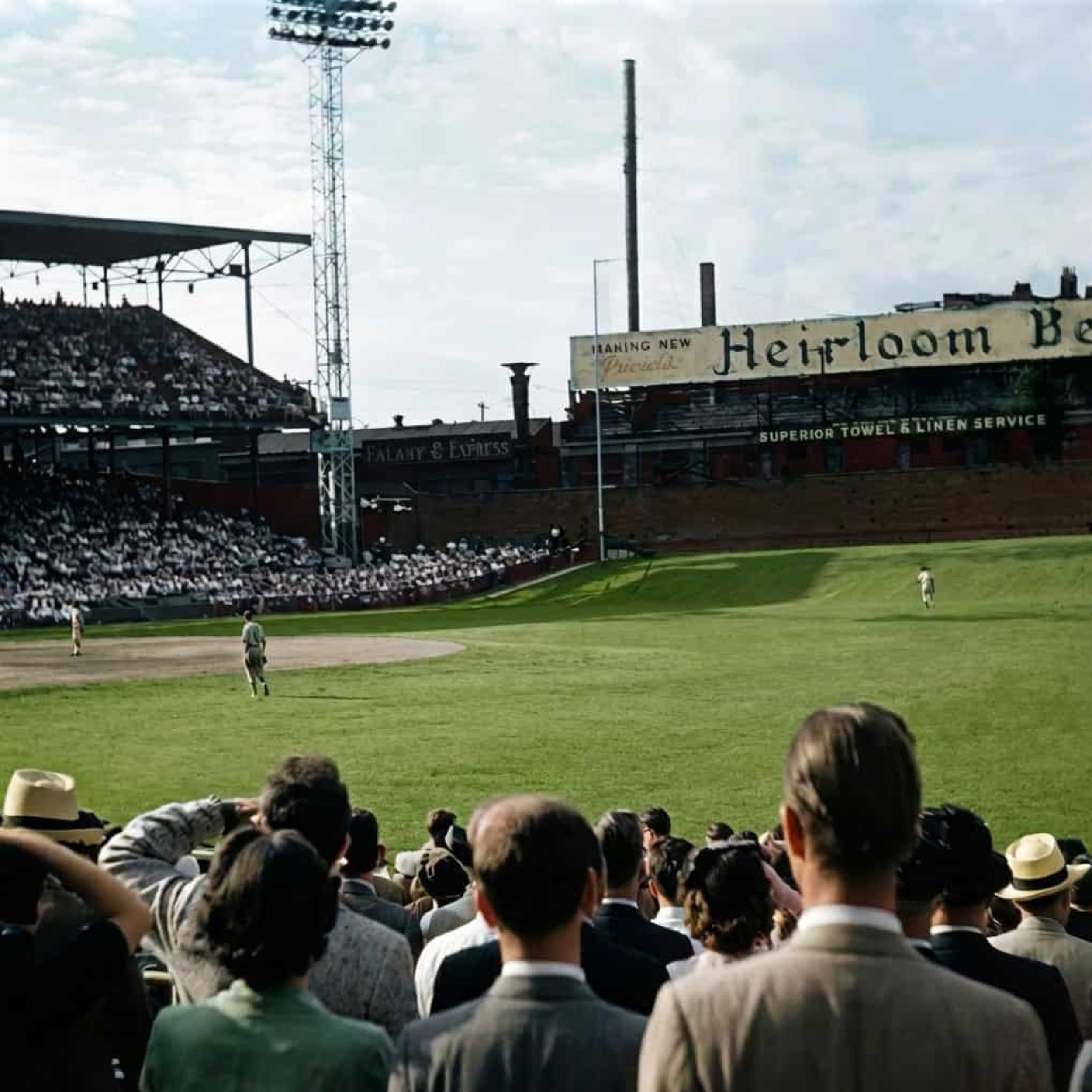
Crosley Field, Cincinnati
Baseball History Comes Alive Now Ranked As a Top Five Website by Feedspot Among All Baseball History Websites and Blogs!

(Check out Feedspot's list of the Top 35 Baseball History websites and blogs)
Visit the Baseball History Comes Alive Home Page
Subscribe to Baseball History Comes Alive
Free Bonus for Subscribing:
Gary’s Handy Dandy World Series Reference Guide
Book Review
One Day in September: Baseball, Brotherhood, and the Birth of the All-Star Game
By Scott D. Reich
Reviewed by Gary L. Livacari
Try to imagine the scene today: A popular sportswriter passes away unexpectedly at the relatively young age of 65 in February before the start of the baseball season. In addition to all of the usual tributes and accolades highlighting the writer’s many contributions to sports journalism, the entire baseball world basically comes to a halt seven months later in September, as many of the game’s greatest stars voluntarily interrupt their regular seasons to play in a benefit game for the deceased writer’s family.
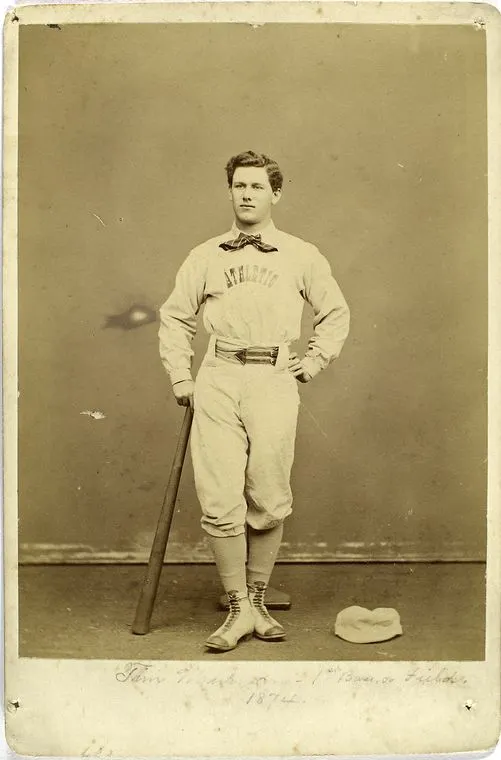
That’s exactly what happened after Tim Murnane passed away on February 7, 1917. But to characterize Tim Murnane as merely a “popular sportswriter” would be a severe disservice to the legacy of a man who devoted over 50 years to the game he loved: as a major league ball player, an umpire, a league executive and owner, a scout, and later, the premier sportswriter and sports editor for the Boston Globe. Such was his reputation that he earned the moniker, “the conscience of baseball.” He was once described as a “prince” and as “the game’s most respected authority and beloved icon” (1). While not a great ballplayer, “his booming voice and inspiring personality helped him make friends everywhere he went” (2).
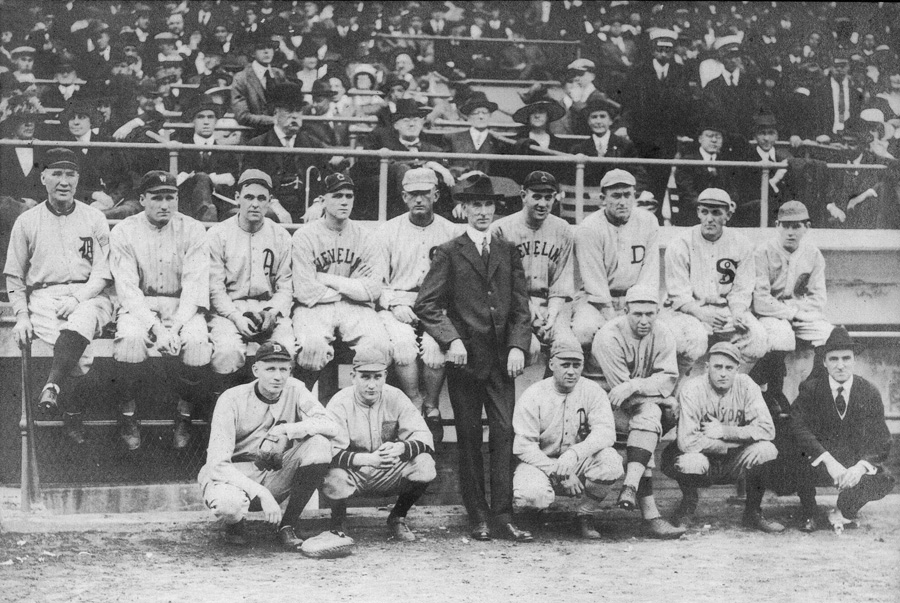
(In the featured photo, we see the Tim Murnane Benefit Game All-Stars; player identifications available upon request)
The book, One Day in September: Baseball, Brotherhood, and the Birth of the All-Star Game, by author Scott D. Reich, gives a vivid account of the life and times of Tim Murnane and the September 27, 1917, Tim Murnane Benefit Game held in his honor at Fenway Park. I had been vaguely aware of Tim Murnane and the benefit game, but until I read Scott Reich’s book, I had no idea of its significance to baseball, momentarily uniting rivals for a good cause, and serving as a precursor to the first All-Star Game, played in 1933 at Comiskey Park.
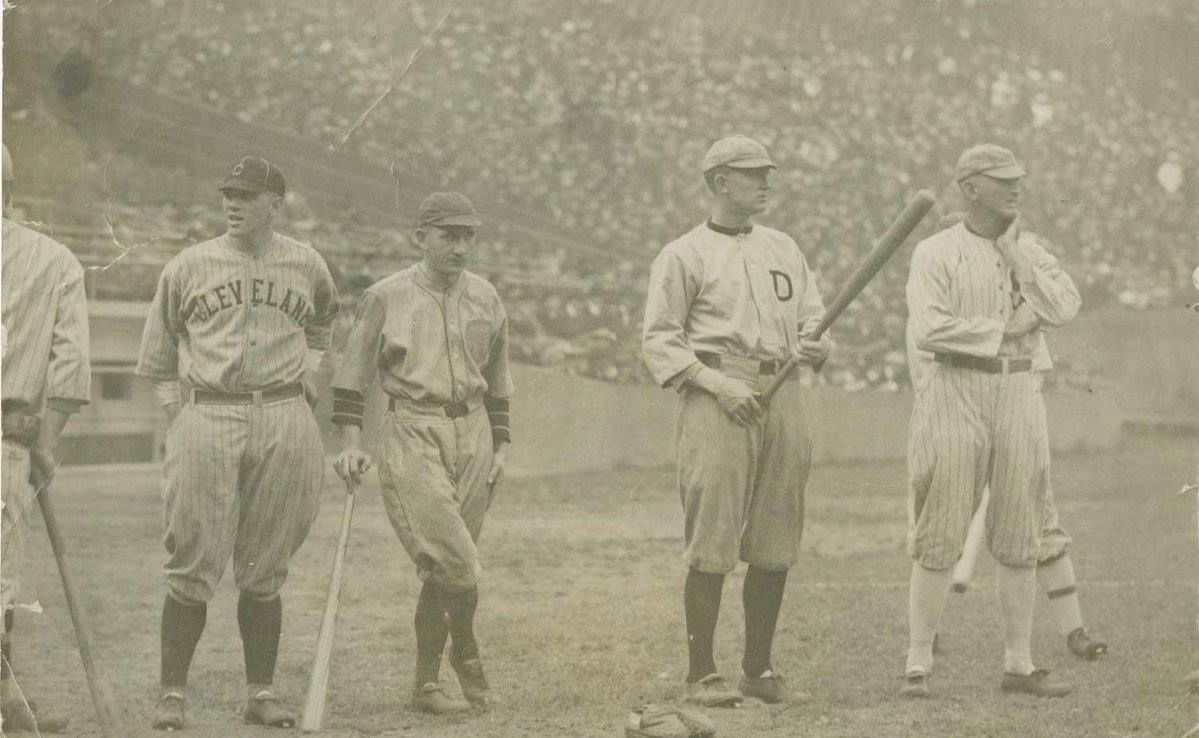
The game – along with a memorial fund established by the American League and the Baseball Writers Association of America (BBWAA) – pitted the defending 1916 World Series champion Boston Red Sox against a roster of selected All-Stars. The box score’s list of participants reads like a compendium of baseball royalty: Future Hall of Famers Babe Ruth, Tris Speaker, Ty Cobb, Shoeless Joe Jackson, Walter Johnson, Rabbit Maranville (the only National Leaguer to make an appearance). Legendary Connie Mack, wearing his familiar suit and tie, served as the All-Stars’ manager, while Hughie Jennings coached from the baselines. Other participants included star players Duffy Lewis, Buck Weaver, Ray Chapman, Wally Schang, Bob Sharkey, Urban Shocker, Stuffy McInnes and Dick Hoblitzel. Future Hall of Fame umpire Tom Connolly was behind the plate.
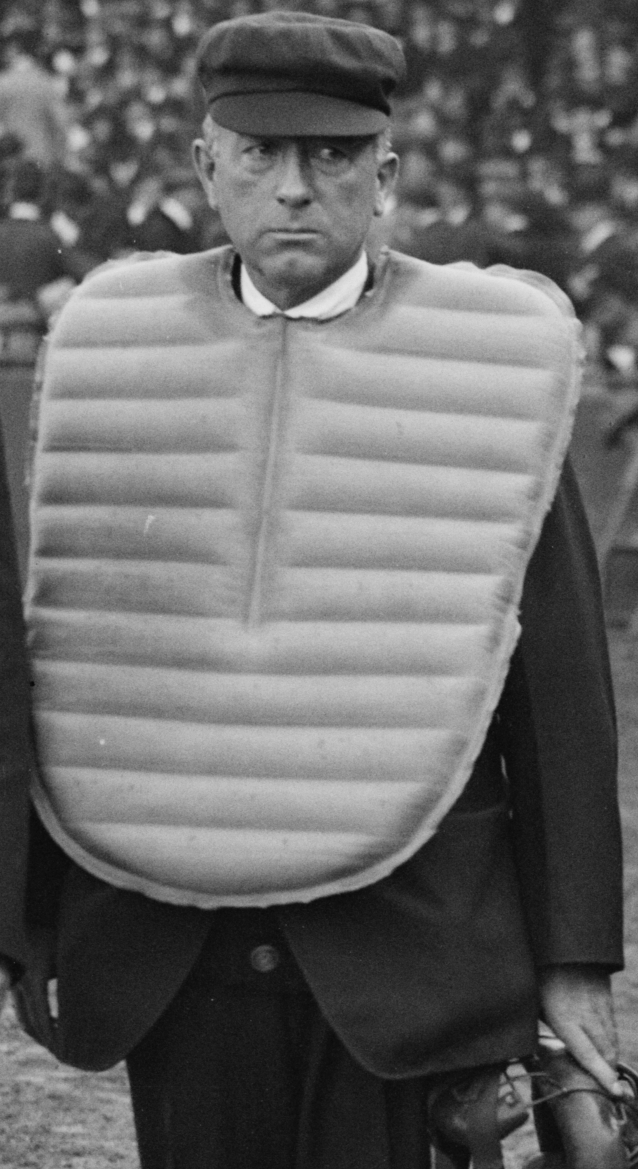
Over 17,000 fans attended the game and over $15,000 was raised for the widow and four children – a significant sum in the days before pensions, Social Security, and IRAs. In the author’s apt description, the game was played “…not for a pennant or a championship, but for something much quieter, nobler, and deeply American: a ballgame played for a cause” (3).
A native of Naugatuck, Connecticut, Tim Murnane was born on June 4, 1851, when baseball – and America – was in its infancy. By his own account, he was educated in a “one-room rural schoolhouse,” and later attended the College of the Holy Cross. Affectionately known as the “Silver King” due to his snow-white hair and bushy mustache, Murnane was a skilled athlete, playing four seasons in the National Association as a first baseman and center fielder; and, following the formation of the National League in 1876, he played for the Boston Red Caps, the Providence Grays, and finally the Boston Reds of the Union Association. During his eight-season major league career (1882-1890), he hit .261 with 426 hits, five home runs, and 130 RBIs. Highlights from his playing days include finishing fifth in the National Association batting race with an average of .359 in 1872 and leading the National Association with 30 stolen bases in 1875. As a scout, he was credited with signing Hall of Famer Hugh Duffy among many others (4).
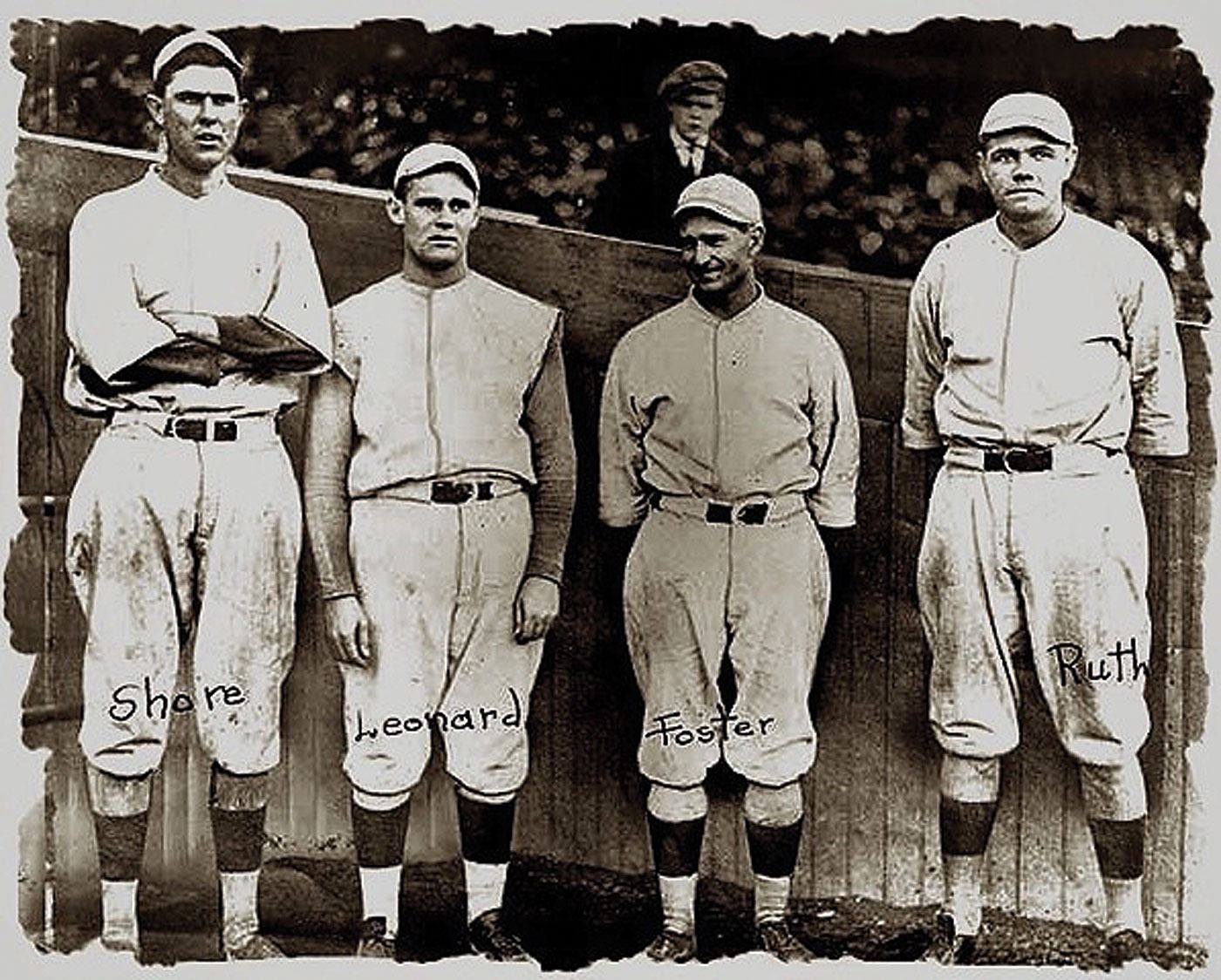
Tim Murnane was considered a pioneering sportswriter, helping to shape modern sports journalism. By the time he retired as an active player and commenced his thirty-year career at the Boston Globe, he had followed baseball through its earliest years and saw it evolve from a fledging, unorganized enterprise into the true national pastime. He wrote with authority because he had played the game himself and thus had the respect of the entire baseball world.
In the days long before mass media, influential newspaper columnists were the fans’ main source of information about the game. No voice was louder and more respected than that of Tim Murnane. It was while he was at the Globe that he left his most lasting impact on the game:
“As the longtime baseball editor of the Boston Globe, Murnane became one of the sport’s most passionate advocates and its steadiest internal critic, chronicling its rise with warmth, wit, and a stubborn insistence that the game’s honor mattered. He wrote not just about the box scores, but about the sport’s character – what it rewarded, what it excused, and what it ought to demand” (5).
Played in the long shadow cast by World War I, the Tim Murnane Benefit Game offered a moment of solace amidst a period of national distress. Although only an exhibition game, the event was part spectacle, part friendly – yet serious – competition with both sides giving their best effort. The day’s lighthearted festivities included actor and entertainer Will Rogers riding horseback around the park performing lasso tricks; comedian and actress Fanny Brice hawking programs in the stands; the Ziegfeld Follies chorus girls roaming the park collecting donations; and former heavyweight boxing champion John L. Sullivan coaching first base, comically barking out instructions to the Boston baserunners (6).
There was skill tests, including a speed contest won by Ray Chapman who circled the bases in 14 seconds; a throwing distance contest won by Shoeless Joe Jackson who uncorked a throw measured at 396 feet, eight inches, earning him an engraved silver bowl that he cherished for the rest of his life; and Babe Ruth, the starting pitcher for the Red Sox, thrilling the crowd by hitting a fungo 402 feet, farther and longer than anyone thought humanly possible. The game itself was an exciting, well-played pitching duel that remained scoreless until the eighth inning. Duffy Lewis drove in two runs with a two-out triple off Walter Johnson that proved to be the decisive runs in the Red Sox’ 2-0 victory over the All-Stars.
Tim Murnane “developed a loyal following with his easy-to-read, opinionated – yet always respectful – writing style; and he took advantage of his many relationships around the game to deliver in-depth coverage to his readers” (7). It’s hard to imagine a sportswriter of our generation generating such wide respect. Fifty-eight years after his death, in 1972, his fellow sportswriters bestowed upon him posthumously the J.G. Taylor Spink Award, along with an accompanying plaque in the National Baseball Hall of Fame.
Scott Reich is a gifted writer, and his book A Day in September is one that I would recommend to all students of baseball history. It’s a detailed, thoroughly researched look at the events surrounding the Tim Murnane Benefit game played on September 27, 1917, and provides a glimpse into the world of baseball and its accompanying slice of “Americana” as it existed in the late nineteenth century and the early decades of the twentieth century. Those of us who enjoy reading about the early days of the game we love will find this a valued addition to their baseball library.
Gary Livacari
(New to the baseball world, author Scott Reich is the acclaimed author of “The Power of Citizenship: Why JFK Matters to a New Generation.”
Quotes and Sources:
Coach Mike, Essay: The Tim Murnane All-Star Benefit Game, May 29, 2017 (quotes 1 and 2)
Baseball Reference. com, Tim Murnane page (note 4)
Reich, Scott D: One Day in September (quotes 3 and 5)
Tim Murnane Wikipedia page (notes 6 and 7)
Zerby, Jack SABR essay: September 27, 1917 All-Stars Turn Out for Tim Murnane Benefit
Photo Credits: All found on Google search
Subscribe to Baseball History Comes Alive. FREE BONUS for subscribing: Gary’s Handy Dandy World Series Reference Guide. https://wp.me/P7a04E-2he
Visit the Baseball History Comes Alive Home Page




Good story! Happy Fourth of July Gary!
Thanks Mark!
Great Review, Gary! Seems like a book worth reading. I believe something similar was done several years earlier for the family of Addie Joss after his premature passing. There, Cleveland played a fund-raising game against a collection of stars from the rest of the league, very much like happened here. And I believe that game was held in July, as is the All-Star game today.
Happy 4th!
Thanks Ron!
Yes,
The Joss All Star game occurred in 1911. Like the Murnane game, both were against the home team nine.
The Boston Globe did an extensive blurb in their Sunday Baseball notes column by Peter Abraham.on the Red Sox game.It included a sports cartoon by the famous Wallace Goldsmith. Take a look here:
https://www.bostonglobe.com/2026/07/11/sports/sunday-baseball-notes-all-star-game-1917-fenway-park/
Hope this isn’t a spoiler:
Top row, left-right: Hughie Jennings, Walter Johnson, Stuffy McInnis, Steve O’Neill, Joe Jackson, Ray Chapman, Ty Cobb, Buck Weaver, Willie O’Connor (mascot). Bottom row: Howard Ehmke, Rabbit Maranville, Connie Mack (in suit), Wally Schang, Tris Speaker, Urban Shocker, Tom Raftery (in suit).