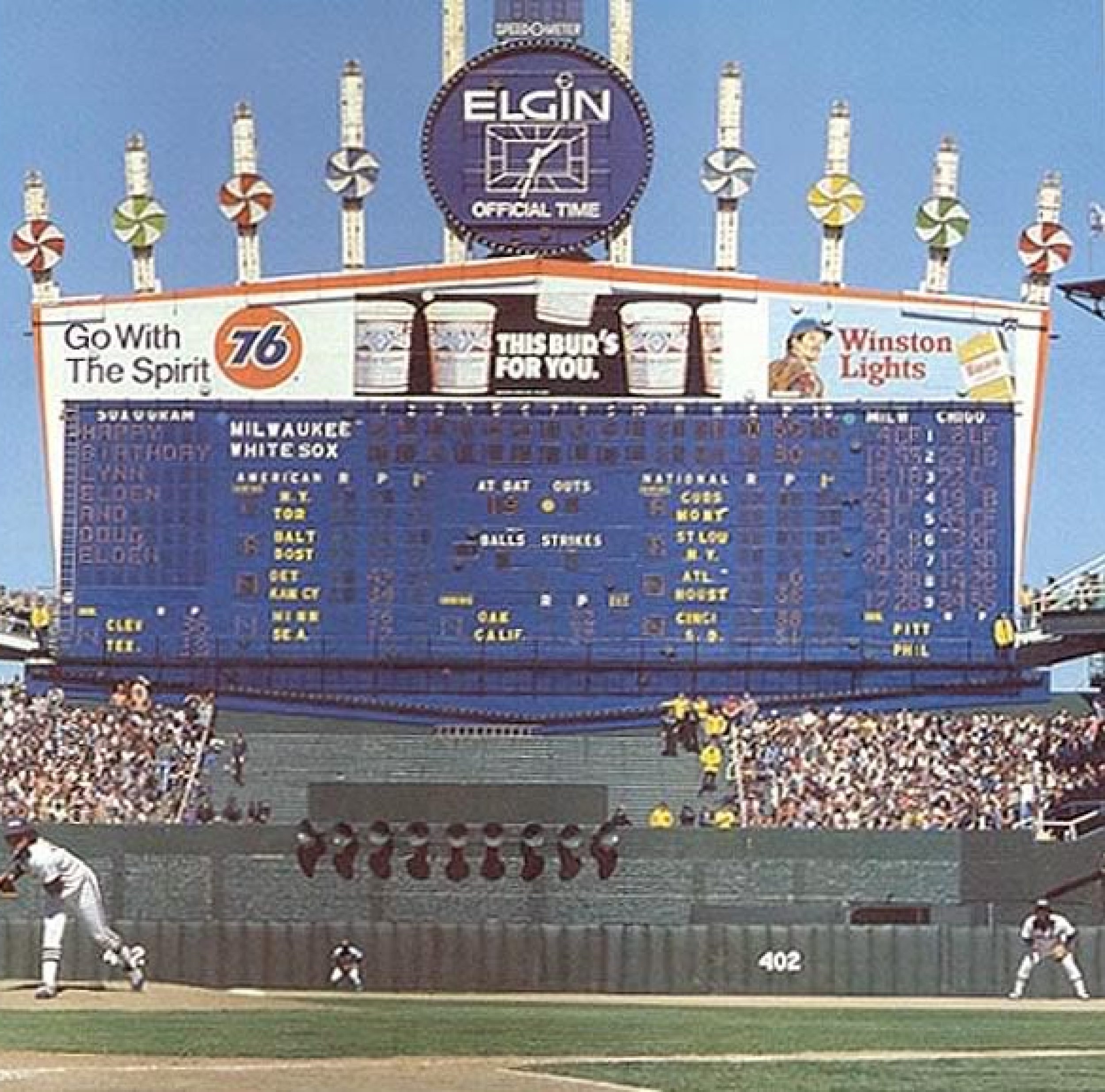
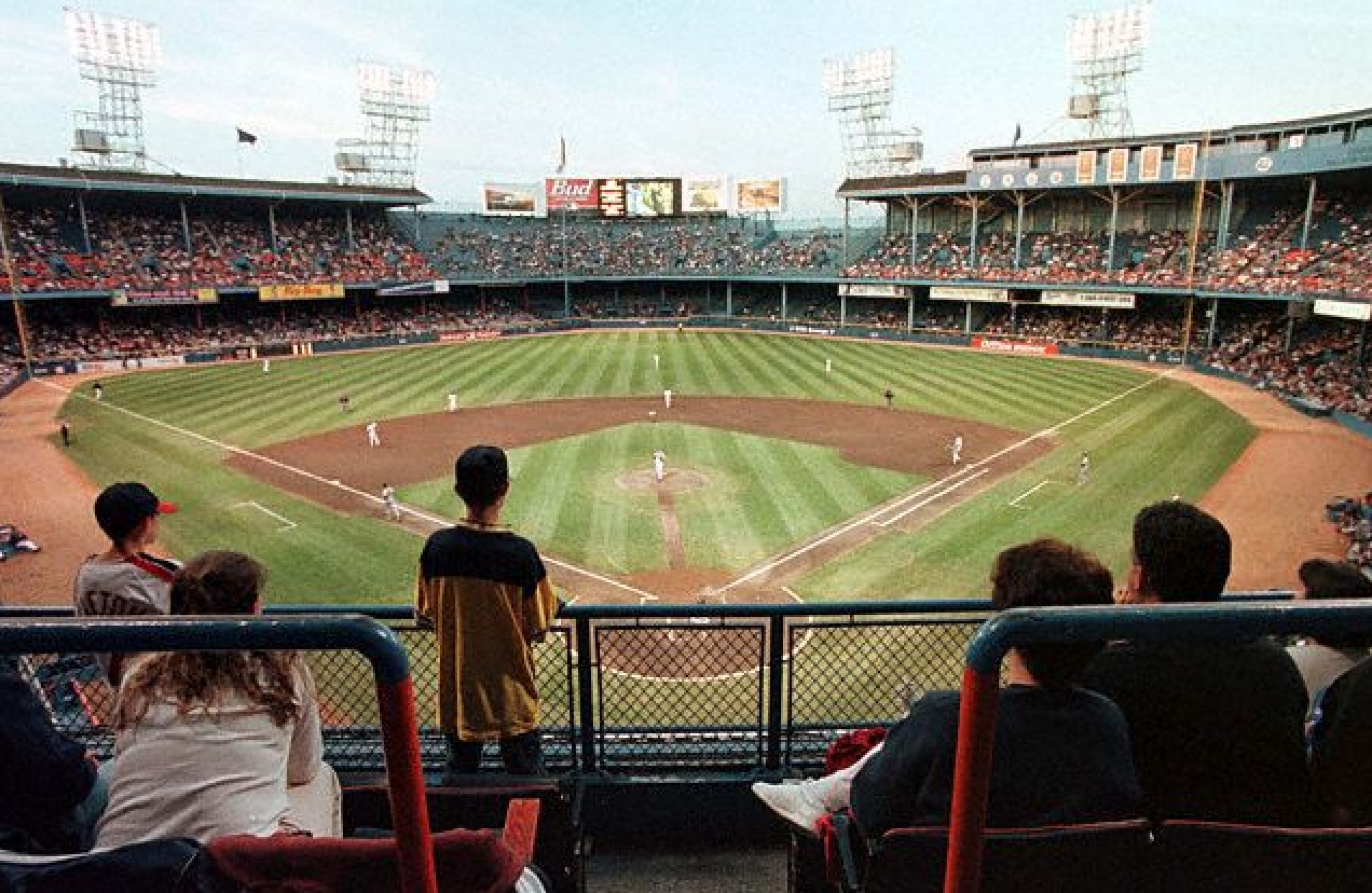
Panoramic Photo Above:
Comiskey Park, 1981
Baseball History Comes Alive Now Ranked As a Top Five Website by Feedspot Among All Baseball History Websites and Blogs!
(Check out Feedspot's list of the Top 35 Baseball History websites and blogs)
Guest submissions from our readers always welcome click for details
Visit the Baseball History Comes Alive Home Page
Subscribe to Baseball History Comes Alive
Free Bonus for Subscribing:
Gary’s Handy Dandy World Series Reference Guide
Today we have something a little bit different. We welcome Jack Harrington with an essay in which he attempts to capture what baseball, in its essence, means to us: that intangible “something” that we can’t really put into words, but we all know exists. I think everyone who grew up loving baseball will find something of interest in this essay. As I did, I think you’ll enjoy Jack’s essay. -GL
Chasing Rainbows
A reflection on baseball, memory, and the pursuit of youth
We recently gathered for a reunion of the 1966 Los Angeles County tournament team, the team for which I pitched back-to-back no-hitters. Much of the occasion was devoted to honoring our coach, Fred Peritori, now 85 years old. We presented him with a plaque recognizing his passion for the game and the commitment he made to us as players. We wanted him to know that his influence had lasted far beyond the baseball field.
What struck me most was not the plaque or even the reunion itself. It was Fred’s response.
His memory of that team, and of the individual players who made it what it was, remains remarkable. As he looked around the room, he recalled the tournament, the games, and the young men we had been. In his short acceptance speech, which I came to think of as Chasing Rainbows, Fred told us something that stayed with me. When he sees our faces and remembers those days, he feels young again. When he spends time with us, he said, he returns home feeling ten years younger.

We had come to honor him. Yet Fred spoke as though he were the fortunate one, grateful that he had been allowed to share that experience with us.
I began thinking about baseball itself. At its purest, baseball is a child’s game. A bat, a ball, a patch of grass, and the possibility that something wonderful might happen. Before we know anything about contracts, statistics, standings, or the business of professional sports, we know the simple pleasure of playing. We want to be at the plate when the game is on the line. We want the ball hit to us. We want to make the play, get the hit, win the game, and have our teammates waiting for us when we cross home plate.
Years later, I watch grown men play that same game at the highest level. I see major leaguers leap into one another’s arms after a championship, embracing, shouting, sometimes crying. Men who have spent their adult lives competing against the best in the world suddenly look like boys again. They grab one another, pound backs, and express a kind of affection that the ordinary routines of adult life don’t always make room for.

Why does a game have that power?
Perhaps baseball allows us to return, if only for a moment, to a time before life complicated us. Childhood and adolescence are not entirely innocent, of course. They have their own disappointments, anxieties, and heartaches. But there is something about those early years when the world still seems open, when our dreams have not yet been measured against what life will allow. We play because we love to play. We imagine what we might become. And for a few hours on a baseball field, the possibilities seem endless.
Then life moves forward. Responsibilities accumulate. We work, raise families, suffer losses, make compromises, and learn that not every dream comes true. We grow older, perhaps a little more guarded, perhaps a little less willing to show the feelings we once expressed without embarrassment.
But baseball remains.
A reunion brings us back together, and suddenly we are no longer simply men in our seventies and eighties. We are the players who shared a dugout, the teammates who trusted one another, the boys who wanted to win and who believed that the next game might be the most important game of our lives. The years haven’t disappeared. We know that. But for a little while, we can feel the presence of those younger selves.
That is what I heard in Fred’s words. He wasn’t merely remembering a baseball team. He was returning to a part of his life that remained alive inside him. And in remembering us, he was able to find again something of himself.
I call it Chasing Rainbows because we all know we cannot catch one. We can see it, admire it, follow it with our eyes, and wish we could reach the place where it touches the earth. But it will always remain just beyond our grasp.
Youth is much the same. We cannot go back and become the boys we once were. Time moves in only one direction, and no reunion, no photograph, and no championship can change that. Yet we keep chasing the rainbow, drawn by the promise of the pot of gold at its end.
Perhaps the gold is not youth itself. Perhaps it is what youth left behind: the friendships, the memories, the lessons, the coaches who believed in us, and the feeling of belonging to something larger than ourselves.
At our reunion, we thought we were giving Fred Peritori a tribute for what he had done for us. His words suggested that the gift had always gone both ways. He had helped shape our lives, but we had helped give meaning to his, too. Decades later, the experience still belonged to all of us.
We cannot catch the rainbow. We cannot recover the years.
But sometimes, gathered around a table with old teammates, listening to a coach remember who we were, we can stand beneath it again.
And for a little while, that is enough.
Jack Harrington, DDS
Photo Credits: All found on Google search
Subscribe to Baseball History Comes Alive. FREE BONUS for subscribing: Gary’s Handy Dandy World Series Reference Guide. https://wp.me/P7a04E-2he
Visit the Baseball History Comes Alive Home Page




Great article, Jack. I really enjoyed it as it took me back to childhood baseball on vacant lots with no adults present. But I, too, had the benefit of adult coaches like Fred in organized baseball. I remember them and cherish what they voluntarily provided.
Great insight, Jay…thanks!