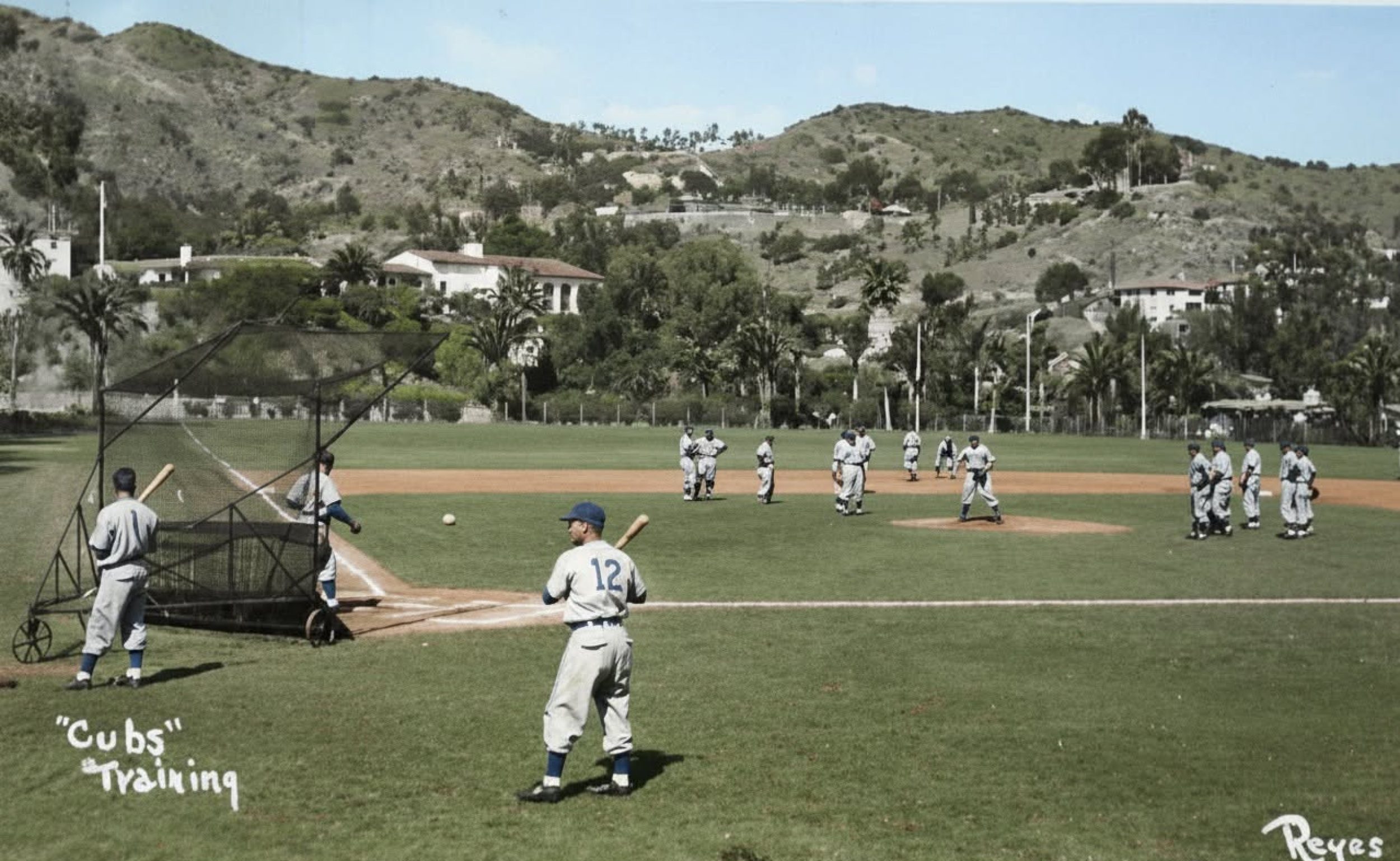
Panoramic Photo Above:
Cubs Spring Training on Catalina Island
Baseball History Comes Alive Now Ranked As a Top Five Website by Feedspot Among All Baseball History Websites and Blogs!

(Check out Feedspot's list of the Top 35 Baseball History websites and blogs)
Visit the Baseball History Comes Alive Home Page
Subscribe to Baseball History Comes Alive
Free Bonus for Subscribing:
Gary’s Handy Dandy World Series Reference Guide
Lou Gehrig Photo Gallery
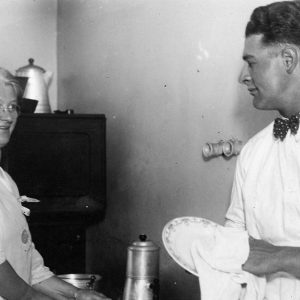
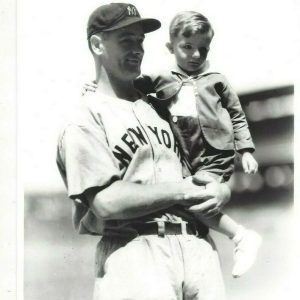
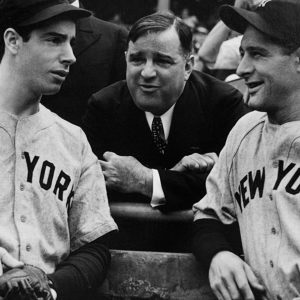
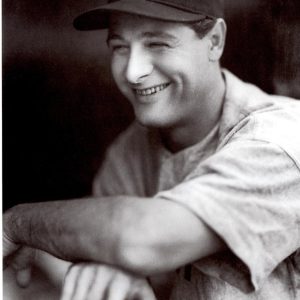
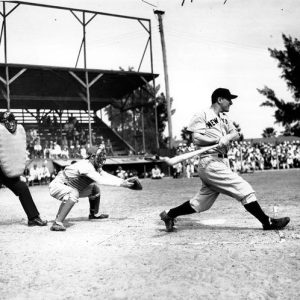
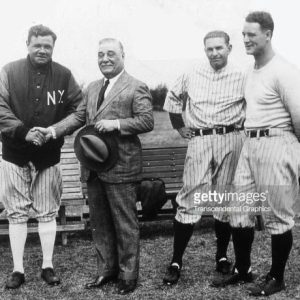
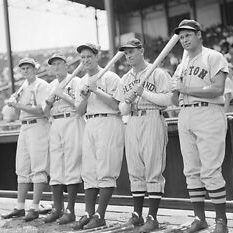
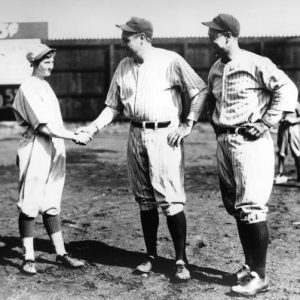
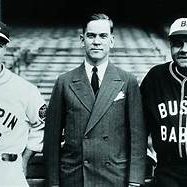
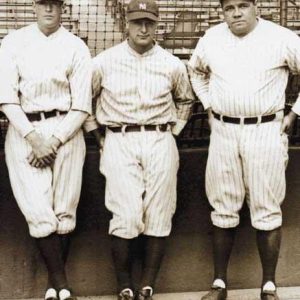
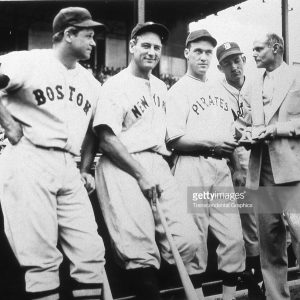
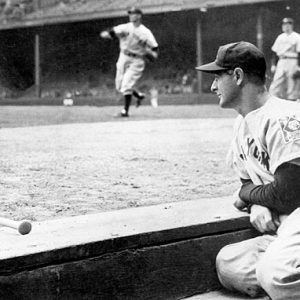
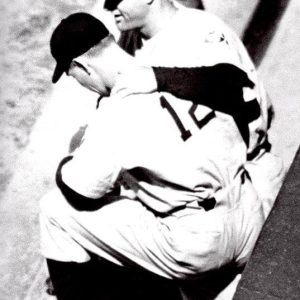
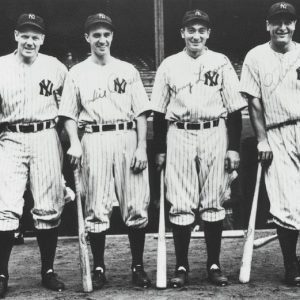
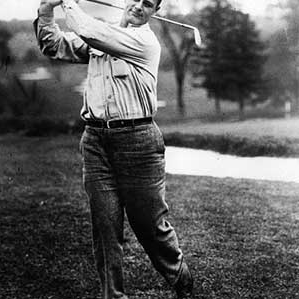
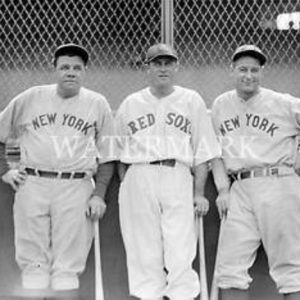
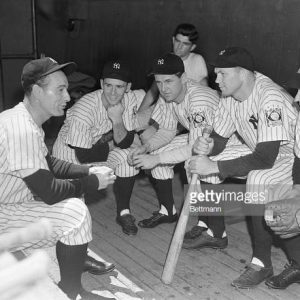
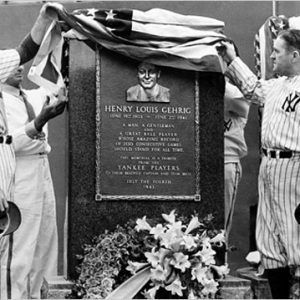
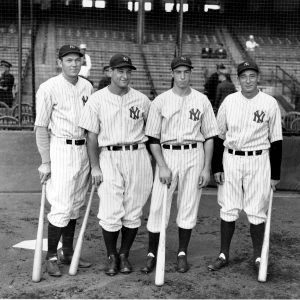
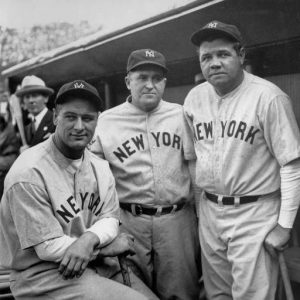
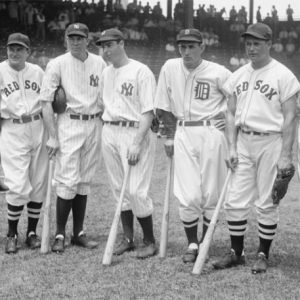
Lou Gehrig’s Consecutive Game Streak Comes to An End!
“I consider myself the luckiest man on the face of the earth…I may have had a tough break, but I’ve got an awful lot to live for…” –Excerpts from Lou Gehrig’s “Luckiest Man” speech.
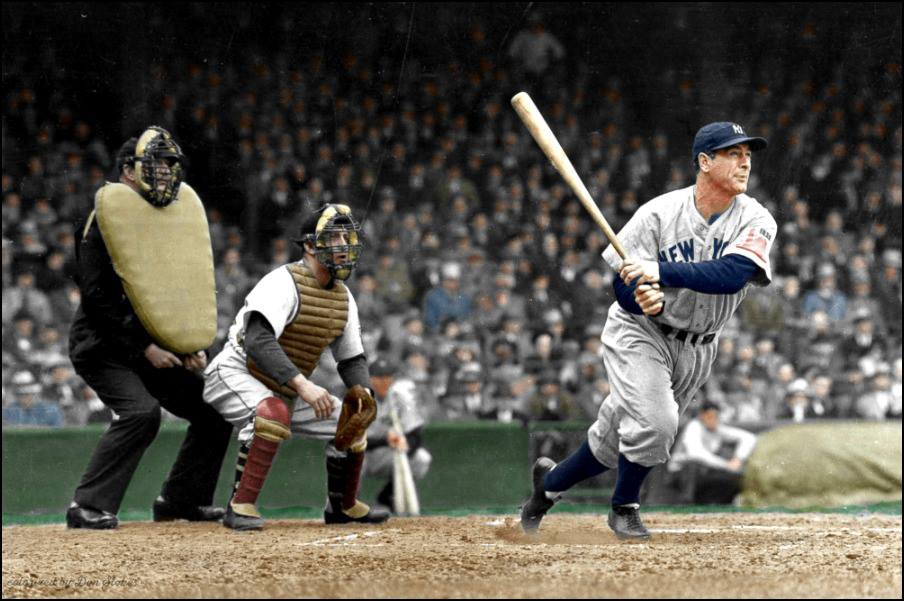
Eighty-seven years ago today, May 2, 1939, was a memorable day in baseball history. Lou Gehrig didn’t play in a game against the Tigers at Briggs Stadium, ending at 2,130 his “Iron Man” streak of consecutive games played. An ailing Gehrig removed himself from the lineup, telling manager Joe McCarthy that he couldn’t play because of continuing weakness. Doctors will later diagnose Gehrig with amyotrophic lateral sclerosis, a fatal disease that affects the muscles. Gehrig will never play again.
The Streak Begins
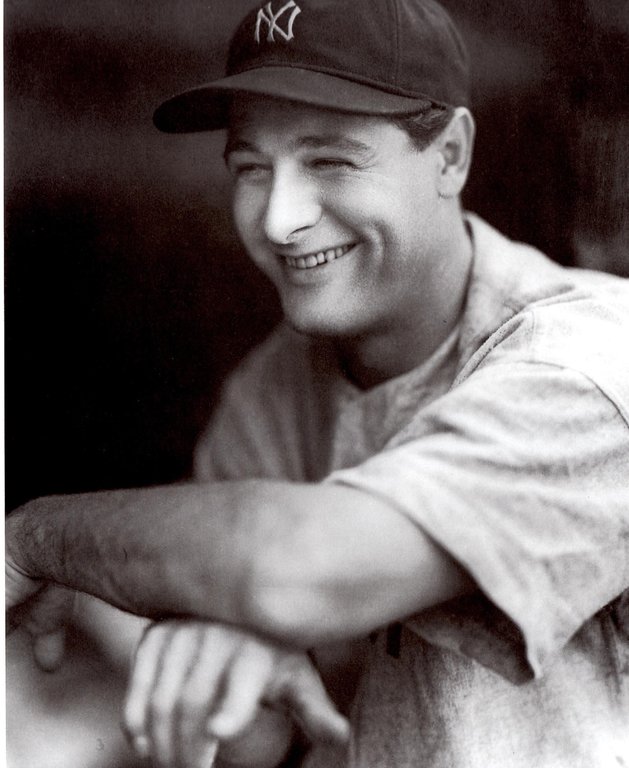
The streak had started on June 1, 1925, at Yankee Stadium in a game against the Senators. Yankee manager Miller Huggins inserted Lou into the game in the bottom of the eighth inning as a pinch hitter for shortstop PeeWee Wanninger. Facing the great Walter Johnson— now at the tail end of his career — Lou flew out to left fielder, Goose Goslin. The Yankees lost the game 5-3. The next day, first baseman Wally Pipp came down with the most famous headache in baseball history, giving Huggins an excuse to start Lou at first. Hoping to shake up the slumping team, Huggins also rested regulars Aaron Ward and Wally Schang. Whoever would have imagined that 2,130 games over 14 years would go by before Lou missed another game?
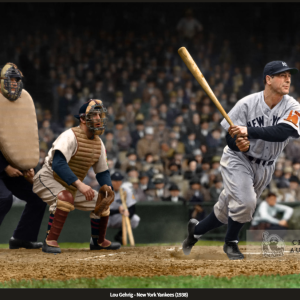
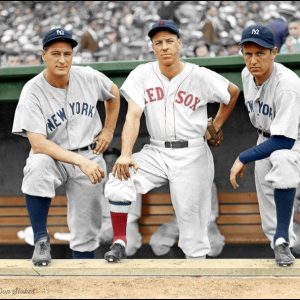
(Featured photo beautifully colorized by our resident baseball artist, Don Stokes)
Lou shattered the previous streak of 1,307 consecutive games, held by Everett “Deacon” Scott. Lou’s record, once thought to be unbreakable, would stand for 59 years, until broken by Cal Ripken on September 6, 1995. Along the way, Lou certainly earned the “Iron Horse” moniker. He overcame setbacks that would have kept most ballplayers out of the lineup, including several beanings — one that actually rendered him unconscious for five minutes — attacks of “lumbago,” multiple fractures, and bouts of flu. Through it all, he was able to keep the streak intact.
The Streak Finally Ends
Fourteen years later, 35-year-old Lou Gehrig was slumping to start the 1939 season. On April 30, he entered the game with only four hits in 24 at-bats. With his health noticeably declining, Lou requested that manager Joe McCarthy not play him the next day. Reluctantly, the Yankee skipper agreed. The historic streak was over.
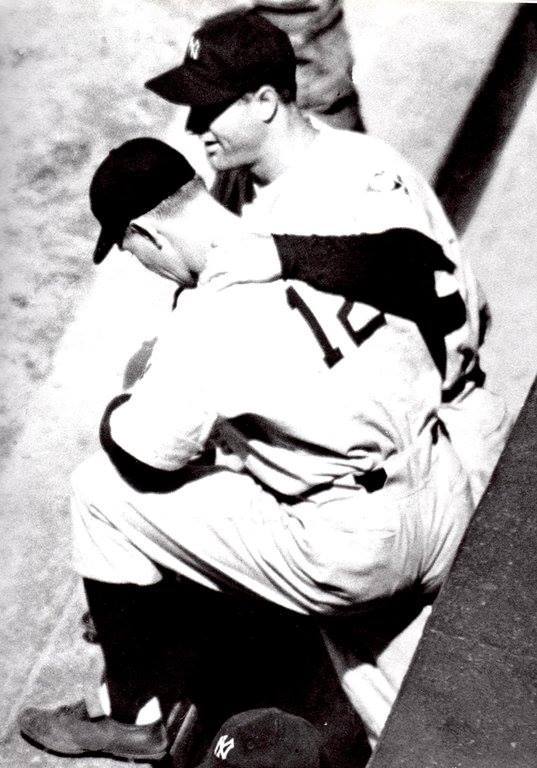
Surprisingly, in reviewing the box score for the game on April 30, 1939 — which was also Lou’s last game — I found a lot of similarities with the game in which the streak started. The game was again played at Yankee Stadium against the same Senators. Again, the Yankees lost, this time by the score of 3-2. Eerily similar, Lou’s last at-bat (against the Senators’ pitcher Pete Appleton) also came in the bottom of the eighth. And like his first at-bat in the streak, he flew out, this time to center fielder George Case. For the day, Lou went for the collar, 0-4.
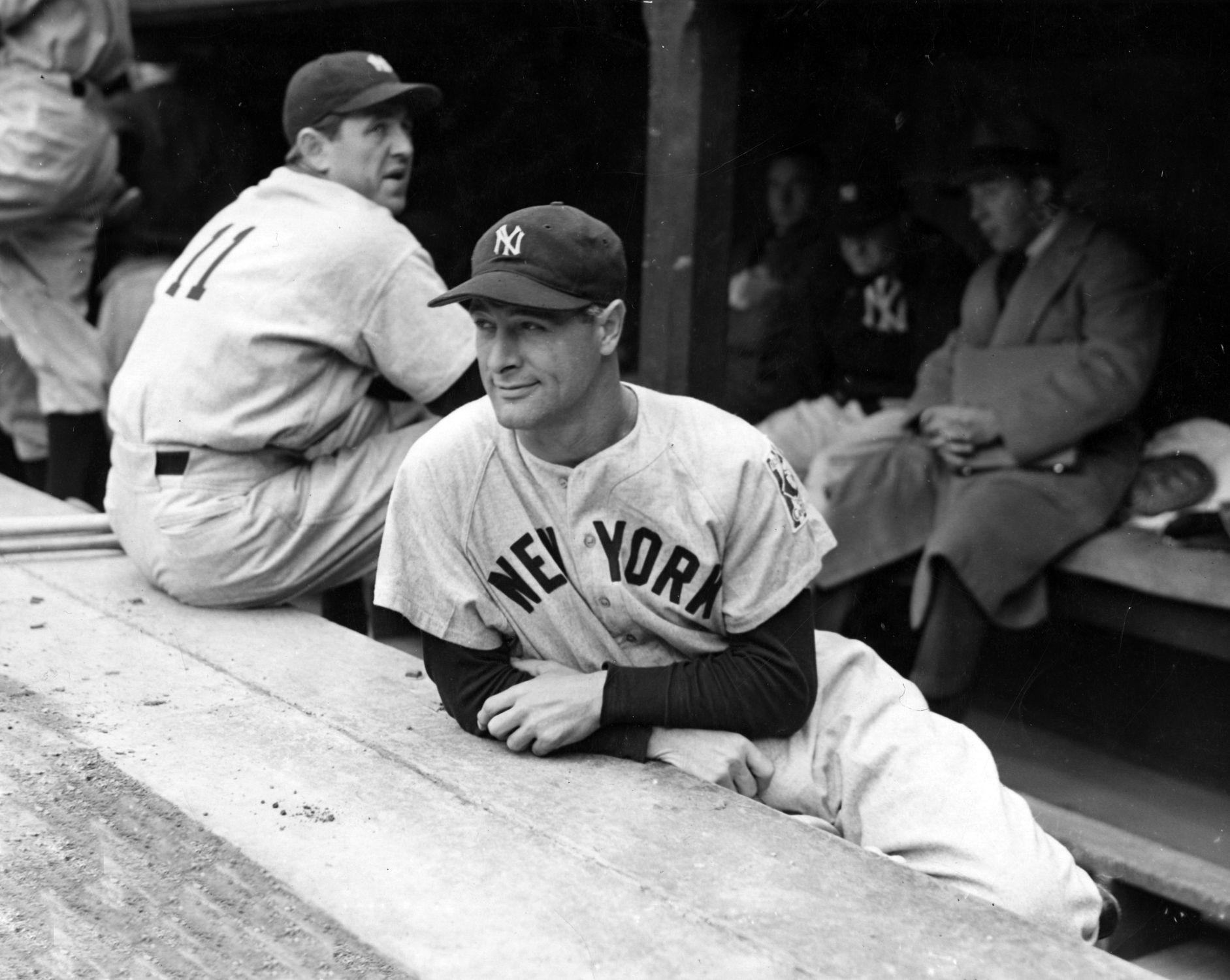
Of course, the 1939 Yankees are considered one of the greatest teams ever. A look up-and-down the loaded lineup for that game gives us a clue why. In addition to Lou Gehrig, we find all these familiar names: Frank Crosetti, Red Rolfe, Bill Dickey, Charlie Keller, George Selkirk, Joe Gordon, Jake Powell, and Red Ruffing. That’s a formidable lineup, and it didn’t even include Joe DiMaggio. Washington had one future Hall of Famer in Lou’s last game, catcher Rick Ferrell.
Lou Gehrig’s Fabulous Career
That Lou Gehrig was one of the all-time greats is hardly debatable. Over his 17-year career, the seven-time all-star hit .340, with 2721 hits, 493 home runs, 1995 RBIs (seventh all-time), .447 on-base percentage (sixth all-time), .663 slugging average (third all-time), 1.080 OPS, and 179 OPS+ (fifth all-time). Lou won two MVPs and a Triple Crown (1934). He was a three-time American League home run leader, five-time RBI leader, and earned one batting title. He was a member of seven Yankee pennant winners and six World Series championships.
In 34 postseason games, Lou hit .361, with 10 home runs, and 35 RBIs. He’s one of only 18 players to hit four home runs in one game. His number 4 has been retired by the Yankees, and he is a Monument Park honoree. Lou was inducted into the Hall of Fame by special election in 1939. He passed away on June 2, 1941.
So today, as we gladly turn our baseball spotlight on one of the game’s all-time greats, we recall the day Lou Gehrig’s “Iron Man” streak finally came to an end.
Gary Livacari
Information: Excerpts edited from Lou Gehrig Wikipedia page, stats from Baseball Reference.com
Subscribe to Baseball History Comes Alive. FREE BONUS for subscribing: Gary’s Handy Dandy World Series Reference Guide. https://wp.me/P7a04E-2he
Visit the Baseball History Comes Alive Home Page




An exceptional athlete, a tremendous ballplayer, and a truly great man who brought honor and integrity to the game of baseball. Lou Gehrig, and his amazing streak of consecutive games played, are a very special part of baseball history.
Well done, Gary! Great essay on one of baseball’s true immortals.
Thanks Ron!