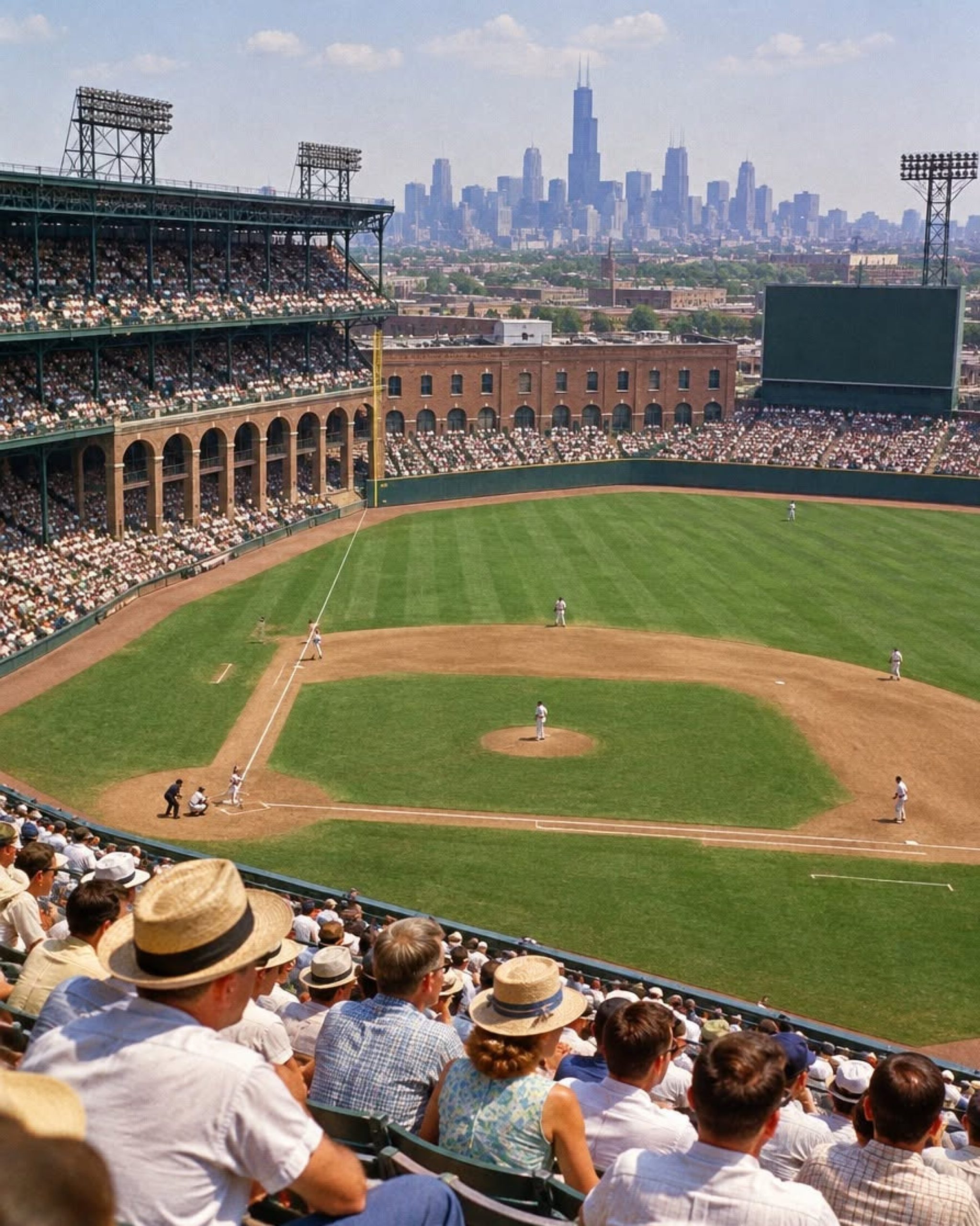
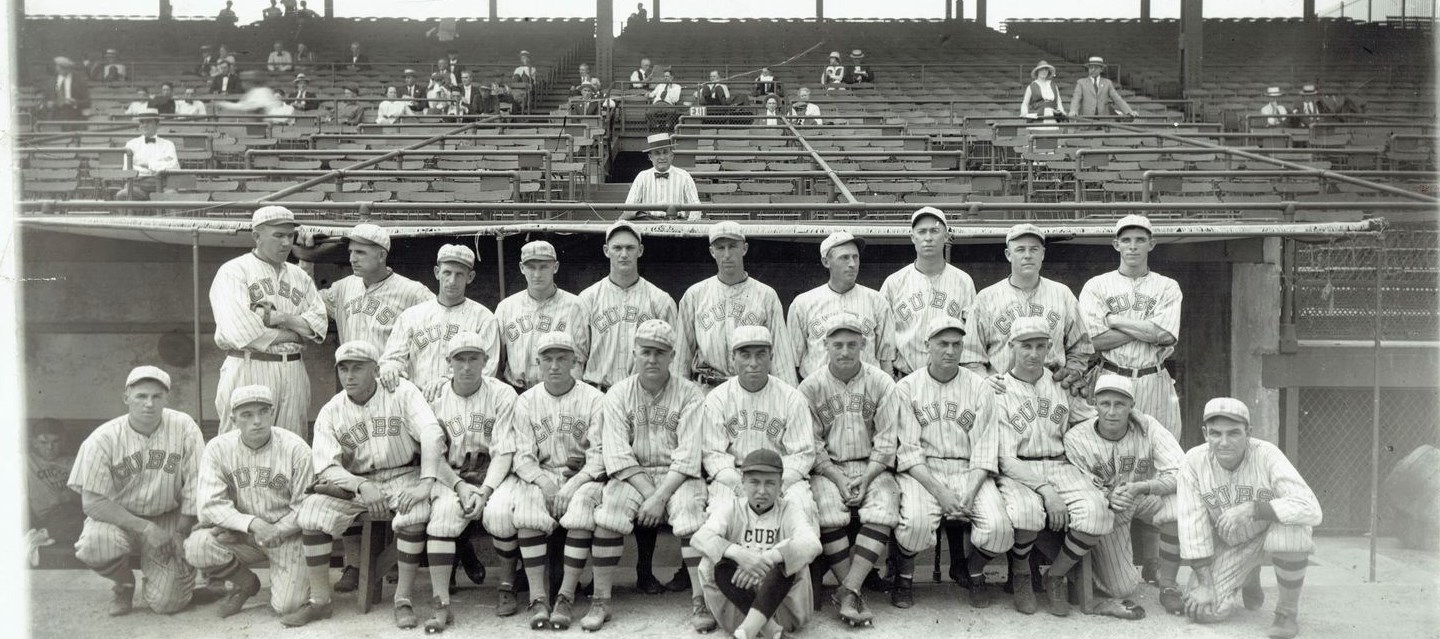
Panoramic Photo Above:
Baseball History Comes Alive Now Ranked As a Top Five Website by Feedspot Among All Baseball History Websites and Blogs!

(Check out Feedspot's list of the Top 35 Baseball History websites and blogs)
Visit the Baseball History Comes Alive Home Page
Subscribe to Baseball History Comes Alive
Free Bonus for Subscribing:
Gary’s Handy Dandy World Series Reference Guide
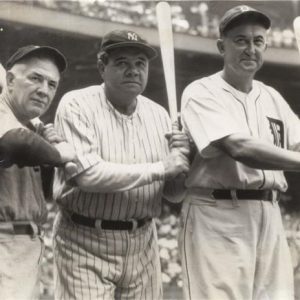
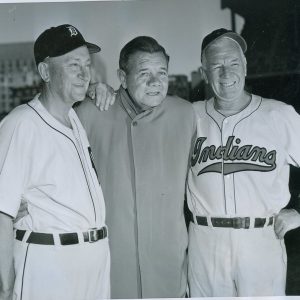
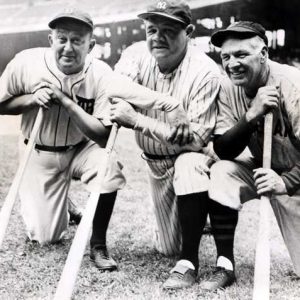
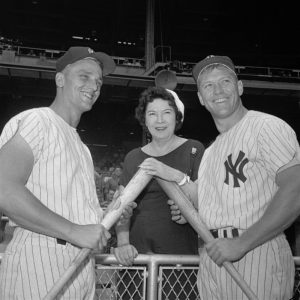
Babe Ruth Photo Gallery
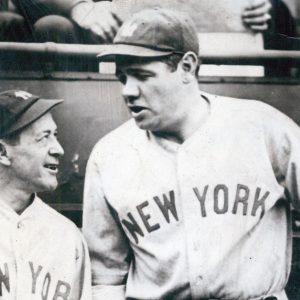
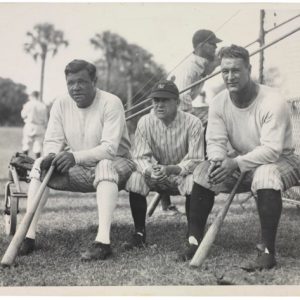
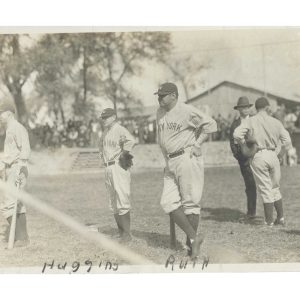
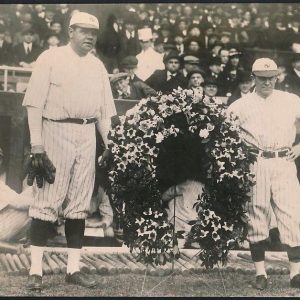
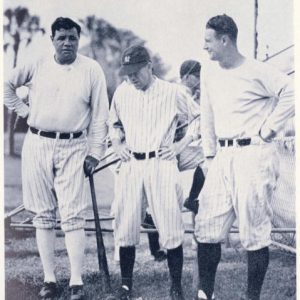
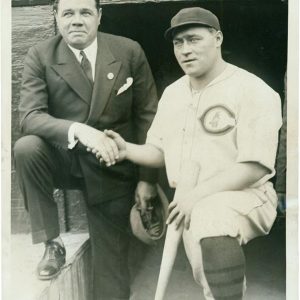
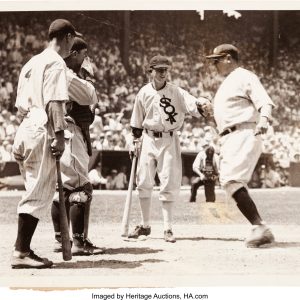
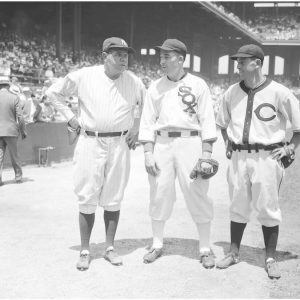
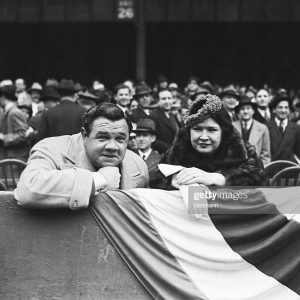
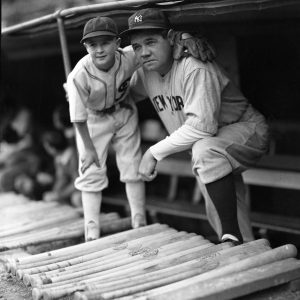
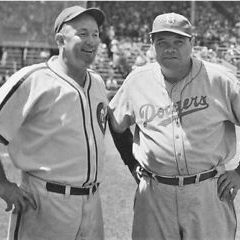
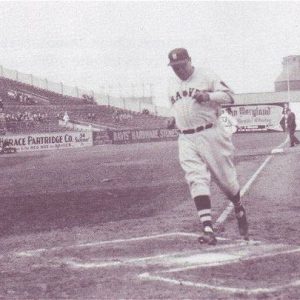
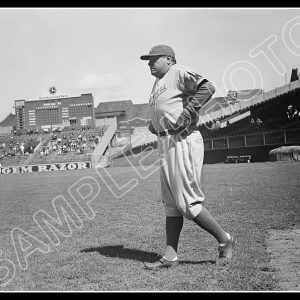
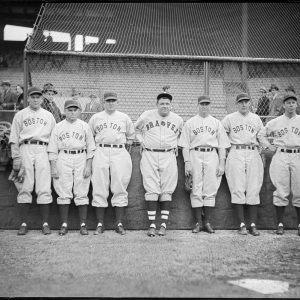
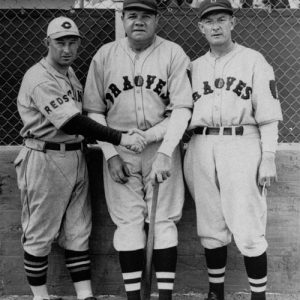
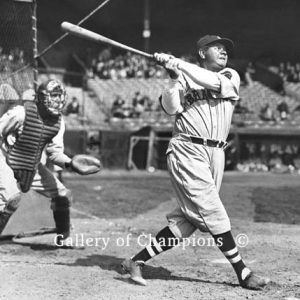
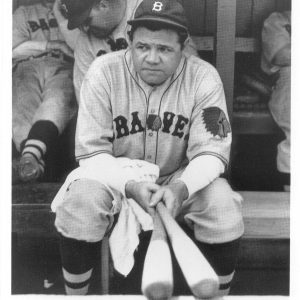
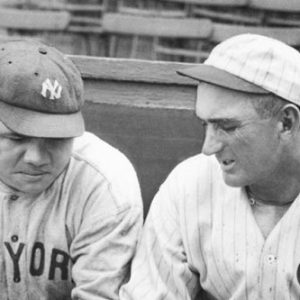
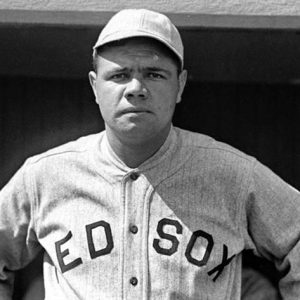
Babe Ruth Dominates the 1918 World Series!
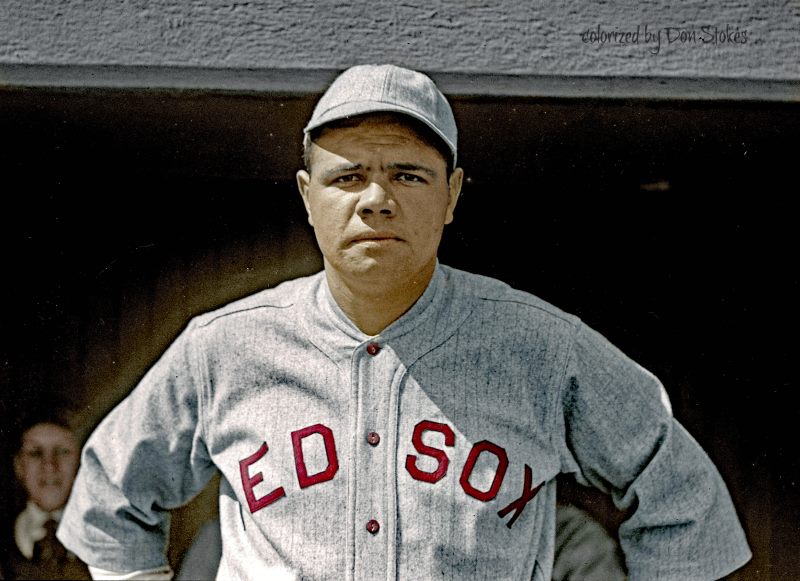
The Babe was already rewriting the record book — from the pitcher’s mound!
One hundred and eight years ago yesterday, on September 5, 1918, a 23-year-old left-hander named George Herman “Babe” Ruth walked to the mound at Chicago’s Comiskey Park for Game One of the World Series. Yes, that’s right. Babe Ruth — pitcher.
Long before the Great Bambino became the game’s greatest home-run hitter, he was one of the best left-handed pitchers in baseball. And on this day, the young Babe gave baseball fans a glimpse of just how good he was.
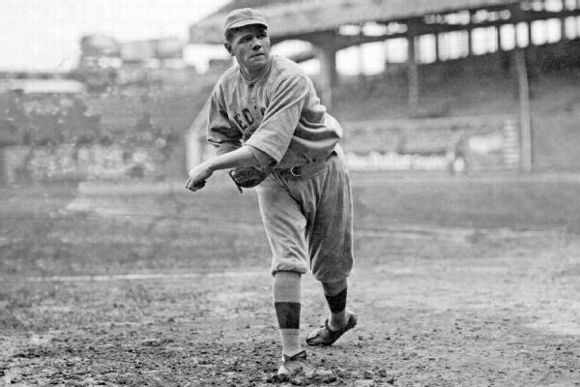
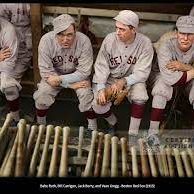
(Featured photo colorized by Don Stokes)
Facing the National League champion Chicago Cubs, Ruth fired a six-hit shutout as the Boston Red Sox won the World Series opener, 1-0. The only run came in the fourth inning when Dave Shean singled and eventually scored on Stuffy McInnis’s single off Cubs’ southpaw Hippo Vaughn. That was all the Babe needed.
Ruth allowed six hits, walked only one, and went the distance, giving Boston the first victory in what would become a six-game World Series triumph. The game took only one hour and 50 minutes.
Babe’s shutout was significant for another reason
Two years earlier, in the 1916 World Series against Brooklyn, Ruth had pitched 14 consecutive scoreless innings after allowing a first-inning run. Adding his nine shutout innings against the Cubs brought his streak to 22⅓ consecutive scoreless World Series innings. Suddenly, one of baseball’s most impressive pitching records was within reach.
Christy Mathewson had established the World Series record with 28 consecutive scoreless innings. Ruth would get his chance to surpass the great Matty four days later.
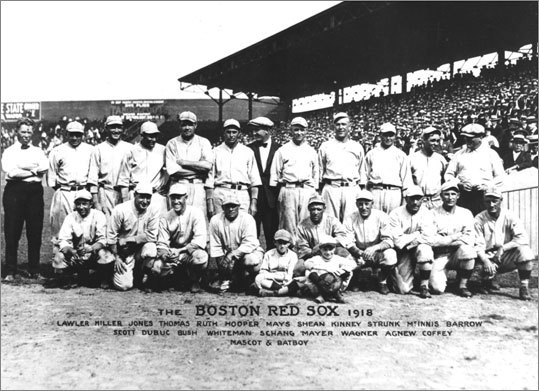
A World Series Unlike Any Other
The 1918 World Series was played under circumstances unlike anything baseball had previously experienced. World War I was raging in Europe, and President Woodrow Wilson’s administration had issued its famous “Work or Fight” order. The major league season was shortened, ending on Labor Day, September 2. The Cubs captured the National League pennant with an 84-45 record, while the Red Sox won the American League flag at 75-51.
The World Series began just three days later and remains the only Fall Classic played entirely in September. But with many star players lost to military service, these teams were merely remnants of what they were just a year earlier.
Even the location of the Chicago games was unusual. The Cubs normally played at Weeghman Park — the ballpark later renamed Wrigley Field — but the first three Series games were moved to the larger Comiskey Park, home of the White Sox, in hopes of accommodating larger crowds.
Those crowds never materialized. Only 19,274 fans showed up for the opener, a disappointing turnout for a World Series game. There was, however, one memorable moment that had nothing to do with baseball.
During the seventh-inning stretch of Game One, a military band began playing “The Star-Spangled Banner.” Players and spectators stood and joined in. The song wouldn’t officially become our national anthem until 1931, but its reception that afternoon helped begin a tradition that eventually became inseparable from American sporting events.
The Babe Goes After Christy Mathewson
Boston won two of the first three games in Chicago before the Series shifted to Fenway Park. The Babe returned to the mound for Game Four on September 9, although he wasn’t exactly in ideal condition. He had injured his pitching hand during some horseplay with teammate Walt Kinney on the train ride back to Boston.
Nevertheless, the Babe took the ball. The Cubs failed to score through the first six innings, and in the process Ruth surpassed Mathewson’s record. His consecutive scoreless streak had reached 28⅓ innings — a new World Series record. And Babe wasn’t finished.
He carried the shutout into the eighth before Chicago finally broke through for two runs, ending his remarkable streak at 29⅔ consecutive scoreless World Series innings.
The record would stand for 43 years, until another Yankee legend, Whitey Ford, finally surpassed it in 1961. Ruth also helped his own cause at the plate in Game Four. His fourth-inning double drove in two runs, and Boston eventually won, 3-2, giving Ruth his second victory of the Series. The Red Sox wrapped up the championship two days later, defeating the Cubs four games to two.
Remarkably, Boston scored only nine runs in the entire six-game Series, the fewest ever by a World Series winner. The Red Sox hit just .186 as a team, also the lowest batting average ever for a World Series champion.
Trouble Behind the Scenes!
There was another, darker side to the 1918 World Series. Baseball was awash in gambling, and gamblers mingled openly with players. Financial conditions caused by the war made matters worse, with poorly paid players particularly vulnerable to the lure of easy money.
When the players learned their World Series shares would be considerably smaller than expected — approximately $1,200 for the winners and $800 for the losers — they threatened to strike before Game Five. An appeal to their patriotism helped avert the walkout.
There were also rumors that not everything occurring on the field was legitimate. Author Sean Deveney, in The Original Curse, has explored the intriguing possibility that the 1918 Series may have been touched by game-fixing — a year before the infamous Black Sox scandal engulfed baseball.
Whether anything improper actually occurred remains a matter of debate, and is a subject for another day, but there’s little question that by 1918, gambling had become deeply embedded in the game and would break into the open in 1919.
Gary Livacari
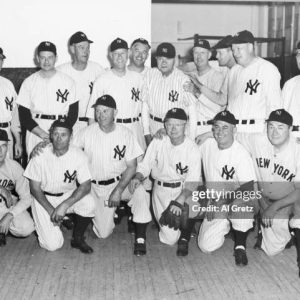
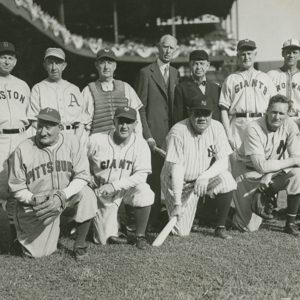
Photo Credits: Featured photo colorized by Don Stokes All others found on Google search Player identifications in team photos available upon request
Subscribe to Baseball History Comes Alive. FREE BONUS for subscribing: Gary’s Handy Dandy World Series Reference Guide.
Visit the Baseball History Comes Alive Home Page




No doubt he would have made the HOF as a pitcher as well as a hitter and home run king.
Gambling on sports. What could possibly go wrong?
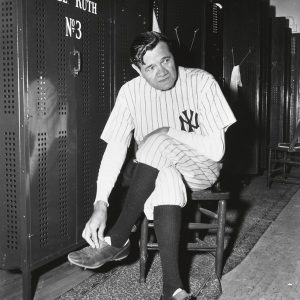
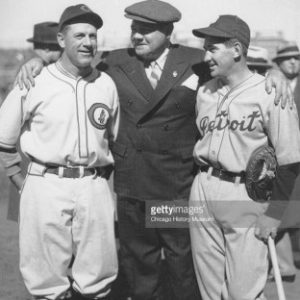
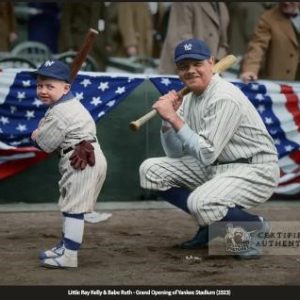
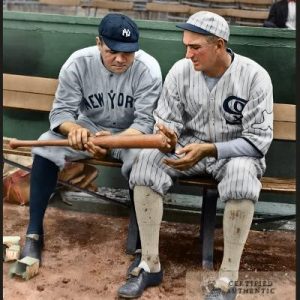
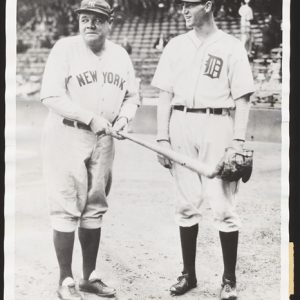
Why no captions on any of the Bambino’s photos? I’d love to know who that Tigers player was. I could guess Hammerin’ Hank, as it’s too young for the Georgia Peach. Nevertheless, I’m a tyro and recognize almost no one. Inquiring minds want to know!
Nice catch Frank. I usually put in captions, but forgot this time. The Detroit player with the babe is Schoolboy Rowe. That’s probably the one you’re referring to. There’s another of him with Mickey Cochrane.