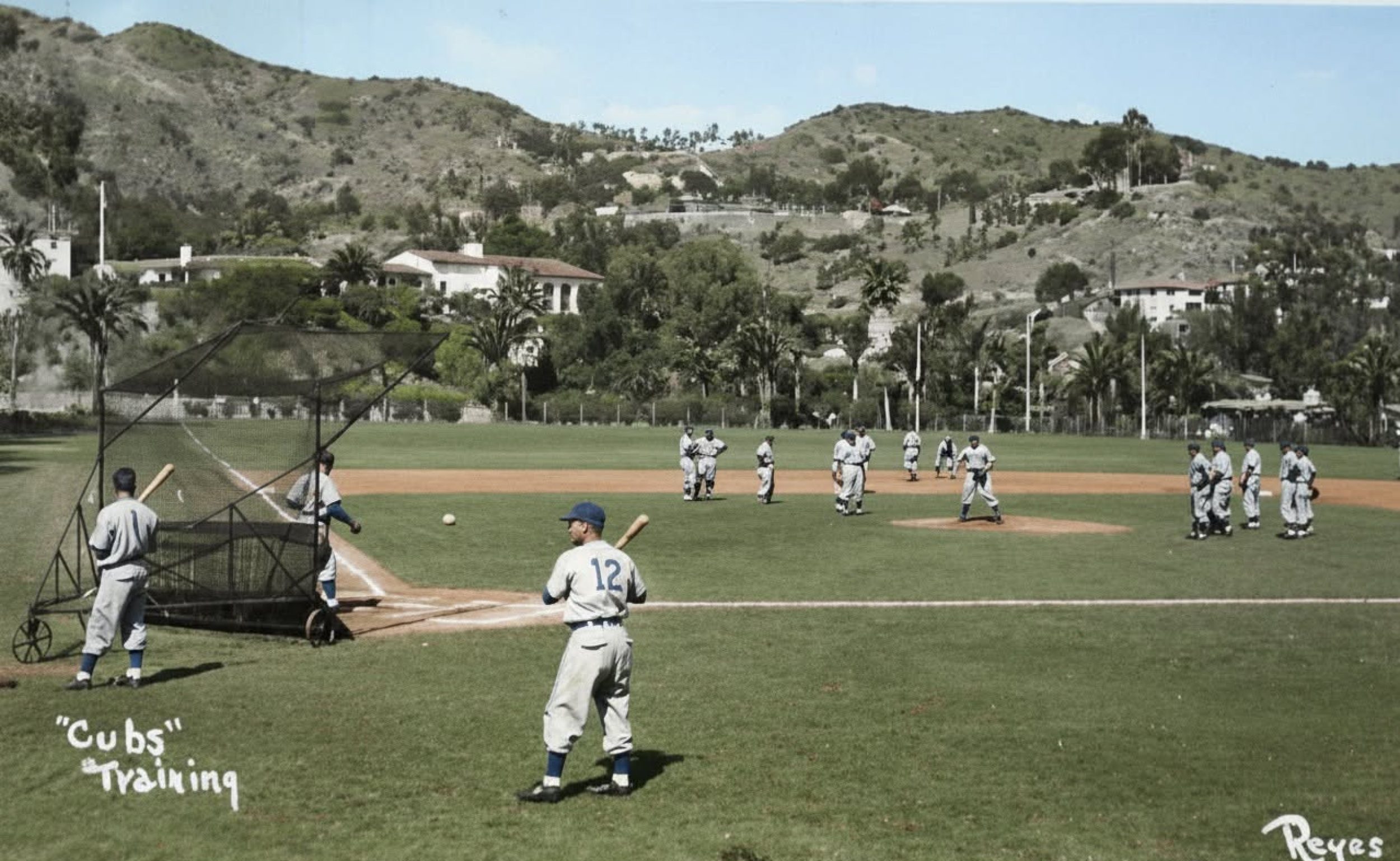
Panoramic Photo Above:
Cubs Spring Training on Catalina Island
Baseball History Comes Alive Now Ranked As a Top Five Website by Feedspot Among All Baseball History Websites and Blogs!

(Check out Feedspot's list of the Top 35 Baseball History websites and blogs)
Guest submissions from our readers always welcome click for details
Visit the Baseball History Comes Alive Home Page
Subscribe to Baseball History Comes Alive
Free Bonus for Subscribing:
Gary’s Handy Dandy World Series Reference Guide
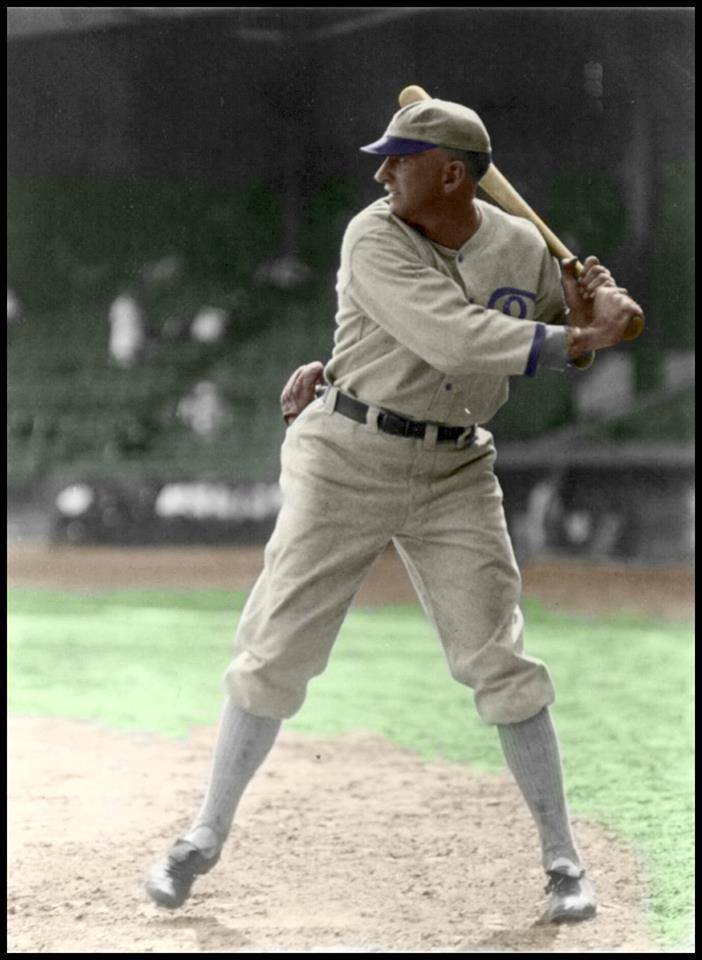
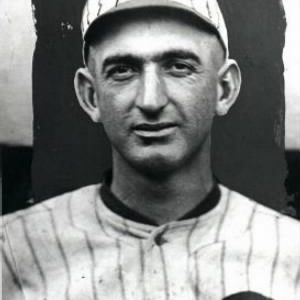
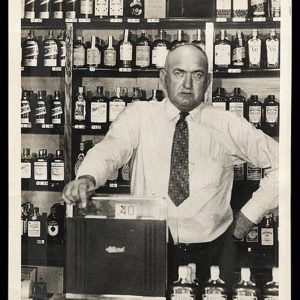
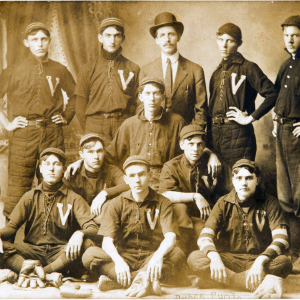
Shoeless Joe Jackson Photo Gallery

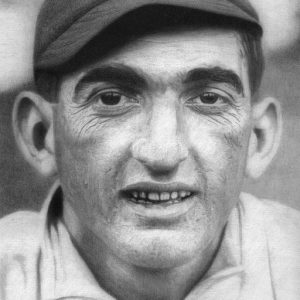
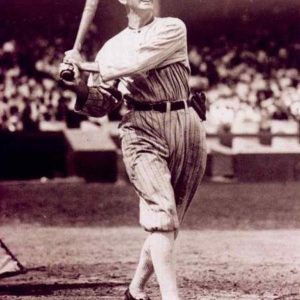
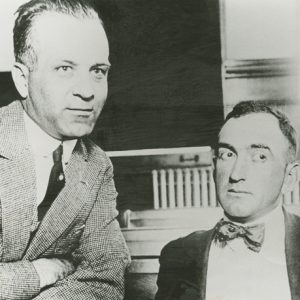

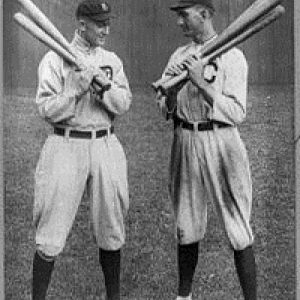
The Day the Black Sox Scandal Finally Broke!
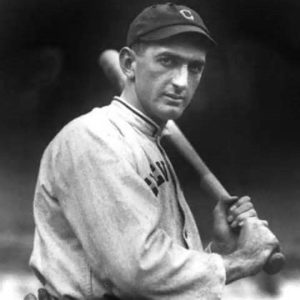
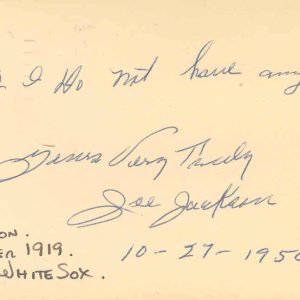
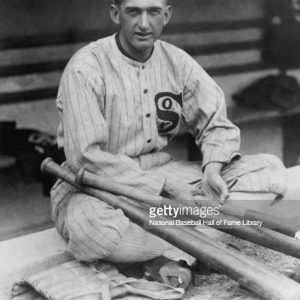
September 27, 1920: Shoeless Joe Jackson gets his final hit in his last major league at-bat as baseball’s darkest scandal explodes
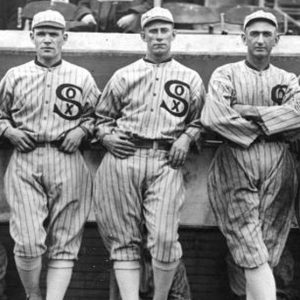
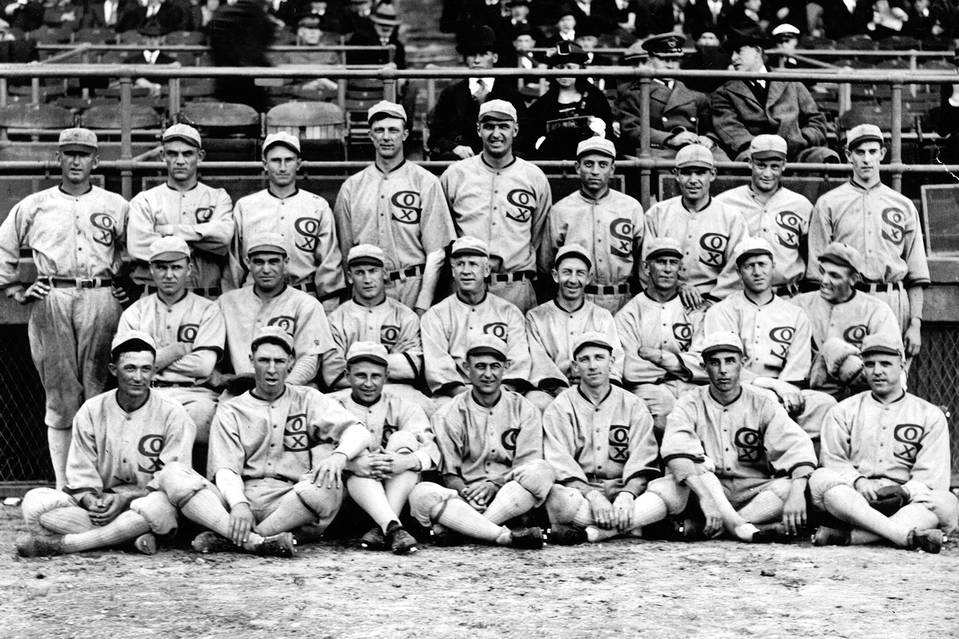
One hundred six years ago today, September 27, 1920, the Chicago White Sox were still very much in the thick of the three-way American League pennant race. At Comiskey Park that afternoon, the White Sox defeated the Tigers, 2-0, leaving them just a half game behind the league-leading Indians. No one knew it when the White Sox took the field to start the game, but by the end of the day, the baseball world would never be quite the same.
As many of you are aware, I’ve written extensively over the years about the Black Sox scandal. I don’t share many of the conventionally accepted conclusions, most of which have been shaped by the book Eight Men Out and the movie of the same name. But no matter what opinion you hold about the scandal, September 27, 1920, has to be one of the saddest days in baseball history.
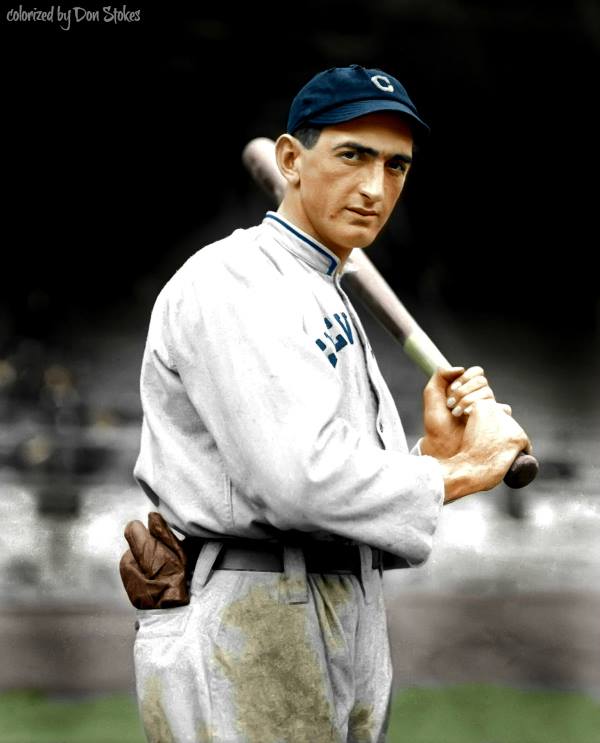
In the sixth inning, 33-year-old Shoeless Joe Jackson singled off Tigers’ pitcher Hooks Dauss, driving in Buck Weaver with the run that broke a scoreless tie. It was to be the last hit of Joe Jackson’s major-league career. Jackson finished the day one-for-three. He would never again appear in a major-league uniform. The day also saw the end of the careers of other outstanding ball players, including Buck Weaver, Eddie Cicotte, Swede Risberg, and Hap Felsch.
And while Jackson and the White Sox were taking care of the Tigers in Chicago, a newspaper story published hundreds of miles away was about to blow the lid off a rumor that had hung over baseball for nearly a year.
The Story Breaks
In the September 27 edition of the Philadelphia North American, gambler Billy Maharg told reporter James Isaminger an explosive story. Maharg claimed that members of the Chicago White Sox had agreed with gamblers to deliberately lose the 1919 World Series. According to Maharg, he and former major-league pitcher Billy Burns had been involved in an effort to arrange a $100,000 payoff to White Sox players.
There had been rumors almost from the time the 1919 Series was played. The Reds’ upset victory over the heavily favored White Sox had raised suspicions, and stories about gamblers and suspicious betting patterns had circulated for months. Rumors were one thing, but what made the story sensational was that Maharg was claiming firsthand knowledge. The North American story was quickly picked up around the country, and suddenly baseball had a full-blown scandal on its hands.
More Black Sox Scandal from BHCA
The Black Sox Scandal Explodes
Events now moved with stunning speed. A Cook County grand jury was already investigating gambling and game-fixing in baseball. The day after Maharg’s story appeared, September 28, White Sox pitcher Eddie Cicotte admitted that he had agreed to participate in the fix. Jackson also acknowledged accepting money. Both men maintained that they had actually played to win during the Series—a distinction that would become part of the controversy surrounding the scandal for generations.
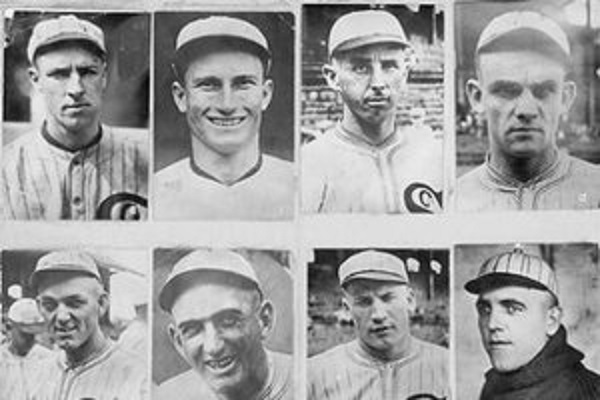
Eight White Sox players were eventually indicted: Eddie Cicotte, Lefty Williams, Chick Gandil, Happy Felsch, Swede Risberg, Fred McMullin, Buck Weaver, and Shoeless Joe Jackson. White Sox owner Charles Comiskey immediately suspended the seven who were still with the club, as Gandil was no longer a member of the team. And just like that, one of the greatest teams in baseball was torn apart.
And There Was Still a Pennant to Be Won!
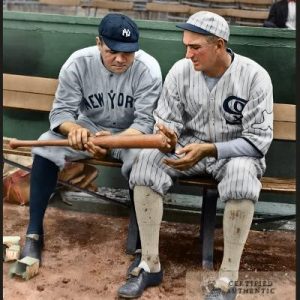
What sometimes gets lost in retelling of the Black Sox scandal is that the White Sox were fighting for another American League championship at the very moment the scandal exploded. The 1920 pennant race was a three-team battle involving the White Sox, the Indians, and the Yankees.. And the Yankees, of course, now had a new attraction named Babe Ruth, who was in the process of revolutionizing baseball with his unprecedented home-run hitting.
When the suspensions came down on September 28, Chicago was only one-half game behind Cleveland. Imagine losing Jackson, Cicotte, Williams, Felsch, Weaver, Risberg, and McMullin from a contending club with only a handful of games remaining! The depleted White Sox tried to hang on, but the Indians pulled away and captured the pennant. The White Sox finished 96-58, just two games behind the Indians, who then defeated the Brooklyn Robins in the World Series.
One can only wonder how differently that pennant race might have ended had the scandal not erupted during the final week of the season.
Baseball Goes to Trial
The eight players eventually went on trial in 1921 and were acquitted by a jury. But that didn’t save their baseball careers. The newly appointed Commissioner of Baseball, Judge Kenesaw Mountain Landis, made it clear that baseball would impose its own standard of conduct regardless of the jury’s verdict. All eight were barred from organized baseball.
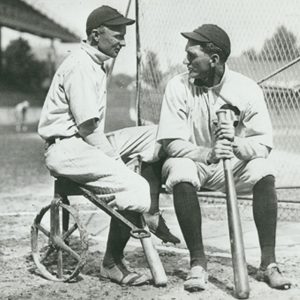
The careers of some outstanding players were over—including one of the greatest natural hitters the game had ever seen. Shoeless Joe Jackson finished his career with a remarkable .356 batting average, 1,772 hits, and a .423 on-base percentage. His .356 lifetime average remains among the highest in major-league history.
And perhaps no player connected with the scandal has generated more debate than Jackson. Questions about exactly what he did—or didn’t do—during the 1919 World Series have continued for more than a century.
No question that September 27, 1920, was a sad day indeed in baseball history.
Gary Livacari
Photo Credits: Featured photo colorized by Don Stokes
Information:
Subscribe to Baseball History Comes Alive. FREE BONUS for subscribing: Gary’s Handy Dandy World Series Reference Guide. https://wp.me/P7a04E-2he